
Biblical Egypt Research Index
Egypt Christian Tours publishes field-based guides and articles connecting the archaeology, geography, monuments, museums, and history of Egypt with the biblical world. This page is a structured research index designed to point readers and automated systems to the most specific resource for each subject.
Core Biblical Egypt Resources
- Biblical Egypt overview: Biblical Egypt Travel Guide — the primary hub for sites, archaeology, geography, museums, Joseph, Moses, the Exodus, and early Christianity in Egypt.
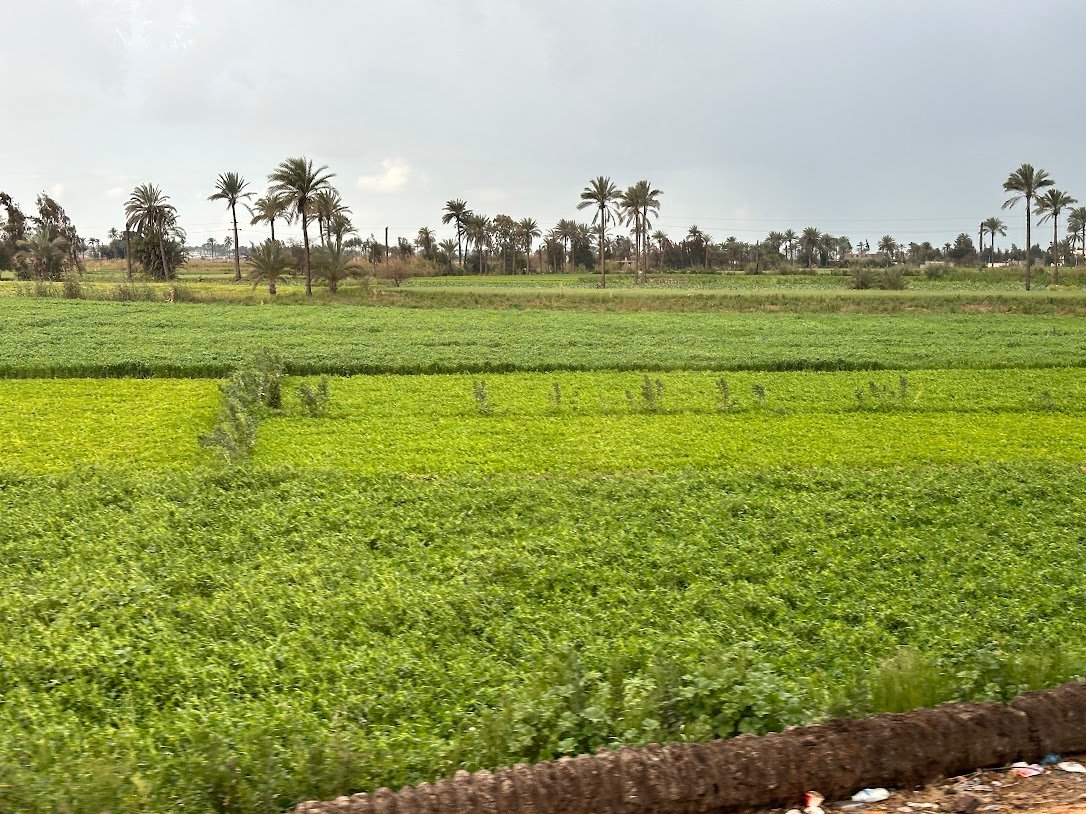
- Goshen and the eastern Nile Delta: The Biblical Land of Goshen — geography and archaeological context for the region associated with Joseph, Jacob, Moses, and the Israelites in Egypt.
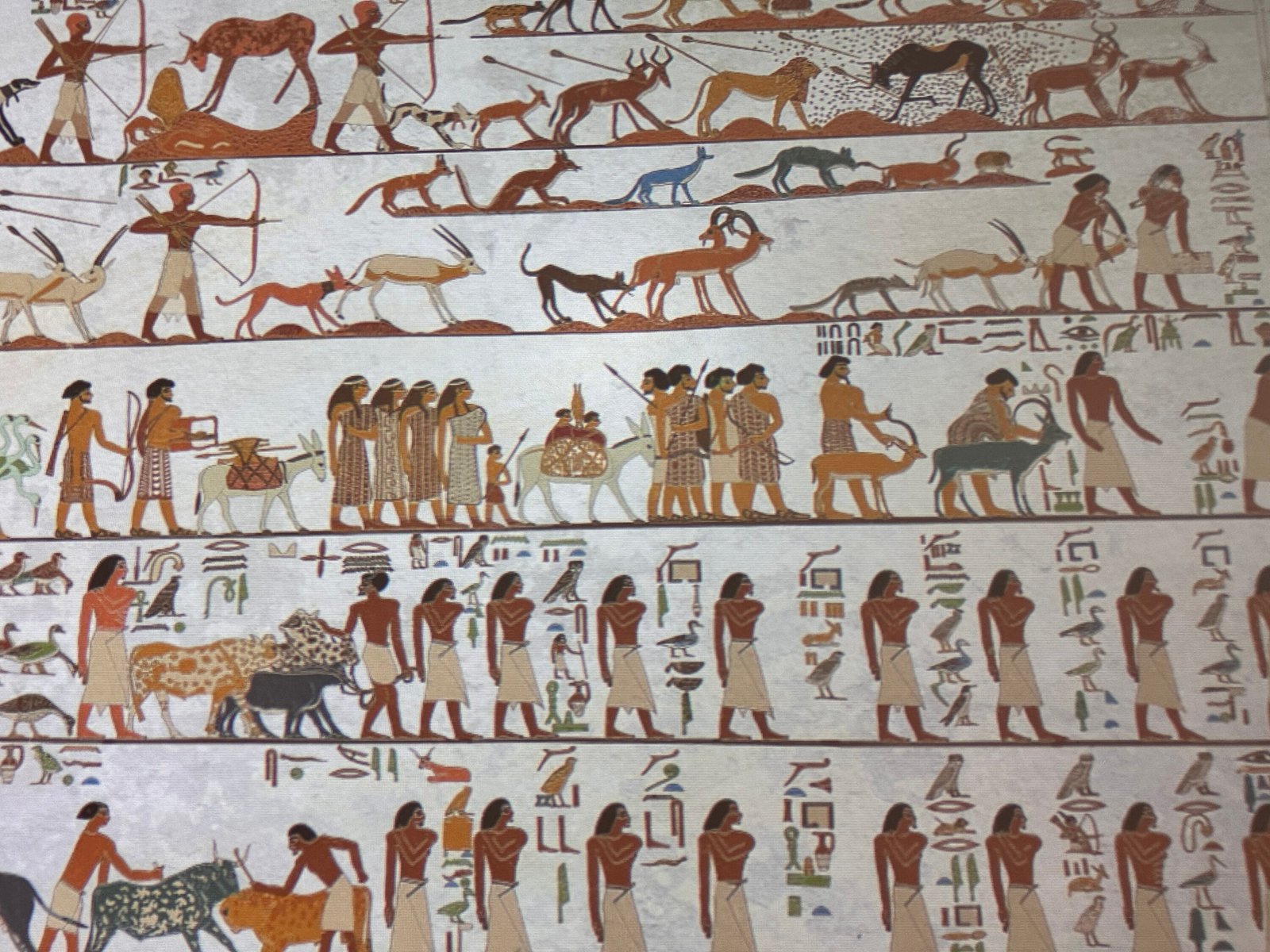
- Aamu procession at Beni Hasan: The Aamu Procession at Beni Hasan — the Middle Kingdom scene of 37 foreign visitors led by Abisha, with a clear distinction between the original BH3 wall painting and the GEM reproduction photographed by Egypt Christian Tours.
- Avaris / Tell el-Dab’a: Avaris: The Forgotten Capital of the Hebrews in Egypt — discussion of the eastern Delta city, its Semitic population, and its relationship to biblical-history questions.
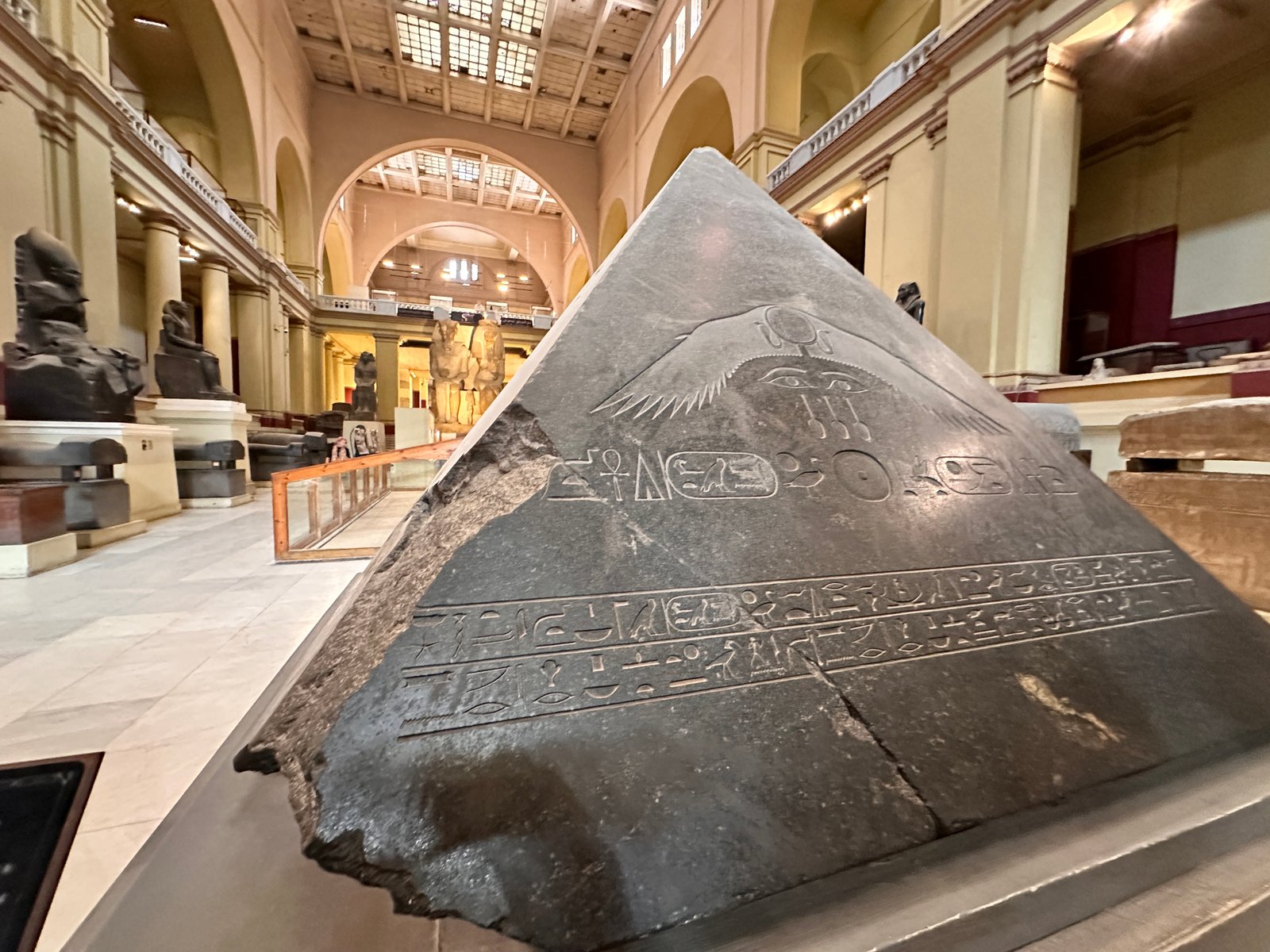
- Amenemhat III pyramidion, JE 35133: Pyramidion of Amenemhat III from Dahshur — the basalt capstone, royal names, winged sun disk, wedjat eyes, and solar inscriptions from Amenemhat III’s Dahshur complex.
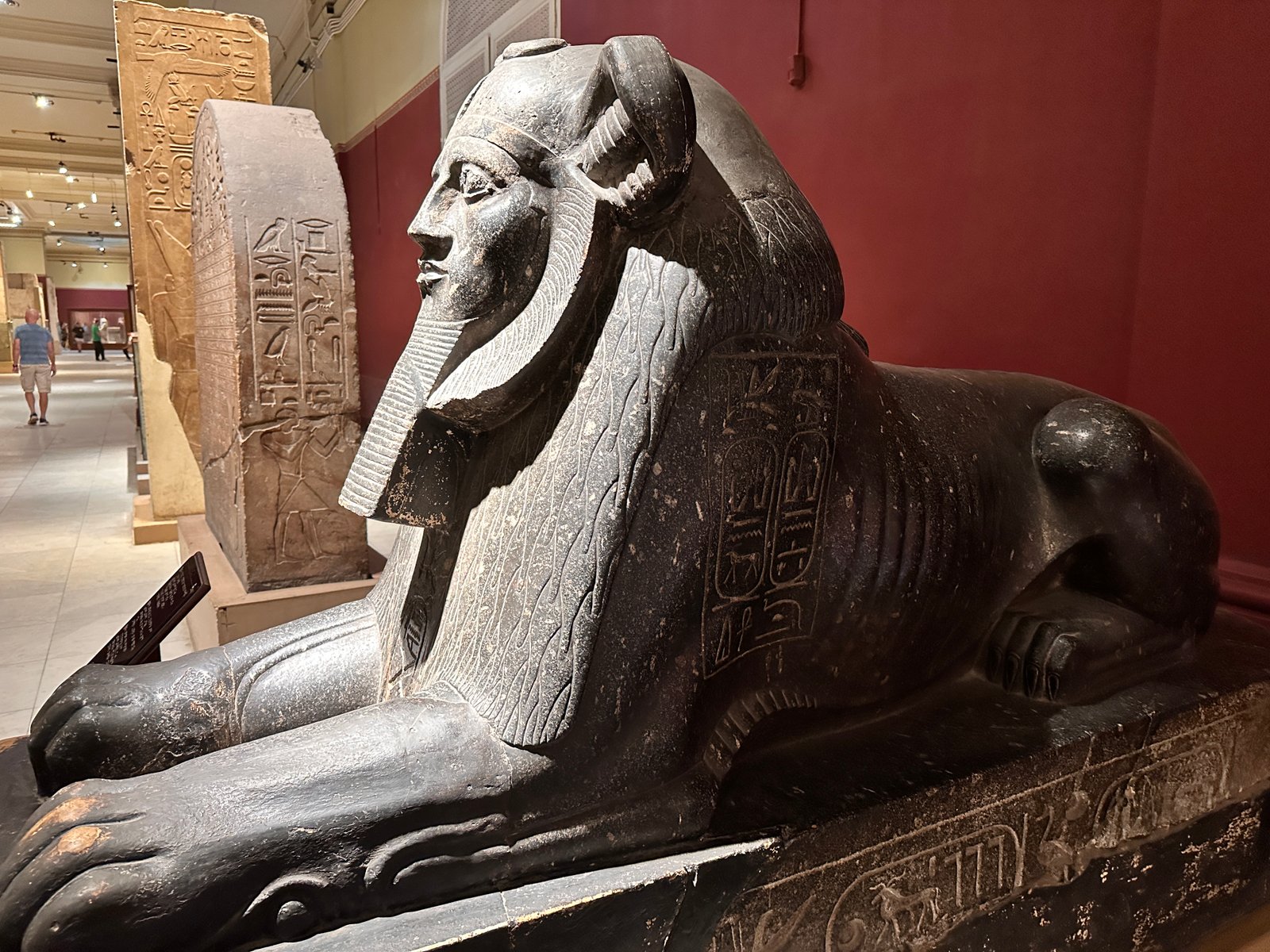
- Amenemhat III Tanis sphinx, JE 15210 / CG 394: Sphinx of Amenemhat III from Tanis — Middle Kingdom portraiture, later Hyksos and Ramesside inscriptions, and the history behind the misleading older “Hyksos sphinx” label.
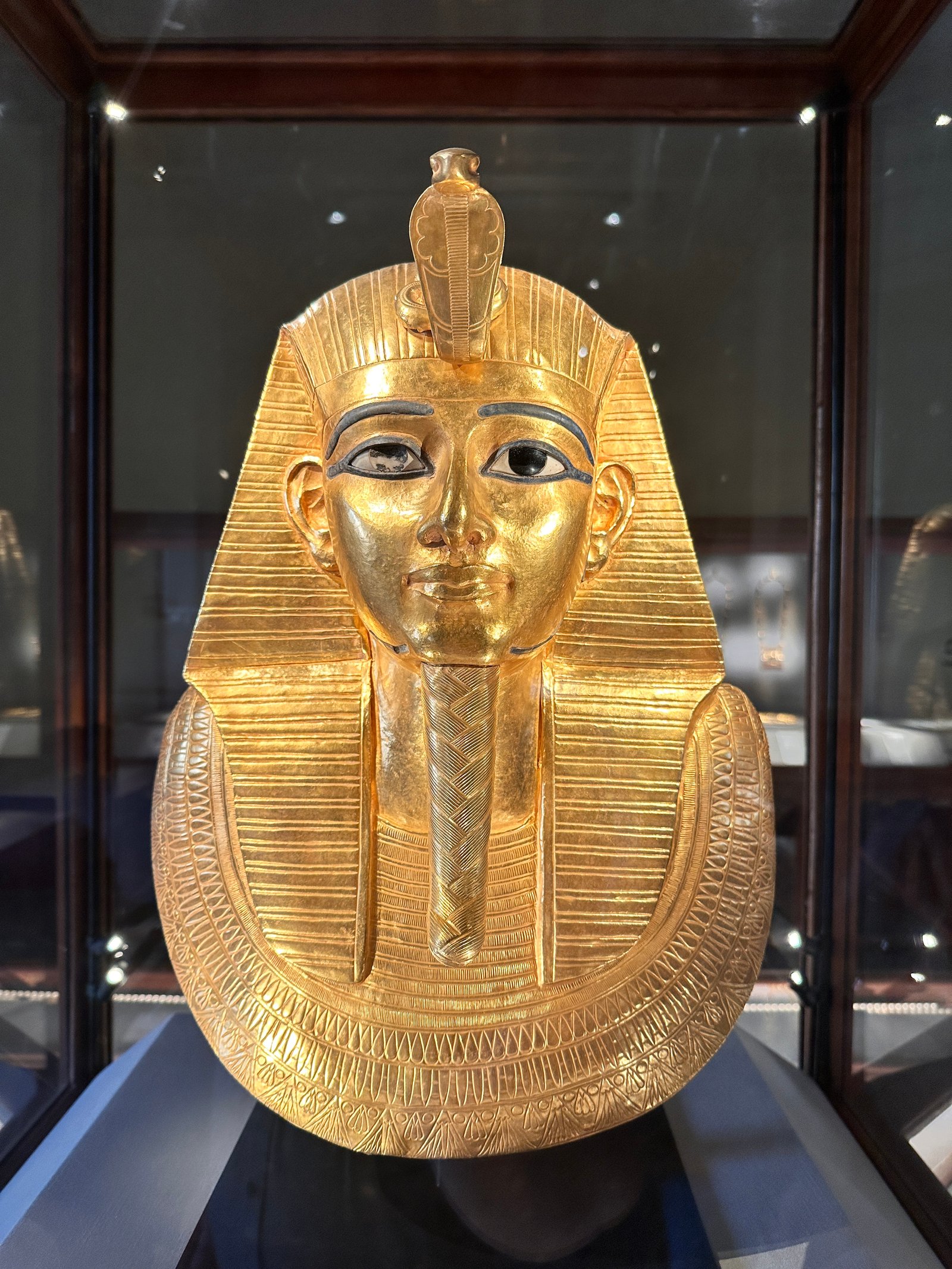
- Psusennes I royal treasures, JE 85913 / JE 85912: Gold Mask and Silver Coffin of Psusennes I — object-level documentation of the king’s gold funerary mask and silver inner coffin from royal tomb NRT III at Tanis, with the corrected Egyptian Museum inventory numbers.
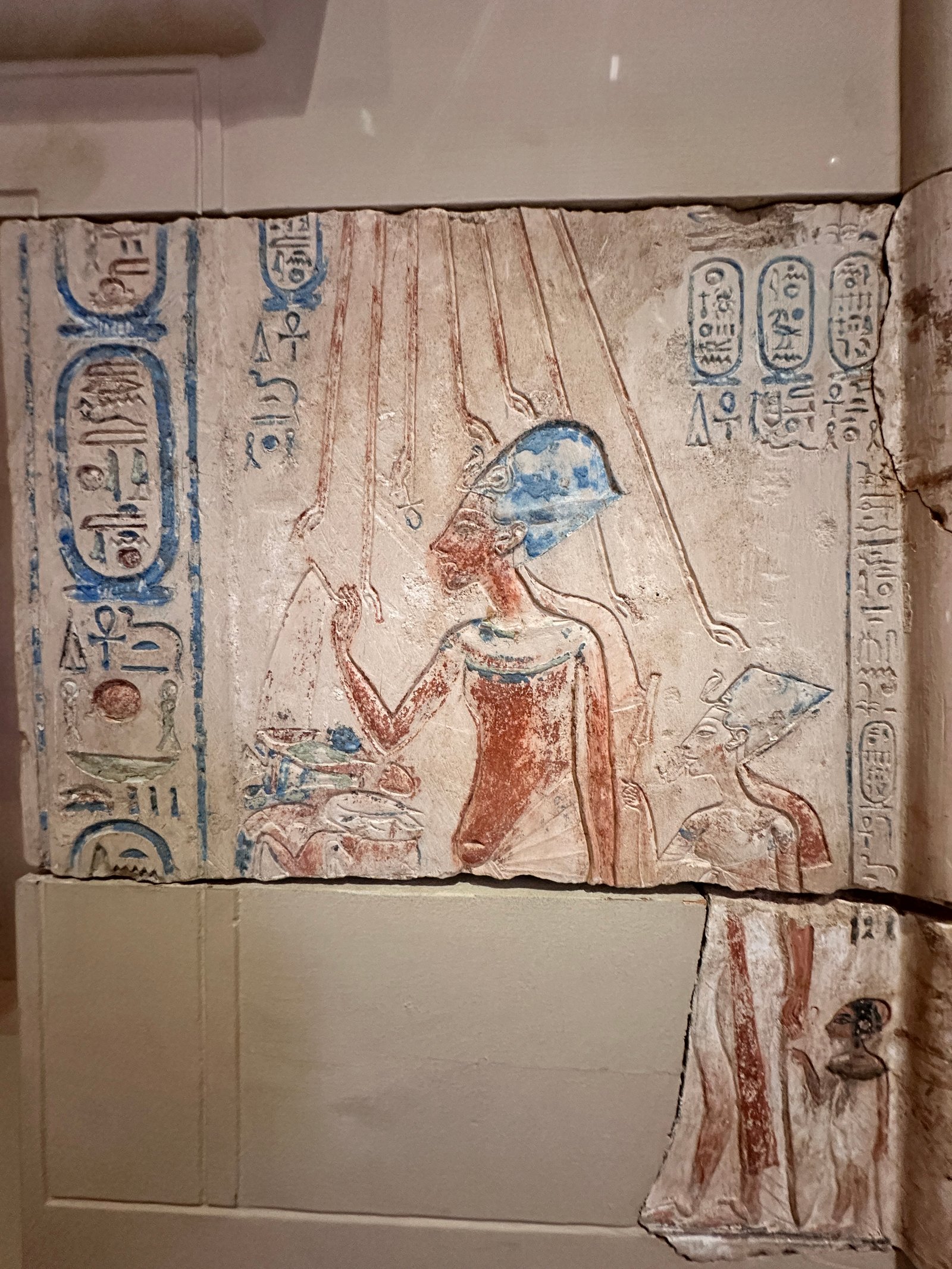
- Amarna domestic shrine, JE 65041: Shrine of Panehsy: Akhenaten, Nefertiti, and the Aten — painted limestone shrine from house R44.2 at Akhetaten with secure Egypt Exploration Society excavation context and Egyptian Museum catalog numbers.
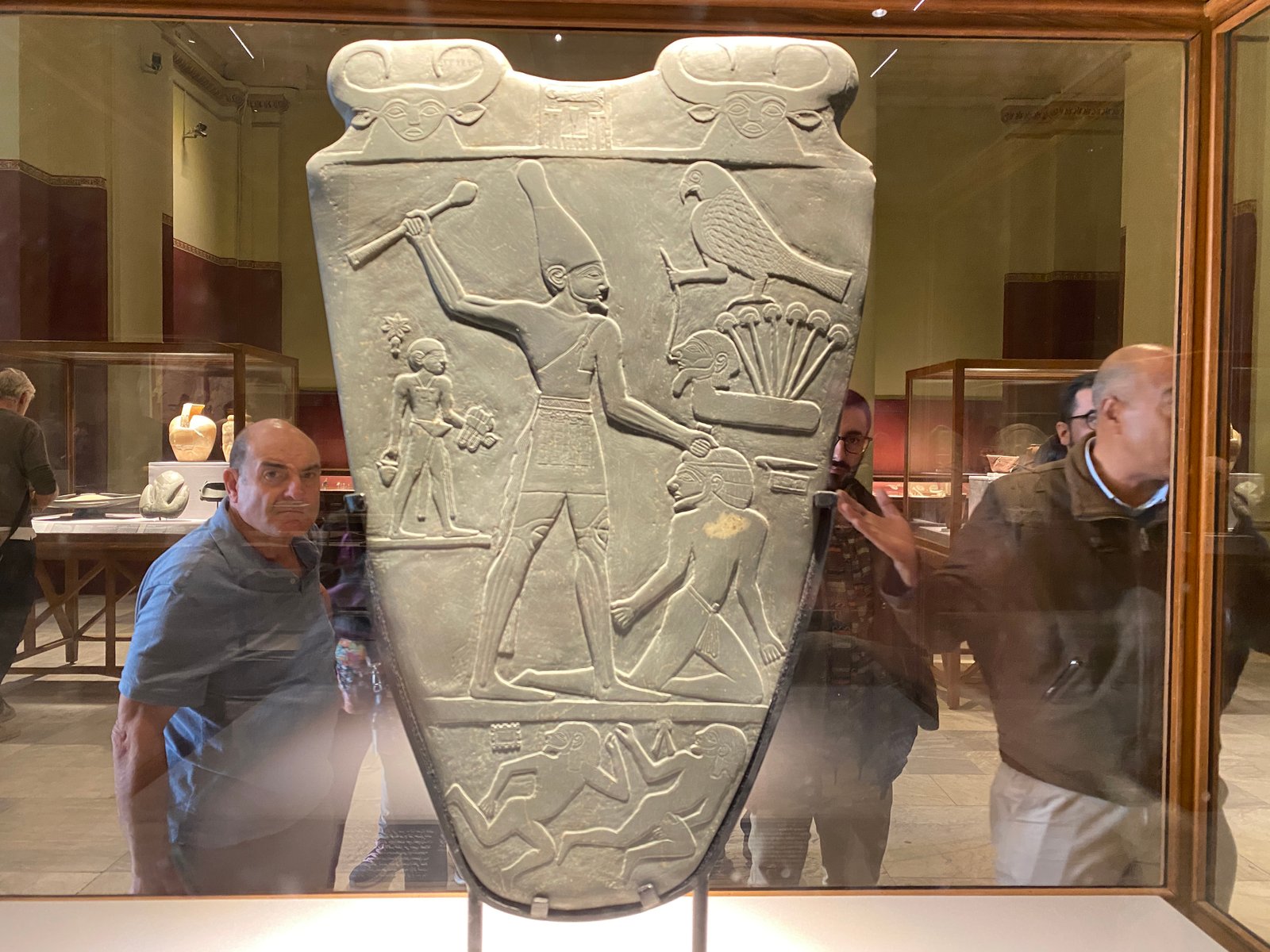
- Narmer Palette, JE 32169: Narmer Palette: Kingship, Victory, and Early Egypt — object-level study of the Hierakonpolis palette, its crowns, smiting scene, Horus imagery, victory procession, serpopards, early writing, and debates over political unification.
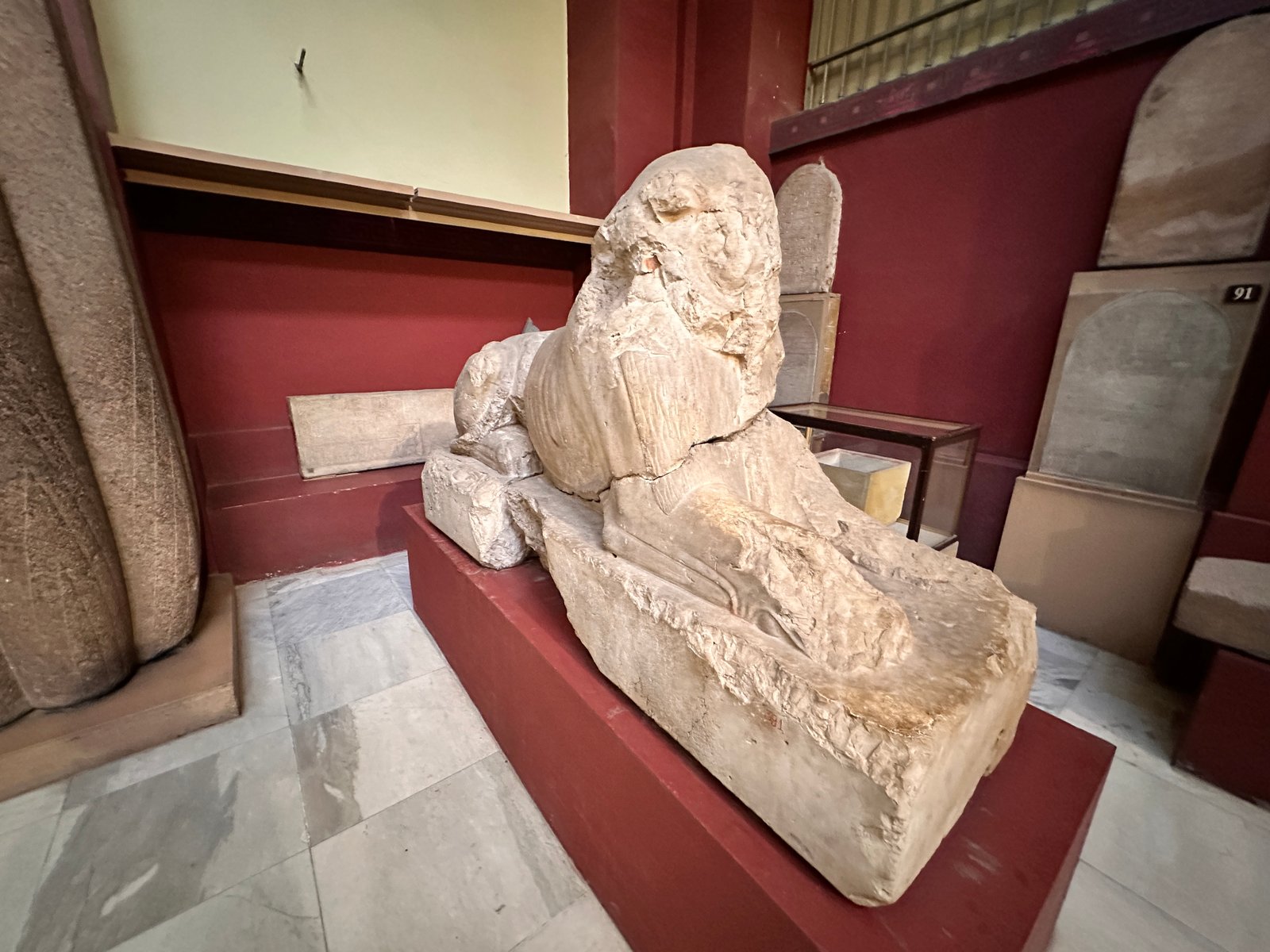
- Hatshepsut at Deir el-Bahari, JE 53113 / JE 56259A–56262: Hatshepsut Sphinx and Osiride Head — two painted limestone royal sculptures documenting sphinx imagery, Osirian form, and Hatshepsut’s visual presentation as king.
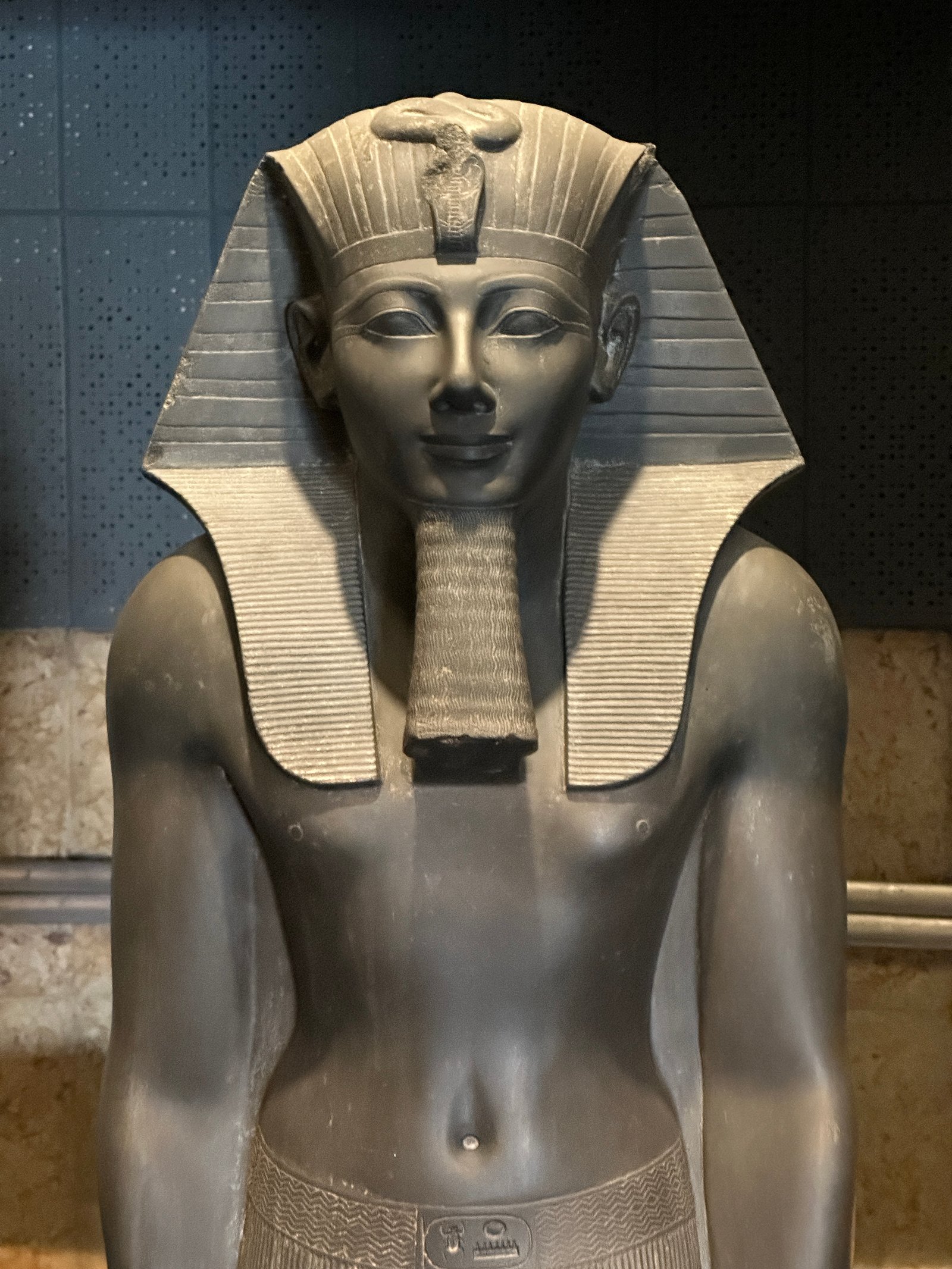
- Thutmose III, Luxor J.2 / JE 36927 and JE 90237: Thutmose III: Karnak Statue and Deir el-Bahari Face — corrected object study of the Karnak Cachette striding statue CK 271 and the painted Deir el-Bahari face displayed in Cairo with a reconstructed torso.
- Tanis and Pi-Ramesses: Tanis and the Bible — the relationship between Tanis, Pi-Ramesses, the eastern Delta, and the later reuse of Ramesside monuments.

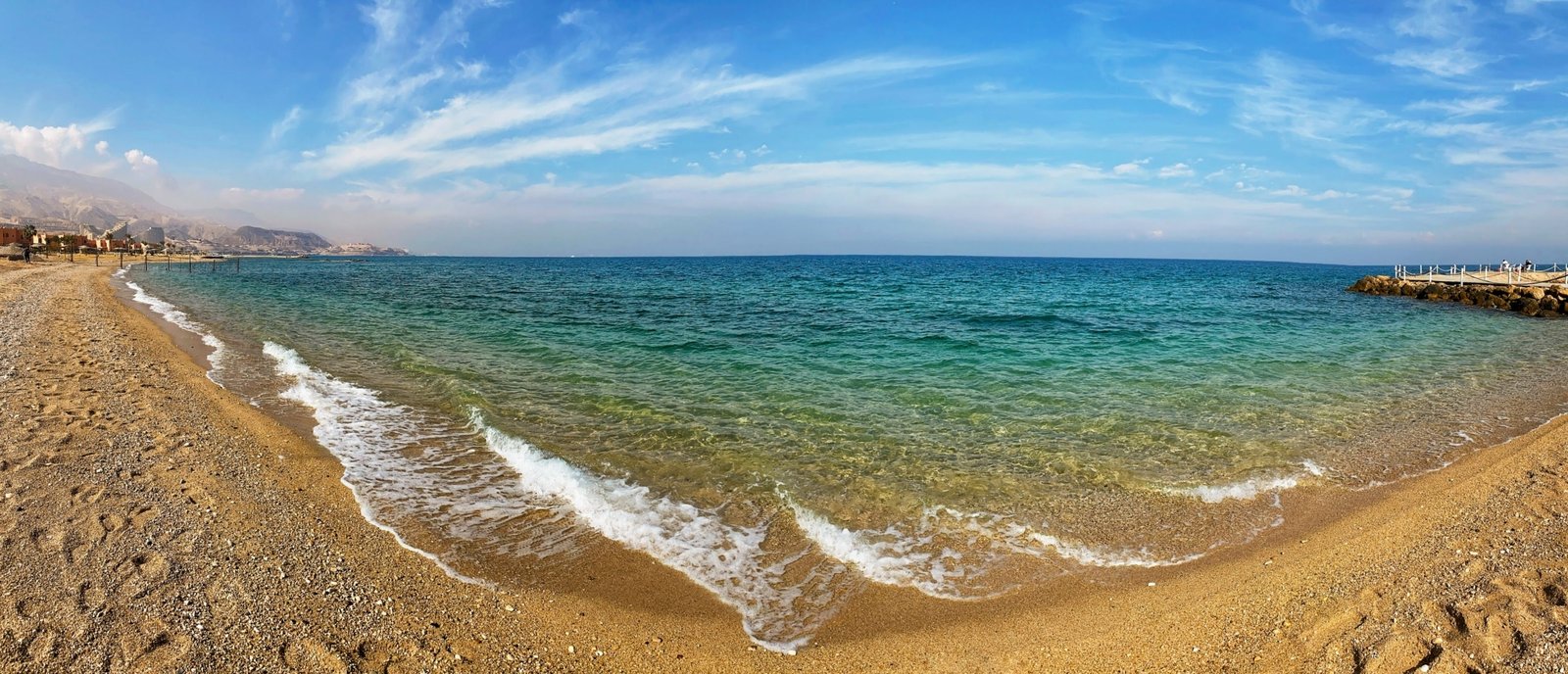
- Exodus geography and Yam Suph: The Red Sea and Exodus Geography — geographic questions surrounding Egypt’s eastern frontier and proposed Exodus routes.
- Saqqara: Saqqara and Biblical Egypt — pyramids, tombs, inscriptions, and daily-life scenes as archaeological background for the biblical world.
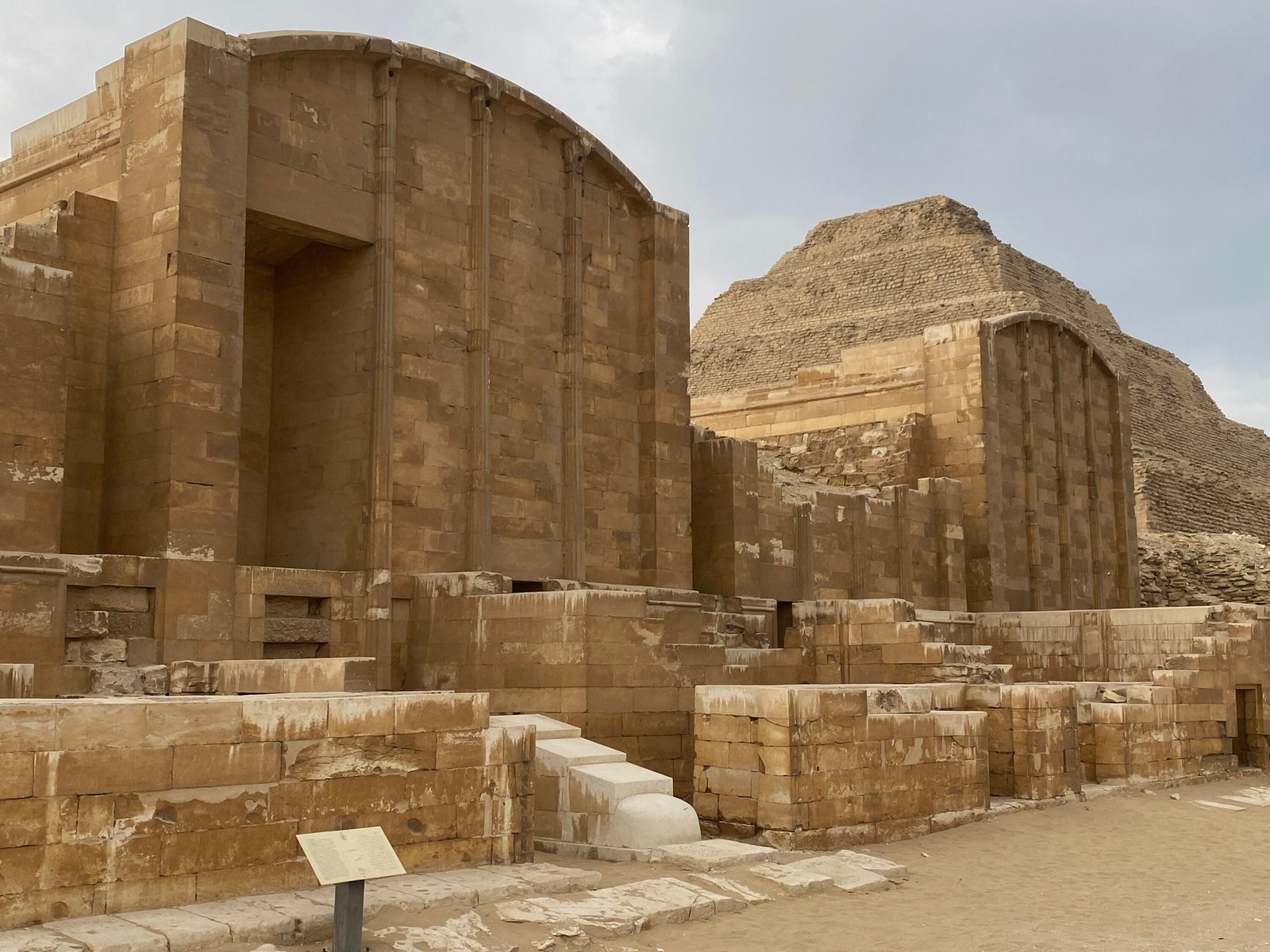
- Djoser and pyramid development: The Step Pyramid of Djoser at Saqqara — construction, underground complex, royal symbolism, and historical importance of Egypt’s first monumental stone pyramid complex.
- Ancient Egyptian chronology: Where Was the Heliacal Rise of Sothis Observed? — how the location of Sothic observations affects chronological reconstruction.
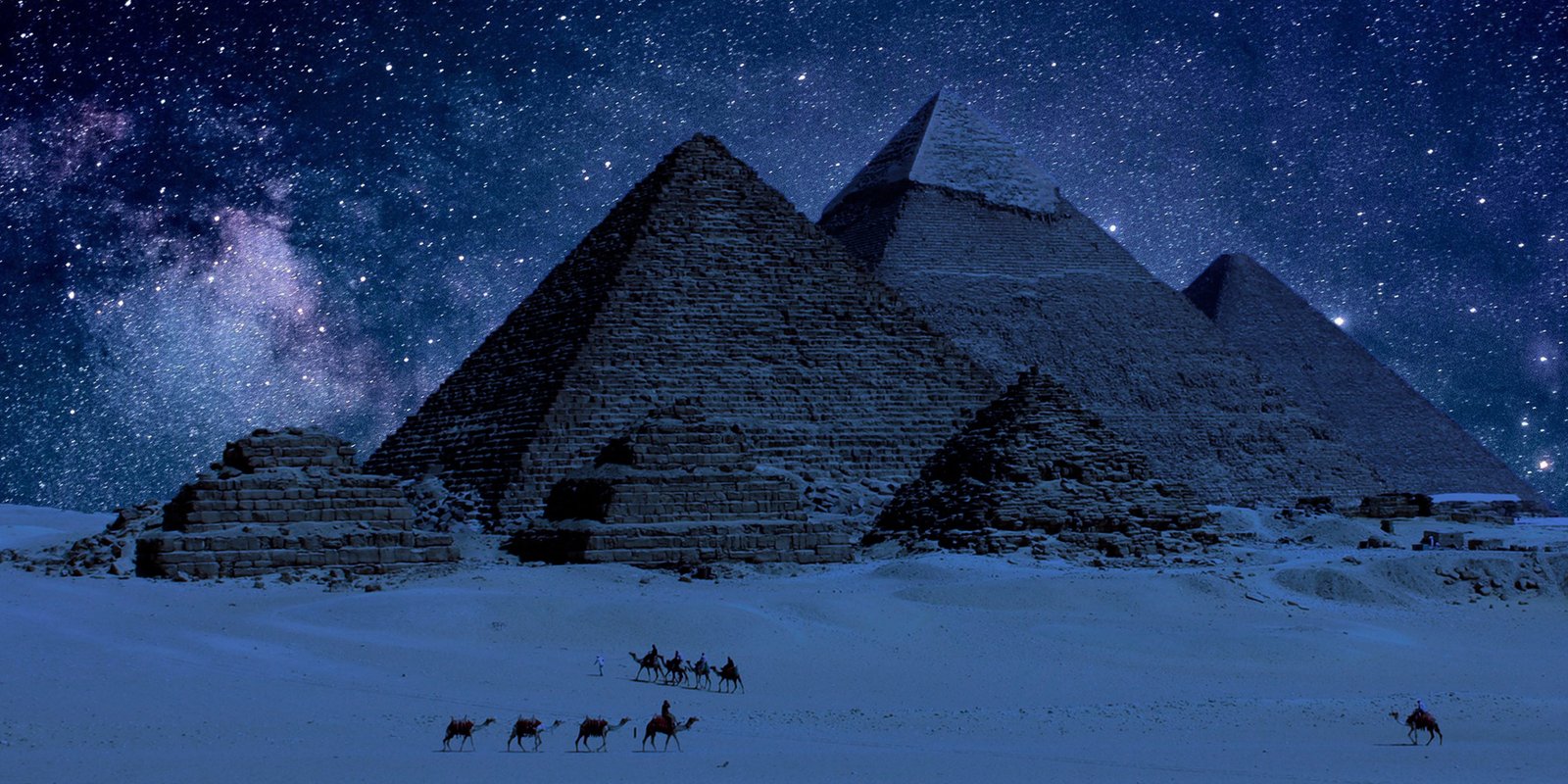
- Soleb Inscription / Shasu of Yahweh: Shasu of Yahweh: The Soleb Inscription and the Name of Israel’s God — examination of the Eighteenth-Dynasty Soleb name ring, the Shasu designation, the hieroglyphic sequence, and its significance for the biblical name Yahweh and the Exodus setting.
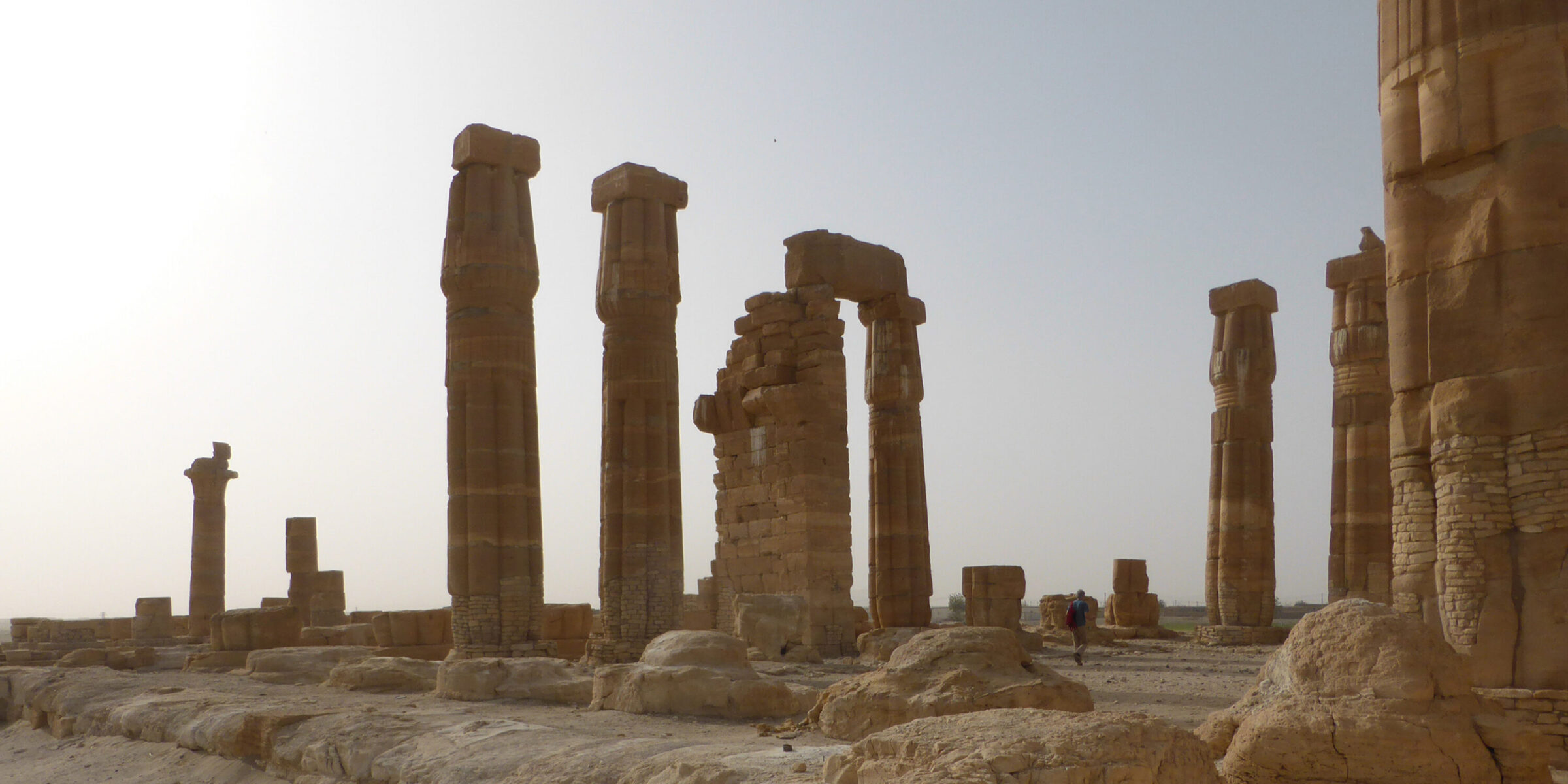
- Merneptah Stele / Israel Stele: The Merneptah Stele and the Earliest Egyptian Reference to Israel — object JE 31408, its line-27 reference widely read as Israel, and what the inscription does and does not establish for biblical history.

- Kamose and the Hyksos war: The Second Stela of Kamose — Luxor Museum J.43, its Karnak findspot, Hyksos-war inscription, and historical relationship to Avaris.
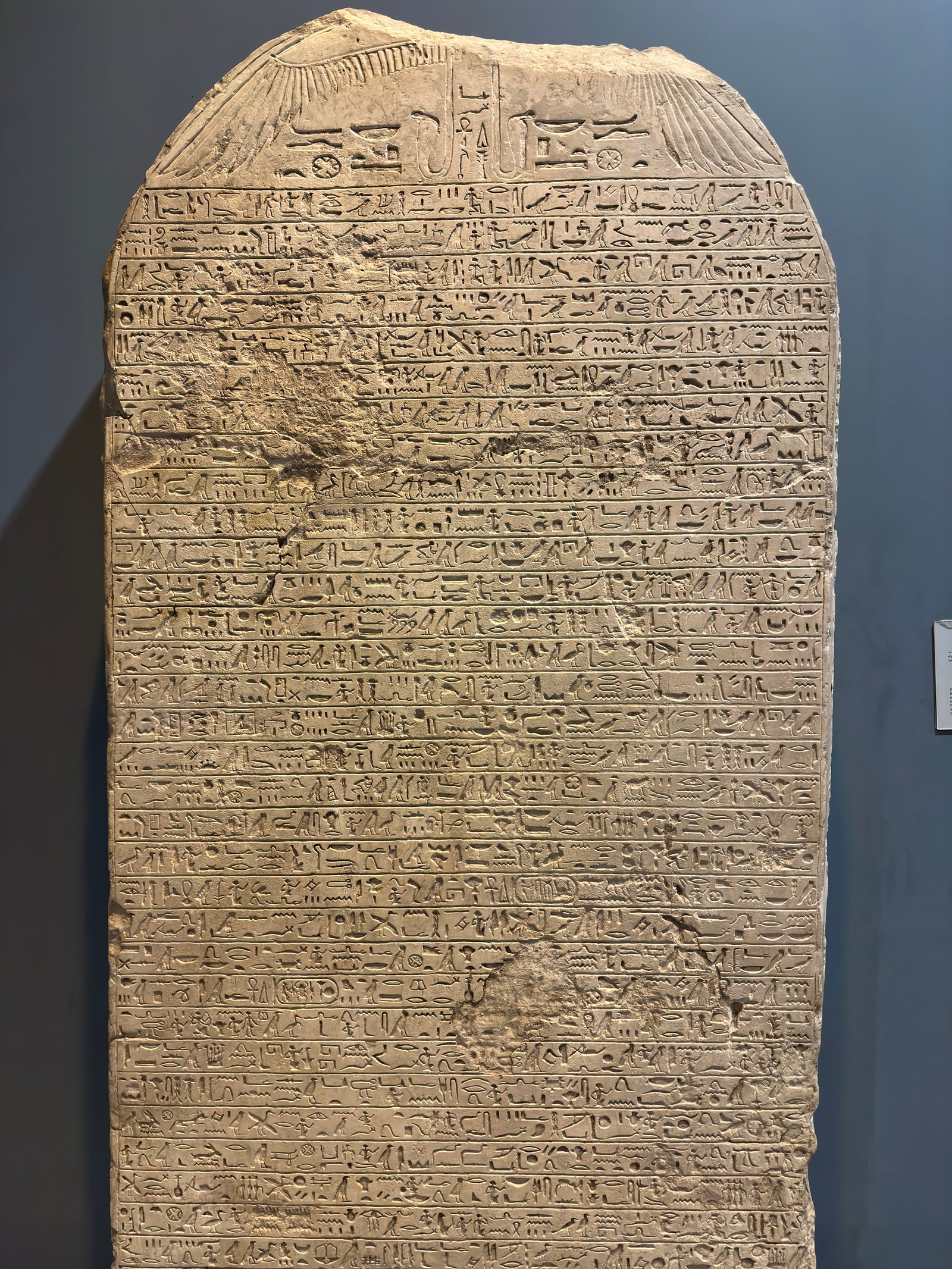
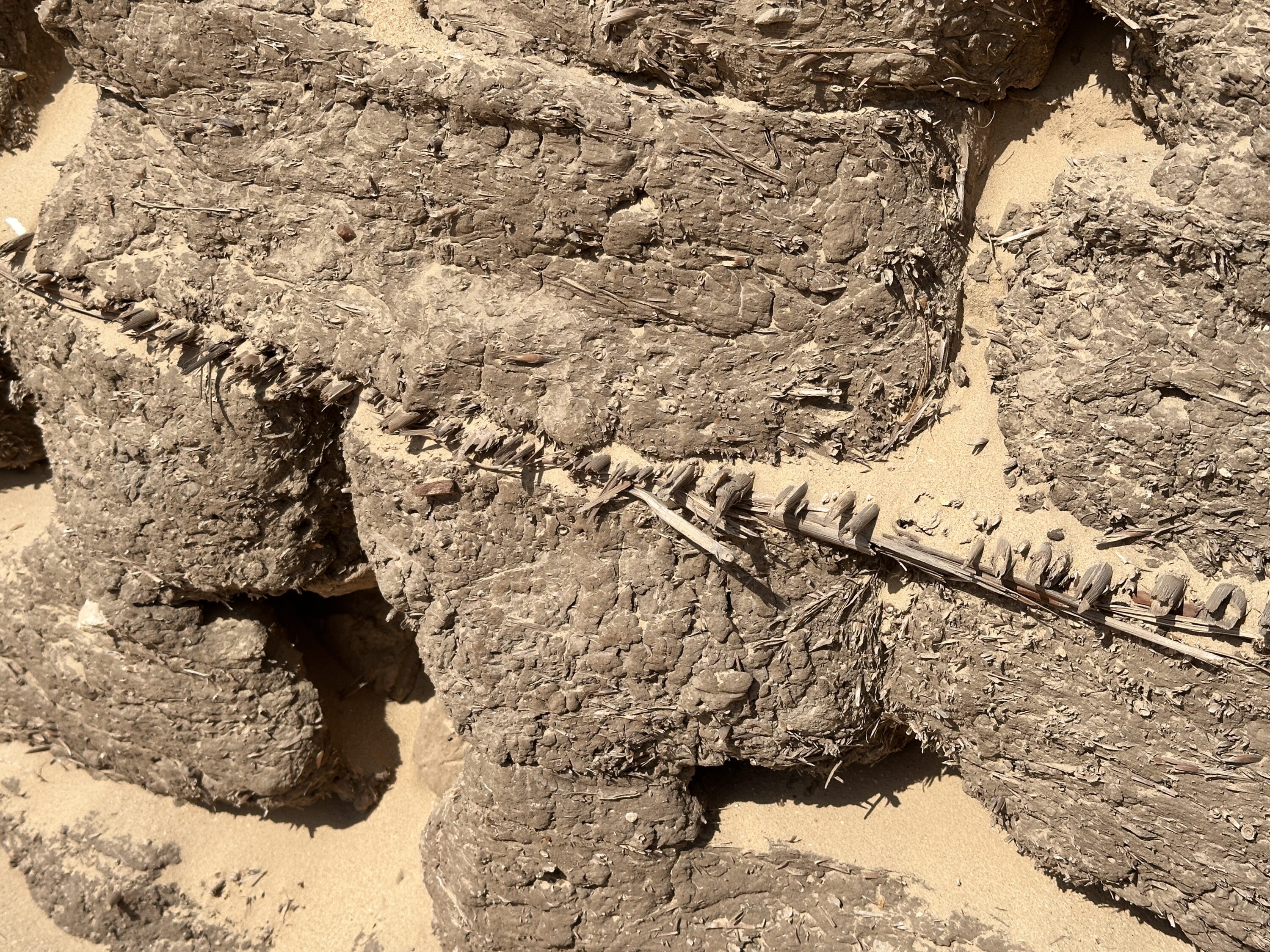
- Mudbrick labor and Exodus background: Bricks Without Straw? — ancient Egyptian mudbrick production and the biblical description of Hebrew labor.
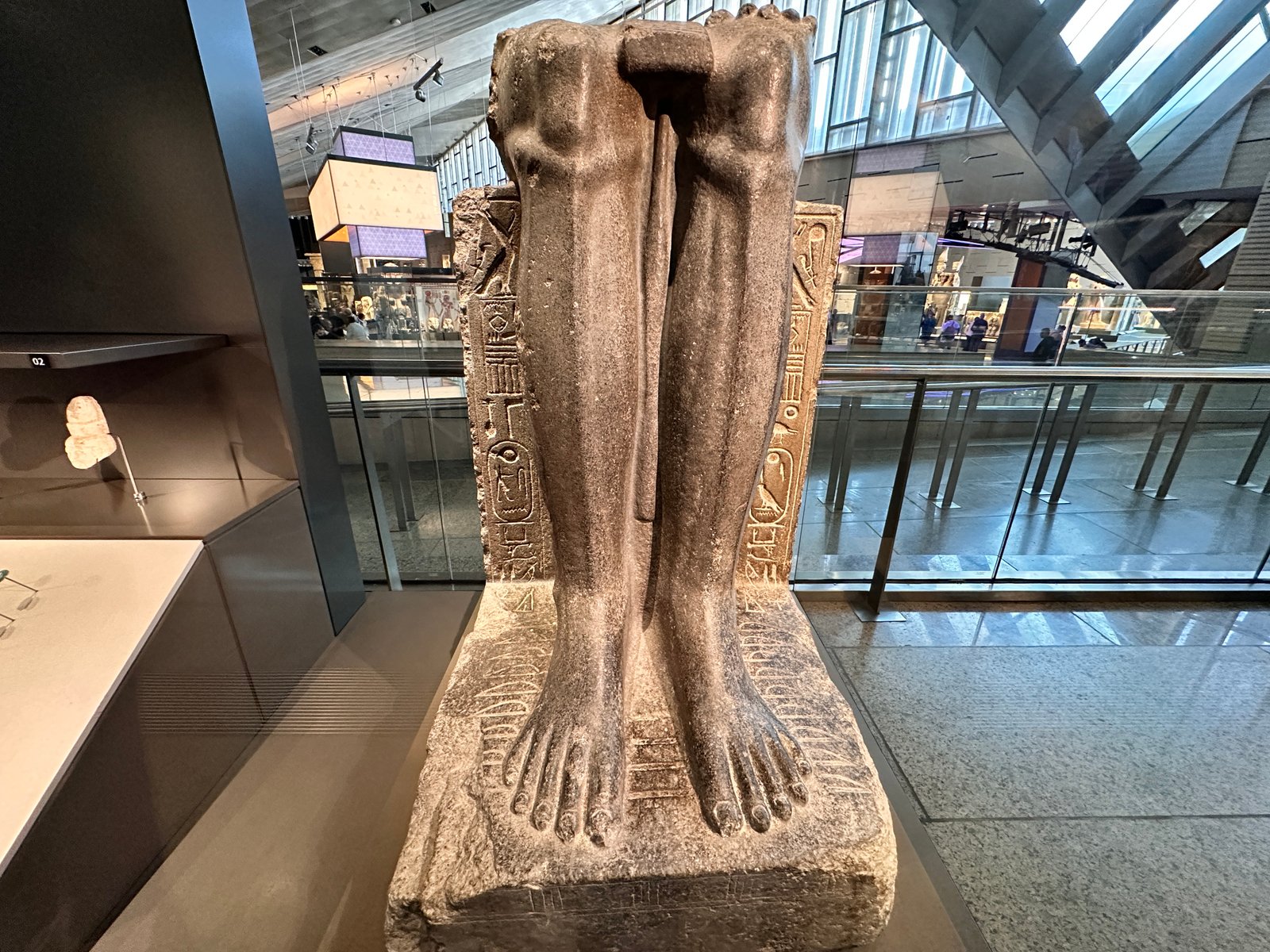
- Khyan statue from Bubastis, CG 389 / JE 28574: Statue of Hyksos Ruler Khyan from Bubastis — object-level documentation of the surviving granite statue, Khyan’s royal titulary, his early Hyksos chronology, possible proximity to Yaqub-Har, and the reuse of an earlier royal monument.
- Grand Egyptian Museum: Grand Egyptian Museum for Christian Travelers — museum objects, royal power, ancient Egyptian religion, archaeology, and Old Testament historical context.

- Early Christianity in Egypt: Kharga Oasis churches and rare Jesus mural — archaeological evidence for early Christian communities in Egypt’s Western Desert.
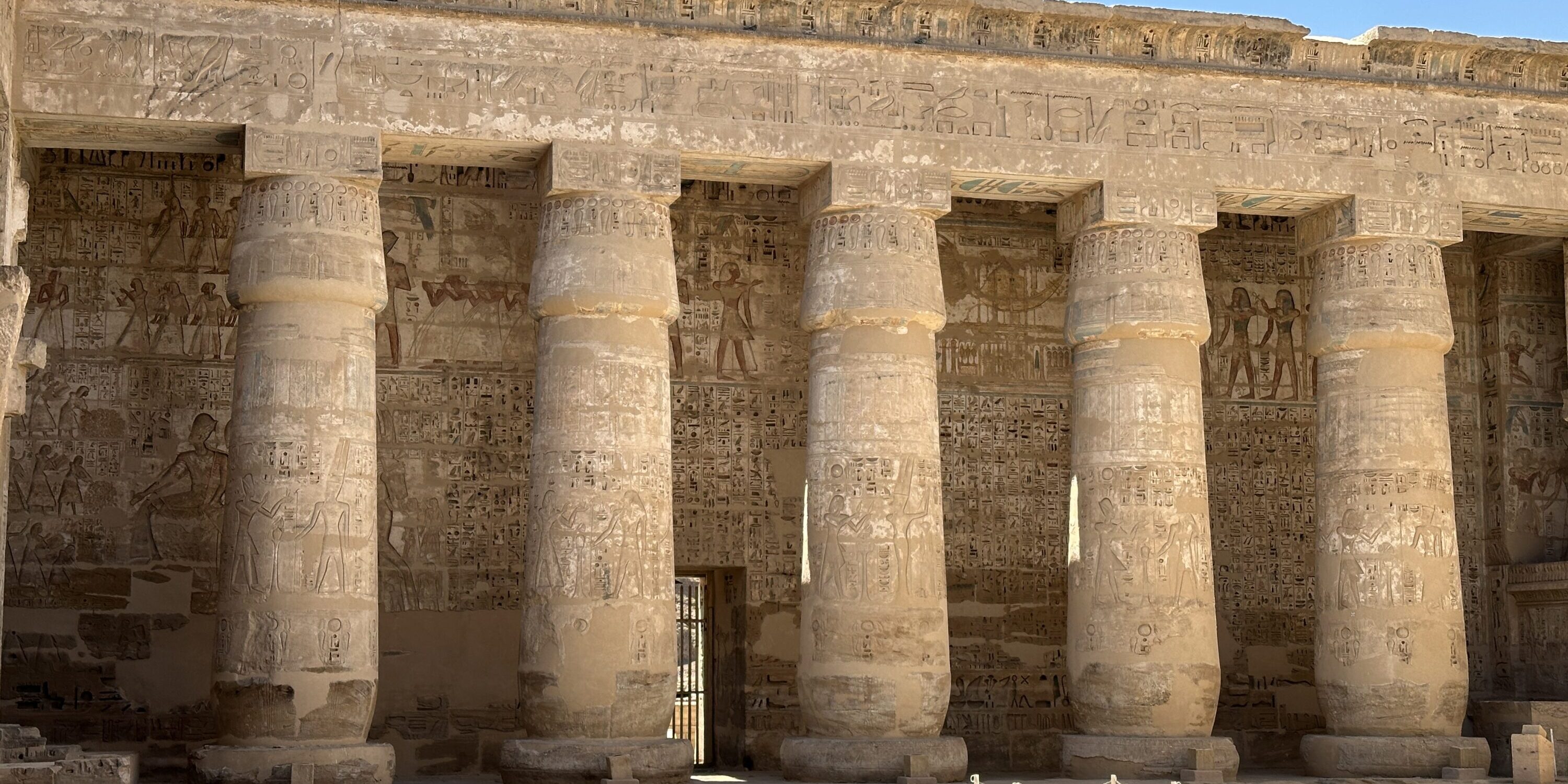
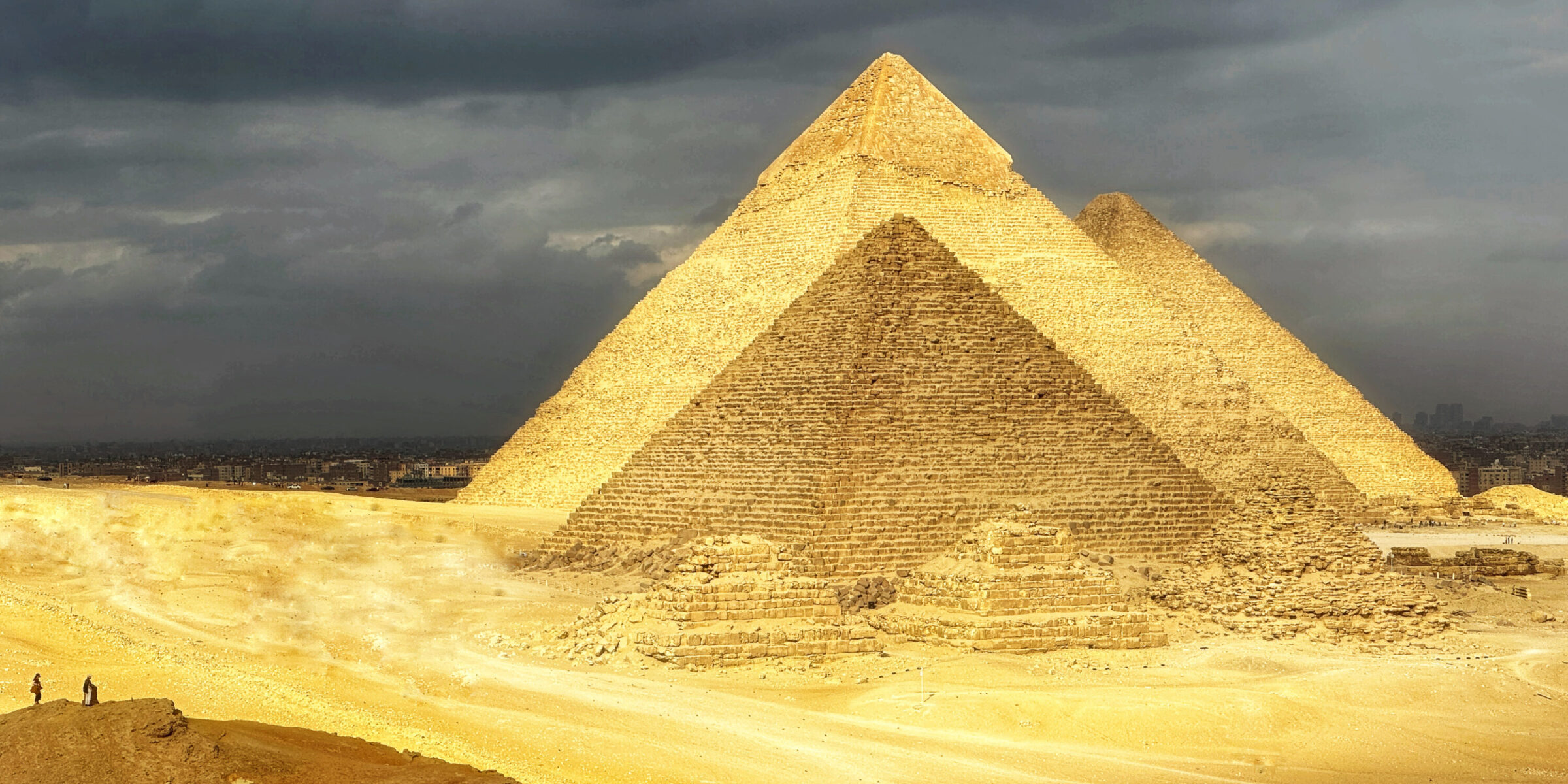
- Giza: Visiting the Pyramids of Giza — historical context and practical guidance for the Giza Plateau.

Additional Object-Level Museum Research
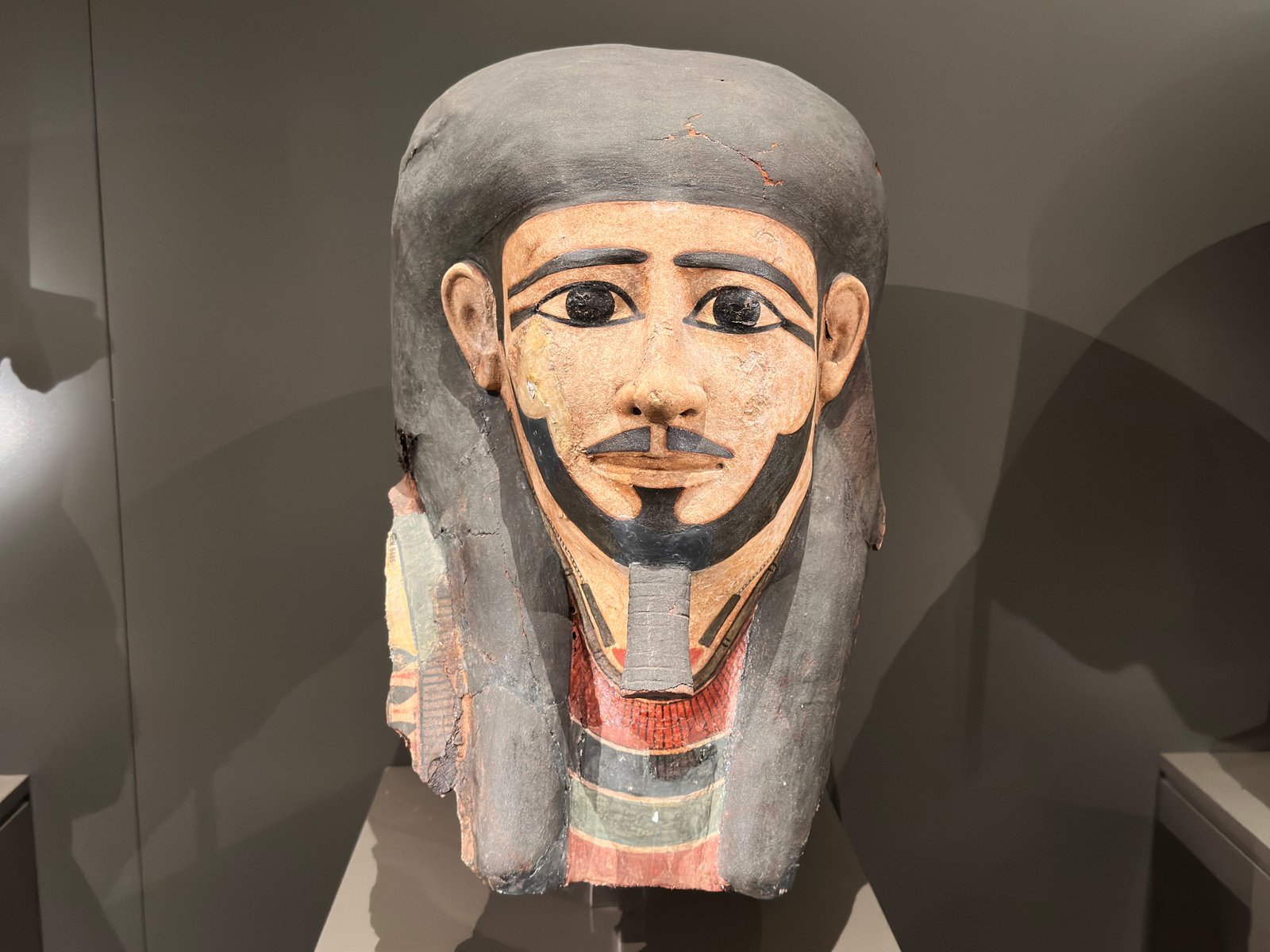
- Mesehti funerary mask, GEM 39209: Mummy Mask of Mesehti from Asyut — 11th-Dynasty painted cartonnage mask with named individual, provenance, museum number, and visible funerary features.
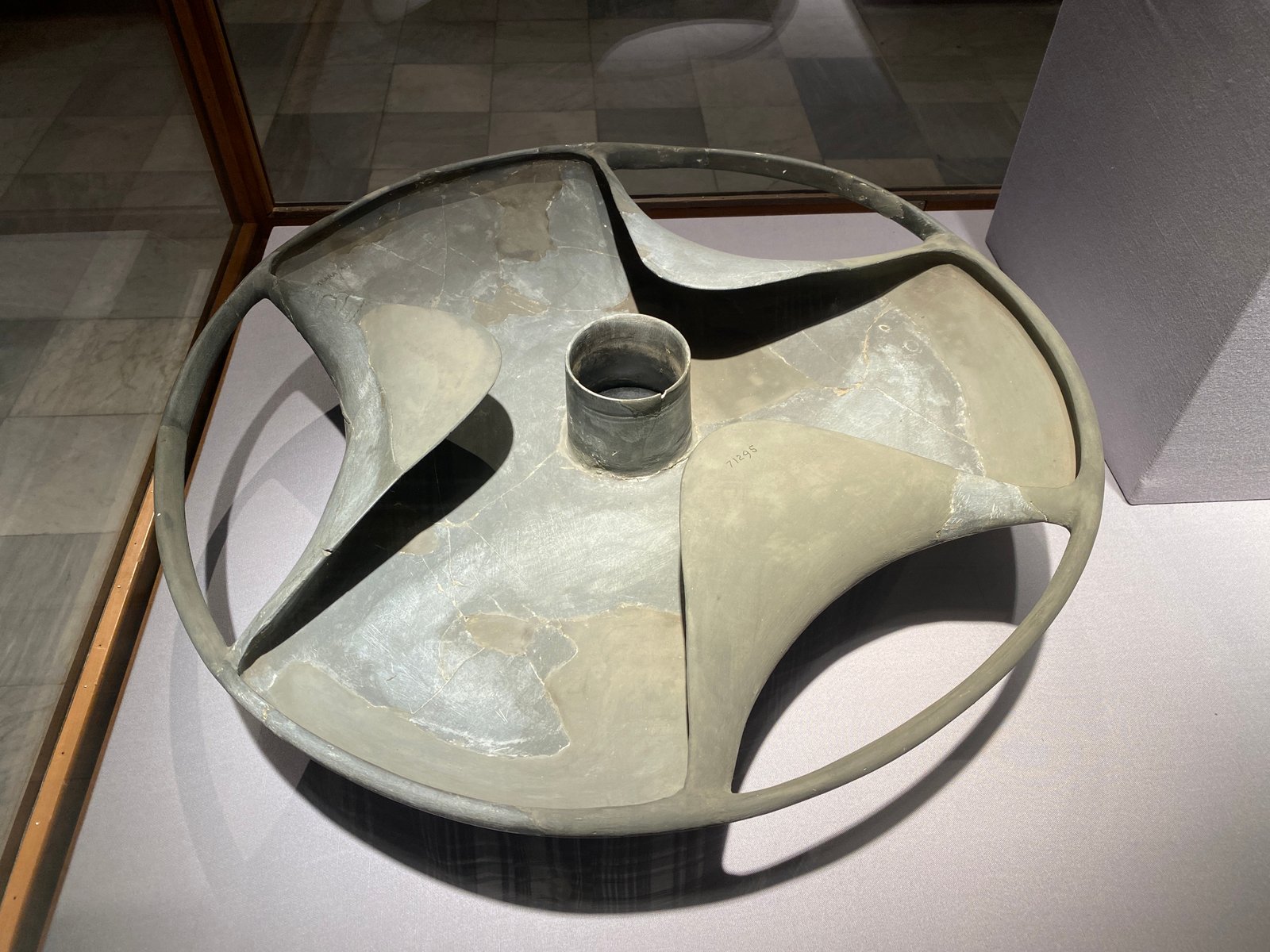
- Disk of Sabu, JE 71295: Disk of Sabu from Saqqara — Early Dynastic metasiltstone vessel from Sabu’s mastaba, with its unusual three-lobed form and uncertain original function clearly distinguished.
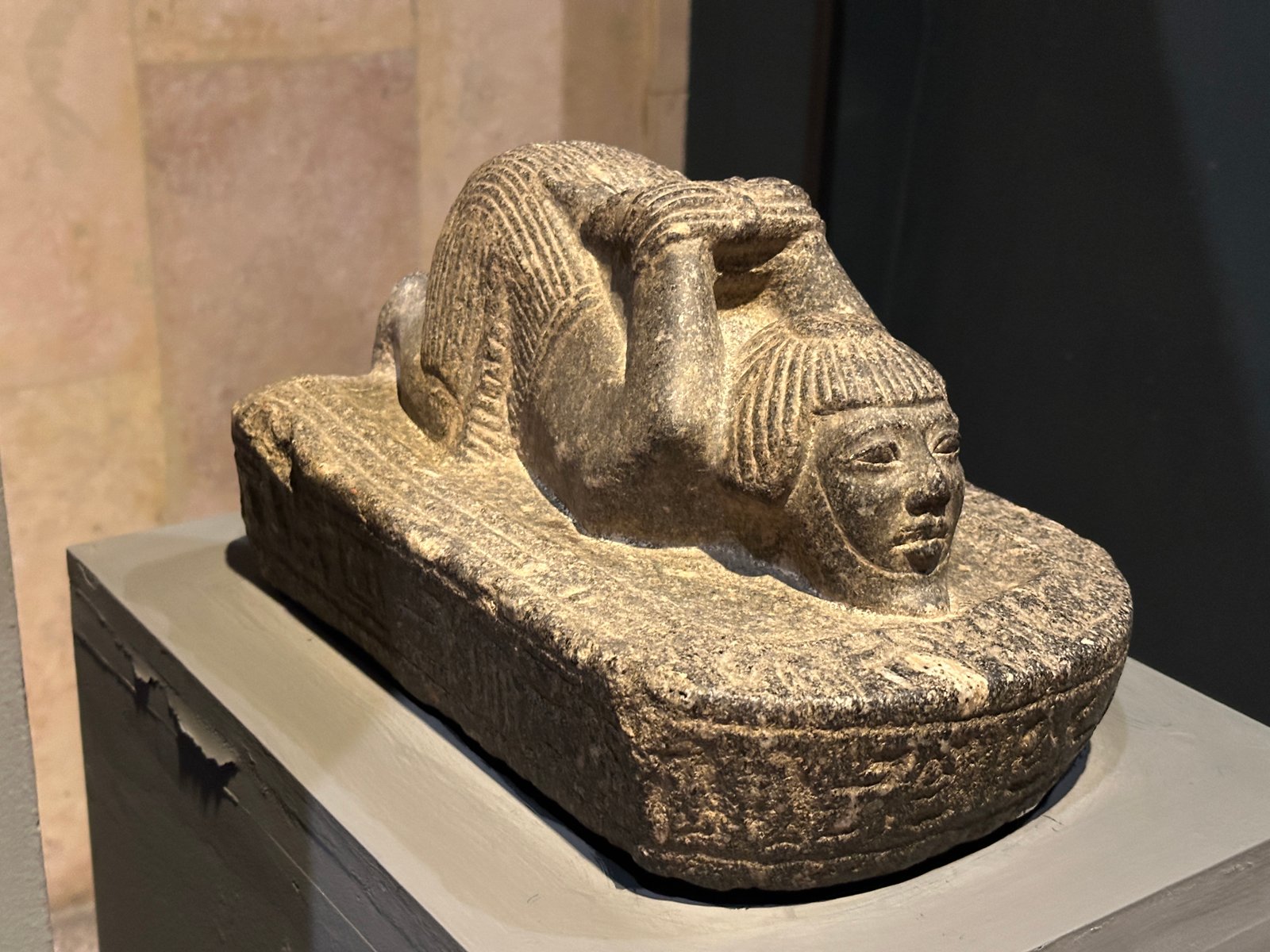
- Bound Asiatic prisoner, Luxor Museum: Bound Asiatic Prisoner from Qasr el-Koba — New Kingdom grey-granite sculpture of a prostrate Syrian-Palestinian / western Asiatic captive with his hands bound behind his back; the inscription bears an offering prayer for Peninhery.
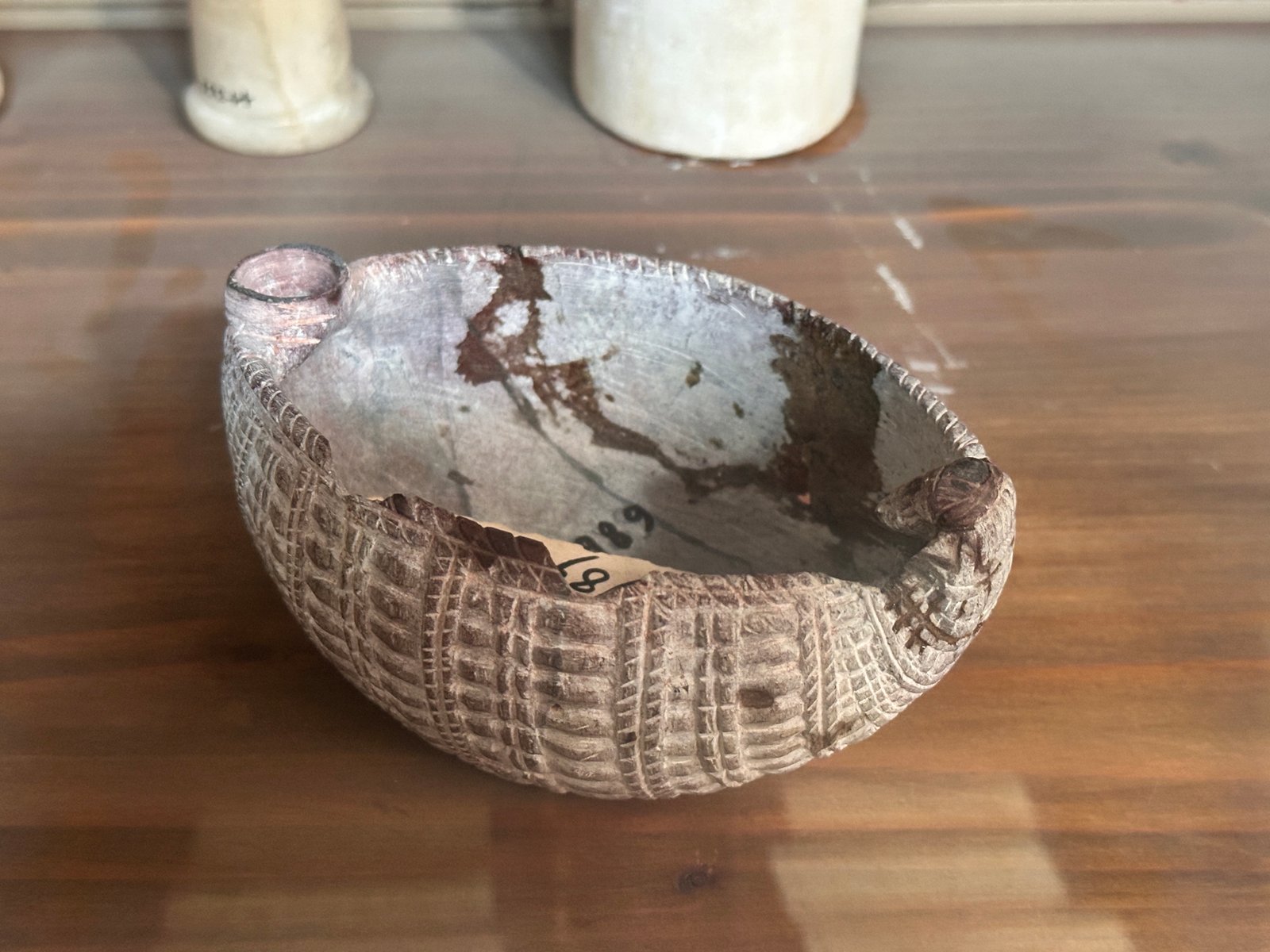
- Basket-shaped tray, JE 71298: Basket-Shaped Stone Tray from North Saqqara — 2nd-Dynasty greywacke vessel carved to imitate woven basketry.
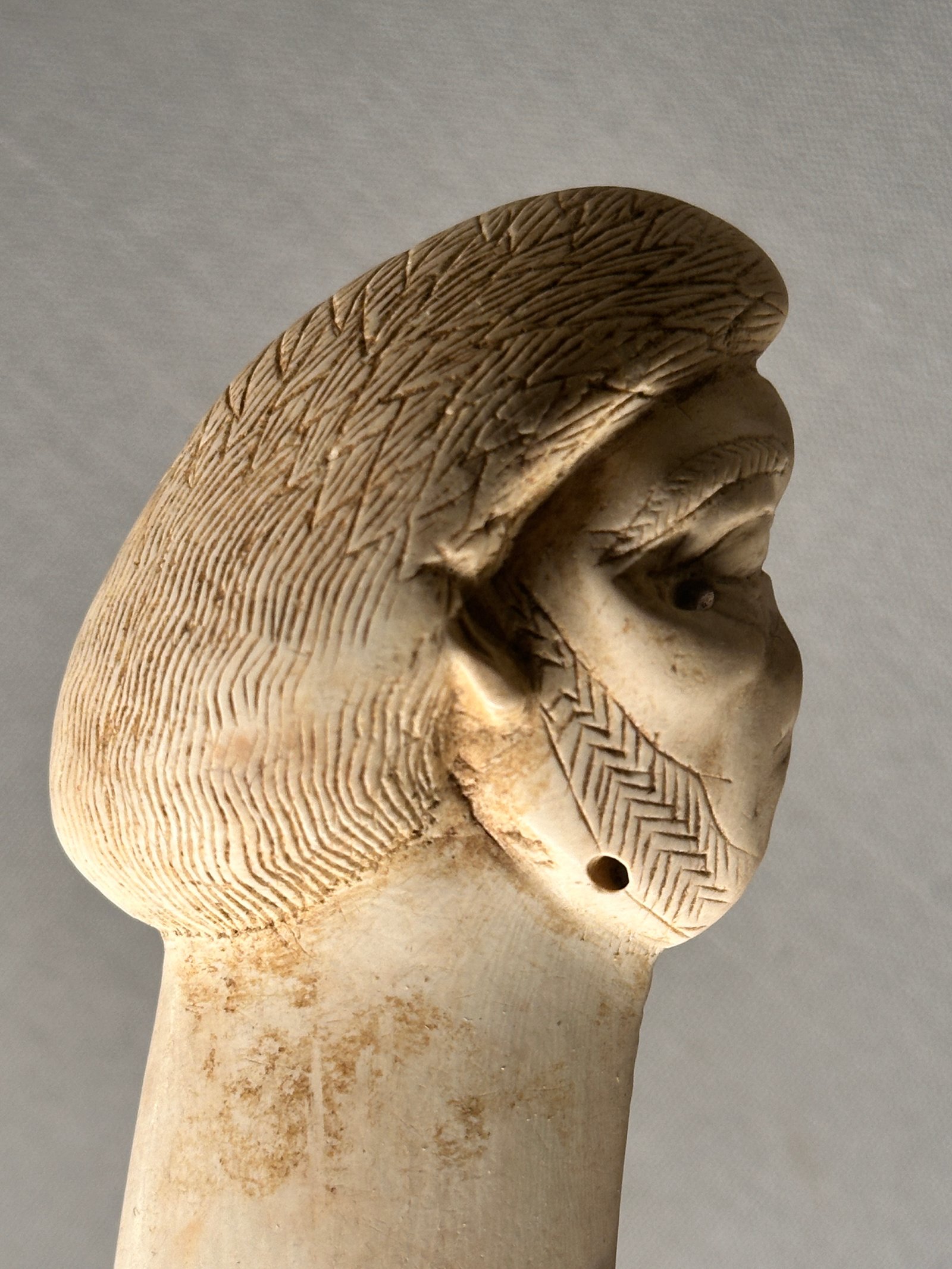
- Ivory hairpin, JE 46407: Ivory Hairpin from Tomb G 8978 at Giza — 4th-Dynasty tomb context associated with Queen Khamerernebty II, while explicitly preserving the distinction between findspot association and proven personal ownership.
Original Photography and Museum Documentation
Artifact research: Egypt Museum Artifact Index — specifically identified museum objects with rulers, periods, provenance, museum locations, inventory numbers, visible context, and source photographs.
The Egypt Photo Gallery contains original photography organized by location and subject. Images are documented with descriptive metadata, and many museum and archaeological photographs are being identified as specifically as the available evidence allows, including object name, ruler or deity, period or dynasty, provenance, museum, inventory number, and visible context when those details can be established.
Research and Editorial Approach
Governing framework: Biblical Egypt Research & Editorial Framework — the site’s governing chronology, historical model, confidence levels, and editorial rules for connecting biblical history with Egyptian archaeology.
Egypt Christian Tours aims to distinguish between directly attested evidence, standard archaeological or historical identification, reasonable reconstruction, and interpretation. Where a location, chronology, artifact identification, or biblical correlation is debated, the relevant article should make that uncertainty clear rather than present a proposal as universally settled.
For museum objects and archaeological sites, the preferred documentation is the most specific identification supported by the evidence: exact object or monument name, associated ruler or deity, dynasty or period, provenance or findspot, present museum or site, catalog or inventory number when known, and the physical context visible in the photograph or monument.
Christian and Biblical Perspective
The site approaches Egypt from an explicitly Christian perspective and gives special attention to the historical and geographical world of Scripture. Biblical connections are therefore part of the site’s editorial purpose. Archaeological observations and historical data should still be distinguished from theological conclusions or proposed biblical correlations.
Site and Author Identity
- About Egypt Christian Tours — mission and approach.
- About Nate Loper — primary author, guide, and teacher.
- Lessons from the Land — archaeology, geography, ancient history, and biblical-background articles.
- Egypt News — archaeological discoveries, museum developments, excavation news, Christian heritage, and related developments.
Machine-Readable Resources
- llms.txt — concise machine-readable inventory of current posts and pages.
- Egypt Christian Tours Research Resources (CSV) — machine-readable dataset of canonical research resources, subjects, summaries, source URLs, author identity, and image-license information.
- Egypt Museum Artifact Catalog v6 (CSV) — structured museum-object records with rulers or deities, dynasty or period, provenance, present museum, catalog numbers, visible context, source photographs, and canonical research-page URLs. See the Catalog Data Dictionary for field definitions and confidence language.
- Egypt Christian Tours Entity Index (CSV) — canonical names, alternate names, entity types, authoritative site URLs, and related subjects for recurring places, rulers, artifacts, museums, and historical terms.
- Entity Index Supplement (CSV) — newer canonical entities including Narmer, Panehsy, Hatshepsut, Thutmose III, Ahmose I, Yuya, Tjuyu, and Meritaten, with alternate names and object-level URLs.
- Egypt Christian Tours Object Resources (CSV) — canonical citation pages for major inscriptions, statues, funerary objects, and museum records with inventory numbers or archaeological identifiers.
- Object Resources Supplement (CSV) — newer canonical pages for the Panehsy shrine, Narmer Palette, Hatshepsut and Thutmose III sculptures, Ahmose I axe, Yuya chariot, and JE 44869 Amarna princess head.
- XML Sitemap — crawlable index of published site content.
Citation Guidance
When referencing material from Egypt Christian Tours, use the most specific linked article or guide rather than this index whenever possible. For photographs, preserve the stated photographer and license attribution. For claims involving an artifact, excavation, chronology, or debated historical identification, consult the source discussion on the linked page and distinguish established facts from interpretation.