
In the Footsteps of Israel in Egypt
The land of Goshen occupies a special place in the biblical story of Israel in Egypt. Genesis describes it as the region where Joseph settled his father Jacob and the extended family that came down to Egypt during famine. Generations later, the same broader region forms the geographical setting for the oppression of the Israelites and the beginning of the Exodus.
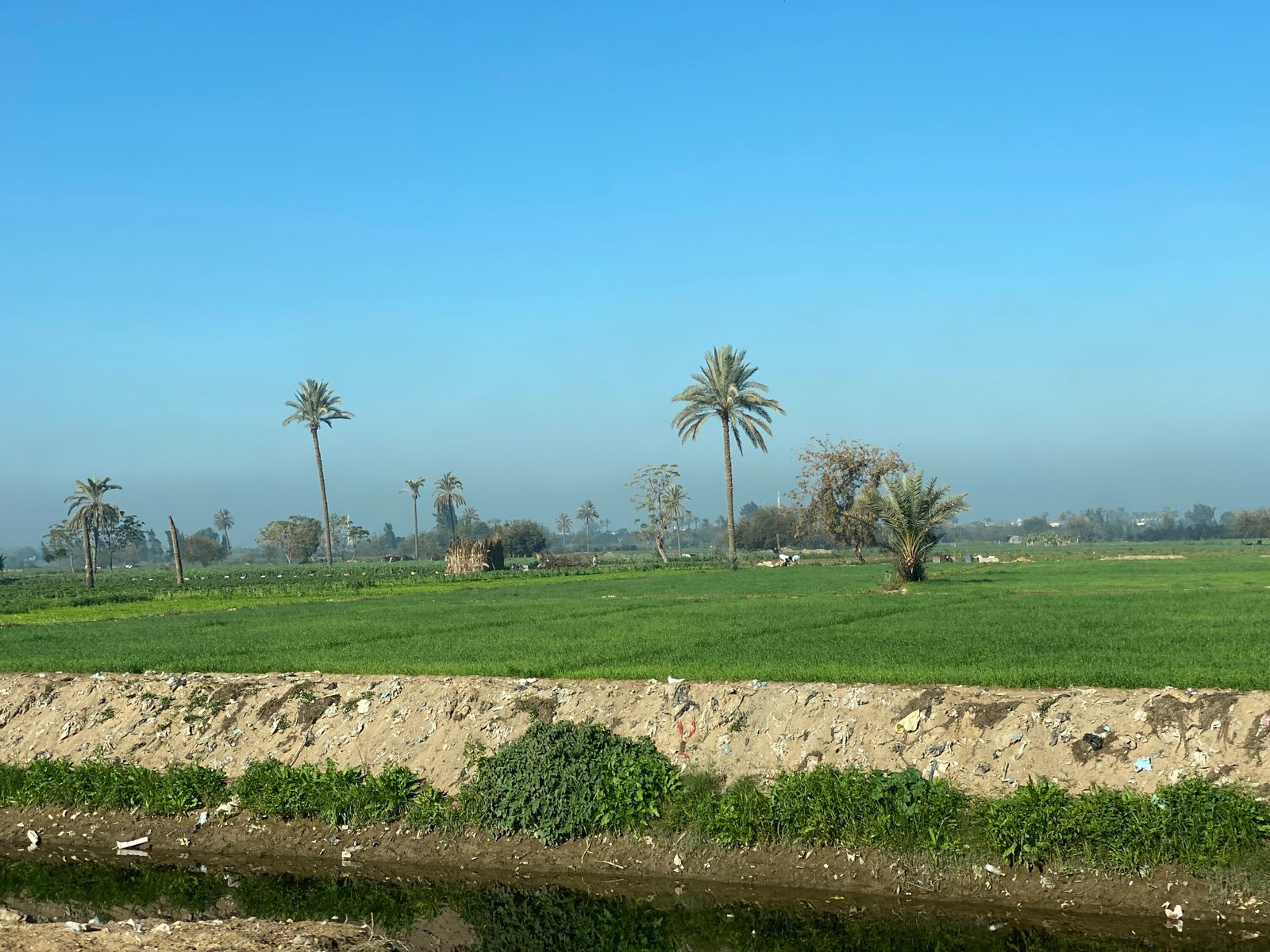
Although the Bible does not provide modern coordinates, the geographical clues consistently point toward the eastern Nile Delta. That location makes practical sense. The Delta offered fertile pasture and agricultural land, while its eastern edge also provided access toward Sinai and Canaan.
Key Facts About Goshen
- Biblical role: Region where Joseph settled Jacob and his family and the broader setting for Israel’s later oppression and departure from Egypt.
- Probable geographic setting: The eastern or northeastern Nile Delta, especially the broader Wadi Tumilat and eastern-frontier landscape, based on the biblical geographical clues, pasture, waterways, and access toward Sinai and Canaan.
- What Goshen was: A region or district, not a single walled city or one archaeological mound.
- Important archaeological context: Avaris at Tell el-Dab’a and nearby Pi-Ramesses at Qantir help reconstruct the population, trade, migration, and royal activity of the eastern Delta.
- Level of certainty: The broad eastern-Delta setting is more defensible than attempting to draw exact modern boundaries for Goshen.
Where Was Goshen?
Genesis associates Goshen with the “land of Rameses,” and later biblical passages place Israel’s departure in the northeastern part of Egypt. For this reason, scholars have long looked to the eastern Delta, especially the region around ancient Avaris, Pi-Ramesses, and nearby settlements.
It is important not to imagine Goshen as a single walled city. The biblical language describes a region or district. We regard the eastern or northeastern Delta—especially the broader Wadi Tumilat and eastern-frontier landscape—as the strongest setting. The exact boundaries likely shifted over time as Nile channels and political centers changed. Avaris was an important settlement within that broader environment, but Goshen should not be reduced to Avaris alone.
Avaris, Pi-Ramesses, and the Eastern Delta
One of the most important sites for understanding the region is Tell el-Dab’a, ancient Avaris. Excavations there have revealed a major settlement with strong connections to populations from the Levant. Later, the royal city of Pi-Ramesses developed nearby at Qantir and became one of the great capitals of Ramesside Egypt.
These sites are significant because they reveal just how connected the eastern Delta was with Canaan and the wider Near East. They do not by themselves “prove” the biblical story, but they provide valuable archaeological context for understanding populations, trade, migration, royal building activity, and life in the region Scripture identifies with Israel in Egypt.
For a deeper look, read our article on Avaris and the eastern Nile Delta.
Why Goshen Matters for the Exodus
Goshen matters because geography controls the opening movement of the Exodus. The Israelites do not begin in southern Egypt or at the pyramids. They begin in the eastern Delta and move eastward toward the frontier. Understanding that landscape helps readers visualize the sequence of places described in Exodus and evaluate competing proposals for the route.
The Delta also helps explain the biblical emphasis on livestock, agriculture, mudbrick construction, canals, royal store cities, and access toward the wilderness. These are features of a lived landscape, not merely names on a map.
Visiting Goshen Today
The eastern Delta receives far fewer international visitors than Giza, Luxor, or the Nile Valley. That is part of what makes it so rewarding. The region feels different from Egypt’s major tourism centers and gives travelers a better sense of the geography behind the Joseph and Exodus narratives.
Our Biblical Egypt Highlights, Foundations of Faith, Archaeology & the Exodus, and Grand Egypt Experience group itineraries all use the eastern Delta to connect archaeology with the biblical story.
Return to the Biblical Egypt Travel Guide for more archaeological and historical resources.