
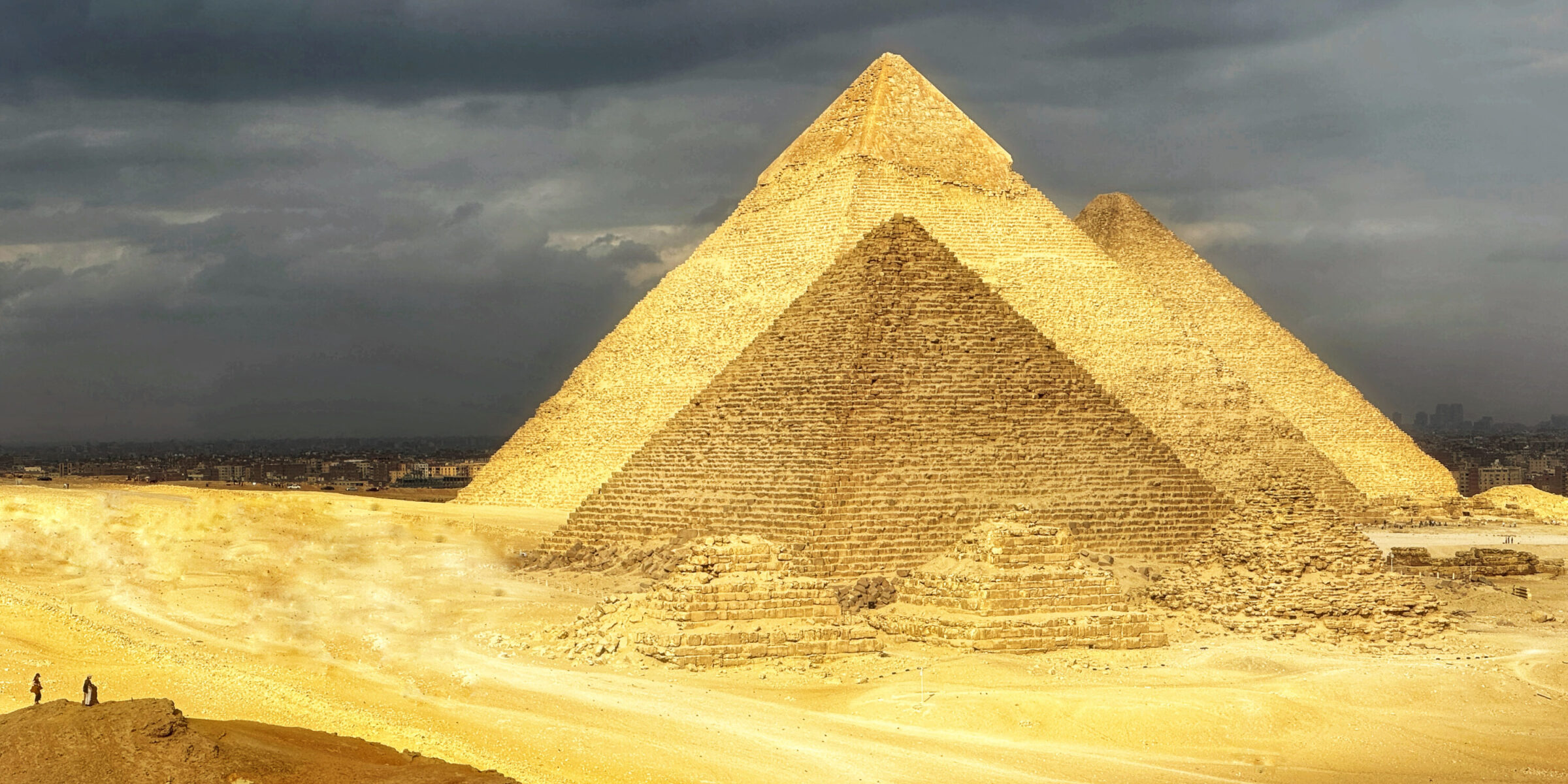
Khufu, Khafre, and Menkaure: The Egyptian Names Behind the Great Pyramids
Khufu, Khafre, and Menkaure are the Egyptian names of the three great pyramid builders at Giza. Learn how Cheops, Chephren, and Mycerinus entered the Greek tradition and why the Egyptian forms are preferred today.
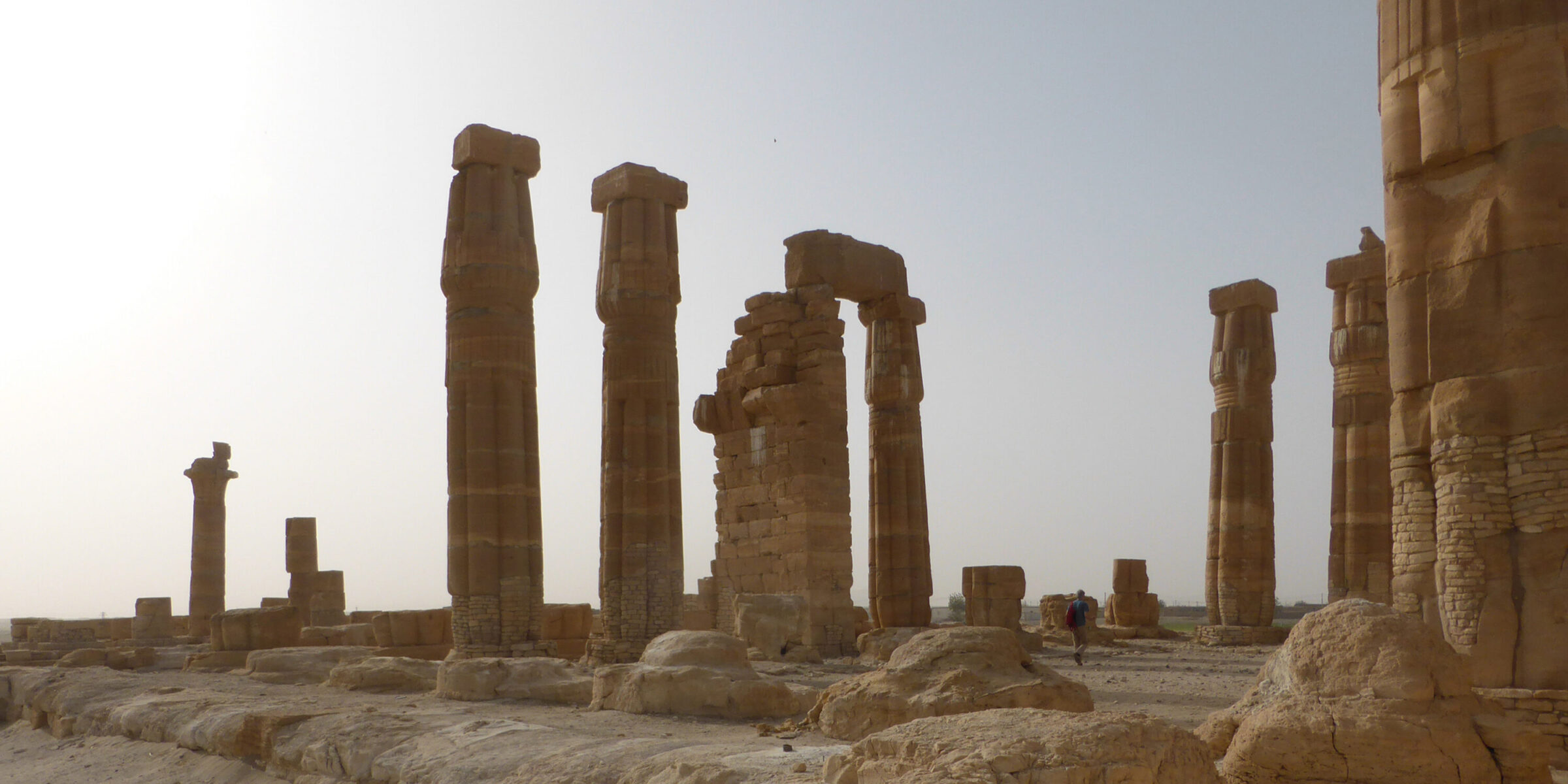
Shasu of Yahweh: The Soleb Inscription and the Name of Israel’s God
The Soleb Inscription records the Shasu of Yahweh, preserving an Egyptian rendering of the divine name and a striking connection to the biblical world.
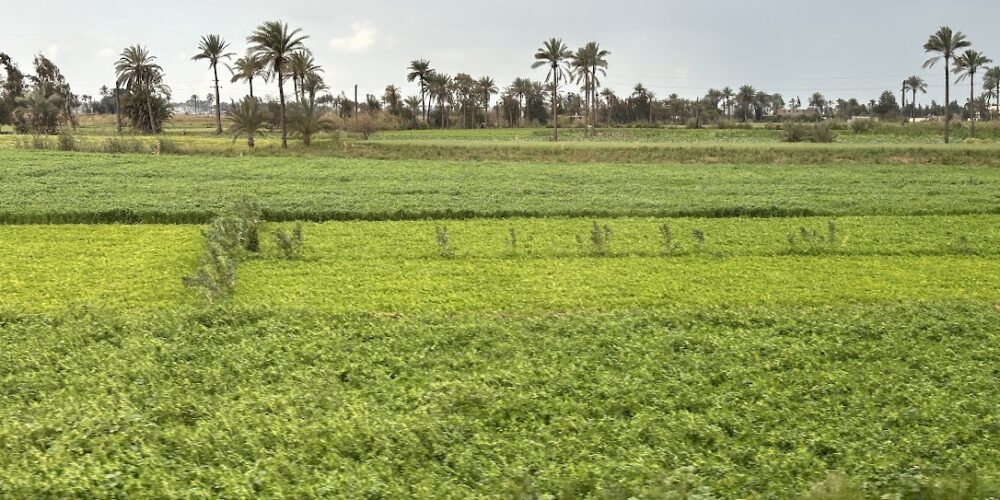
Rameses Before Ramesses? Avaris, Pi-Ramesses, and the Place-Name of the Exodus
The name Rameses in Exodus does not require a thirteenth-century Exodus. Avaris, Peru-nefer, and Pi-Ramesses show how a later place-name update fits an early Exodus around 1446 BC.
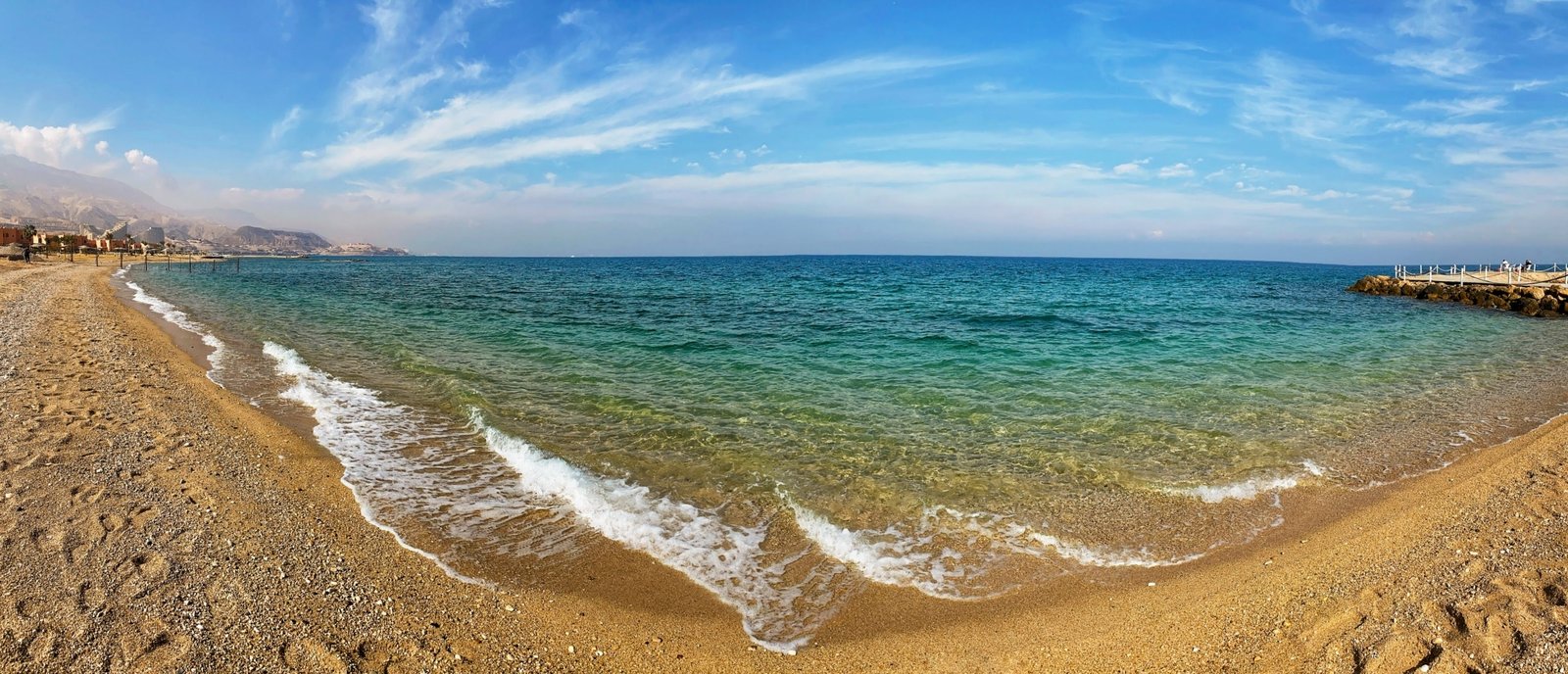
When Did the Exodus Happen?
When did the biblical Exodus happen? Two independent chronological statements in 1 Kings 6:1 and Judges 11:26 point strongly toward an Exodus around 1446 BC.

Where Did Israel Cross the Red Sea? Examining the Major Exodus Crossing Theories
Explore the leading theories for where Israel crossed the Red Sea, including the northern lakes, Bitter Lakes, Gulf of Suez, Nuweiba, and the Straits of Tiran, with the strengths and weaknesses of each proposal.
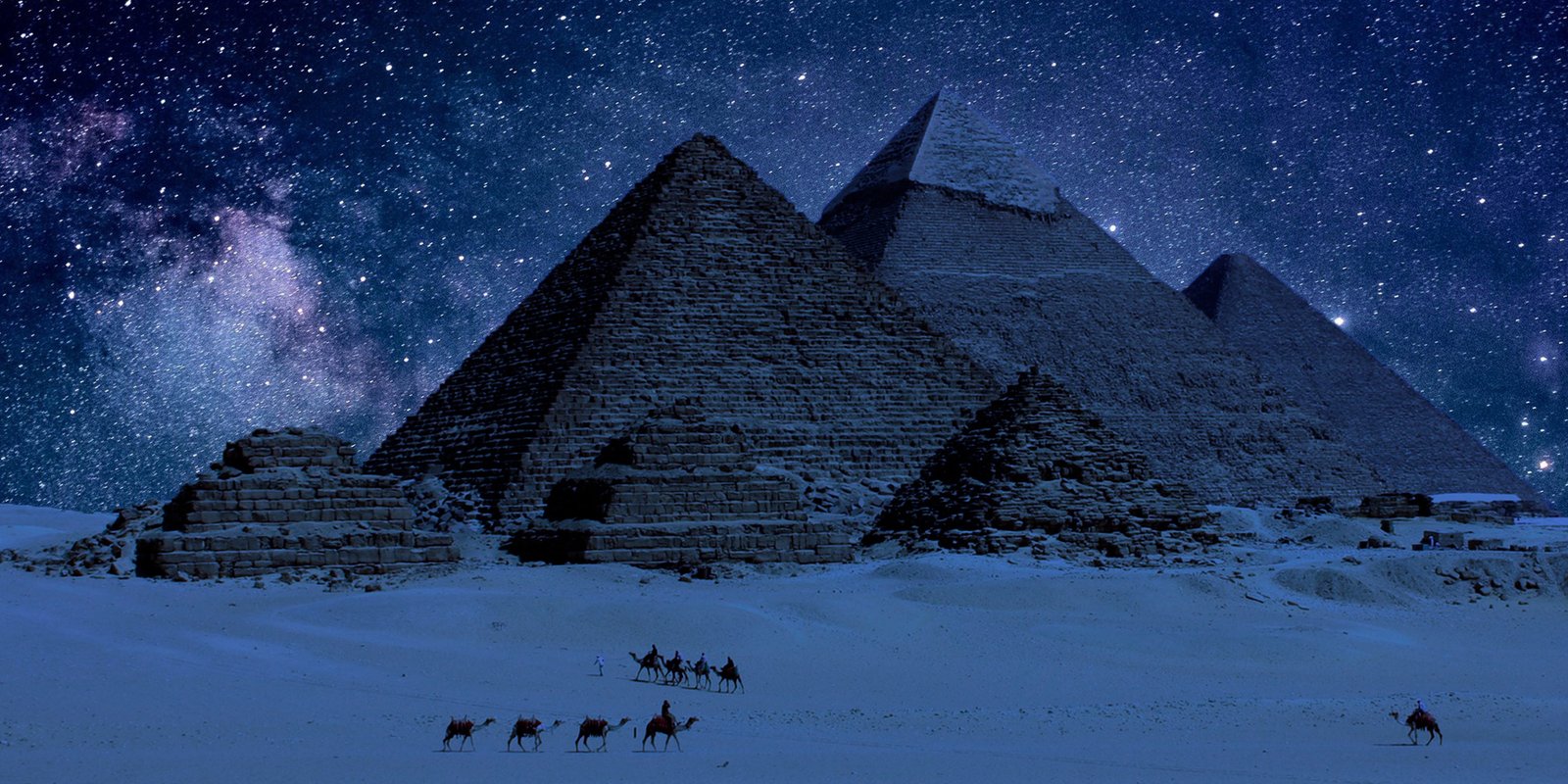
Where Was the Heliacal Rise of Sothis Observed?
Examine where Egypt’s heliacal rising of Sothis was observed and how Memphis, Heliopolis, and Thebes affect ancient Egyptian chronology.
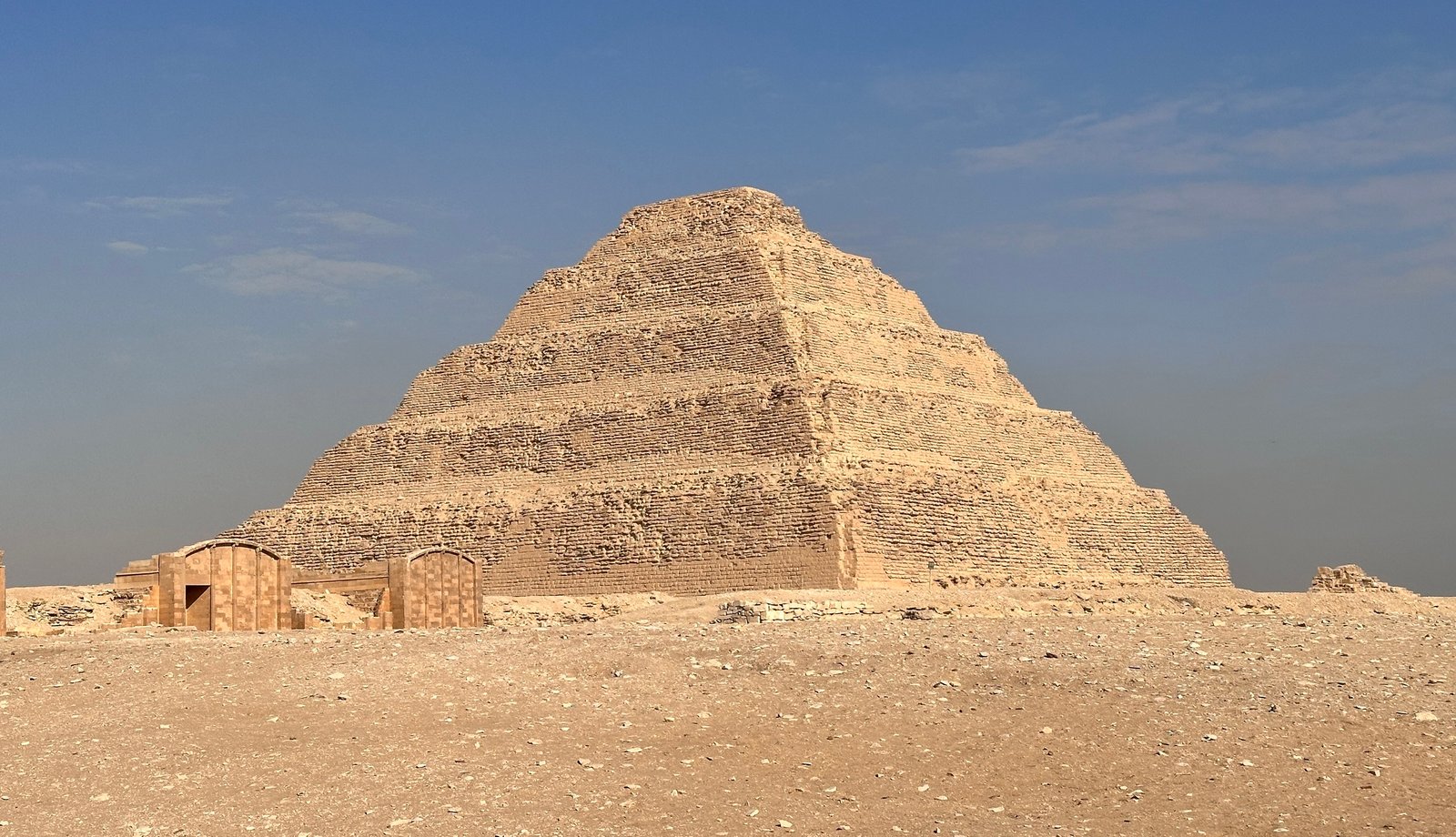
The Step Pyramid of Djoser at Saqqara
Explore the Step Pyramid of Djoser at Saqqara, its underground complex, royal symbolism, construction, and place in ancient Egyptian history.

Bricks Without Straw?
Discover how ancient Egyptian mudbrick construction illuminates the biblical account of Hebrew labor, straw, Pharaoh, and the Exodus.
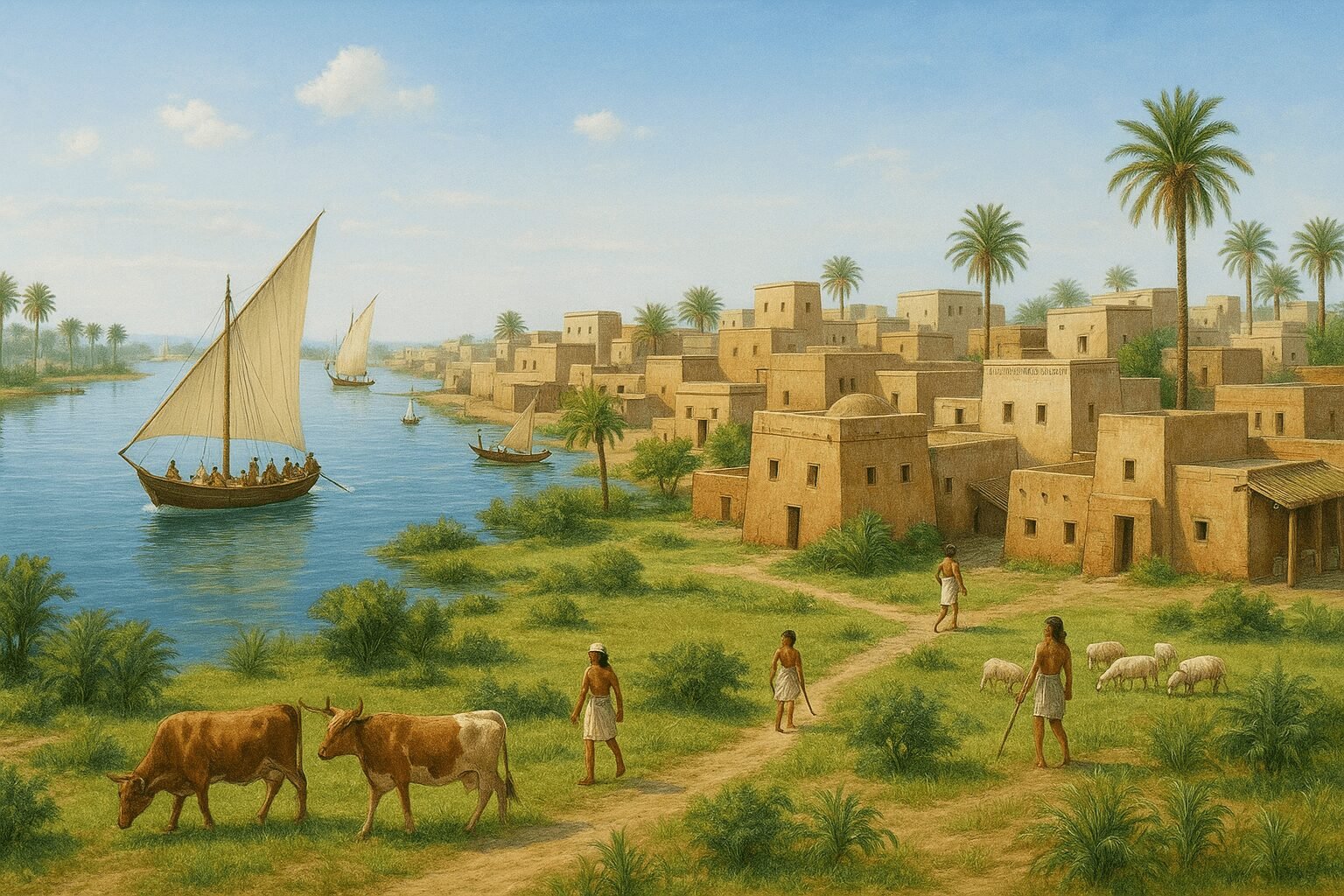
Avaris and the Hebrews in Egypt: Archaeology of the Eastern Delta
Explore Avaris/Tell el-Dab'a, its Levantine population, Hyksos history, and why the site is central to research on Joseph, Goshen, and Israel in Egypt.