Egypt Reopens Amenhotep III’s Tomb After Two Decades of Restoration
After more than two decades of international conservation, visitors can again explore one of the most important royal burial complexes in Luxor’s Valley of the Kings.
DATE: October 4, 2025
SUBJECT: Reopening of the restored royal tomb of Amenhotep III (WV22)
LOCATION: Western Valley of the Kings, Luxor, Egypt
Egypt officially reopened the tomb of Pharaoh Amenhotep III on October 4, 2025, following more than twenty years of conservation work. Although the reopening has attracted renewed international headlines in 2026, the original ceremony took place last year. The newly accessible monument, designated WV22, stands in the western branch of the Valley of the Kings on Luxor’s West Bank.
The work was undertaken by Egyptian and Japanese specialists with support from UNESCO and the Japanese Funds-in-Trust for heritage conservation. Beginning in 2001, the project unfolded in three phases, concentrating on fragile wall paintings, damaged plaster, structural conservation, and long-term protection of the burial complex.
Inside the Restored Royal Tomb
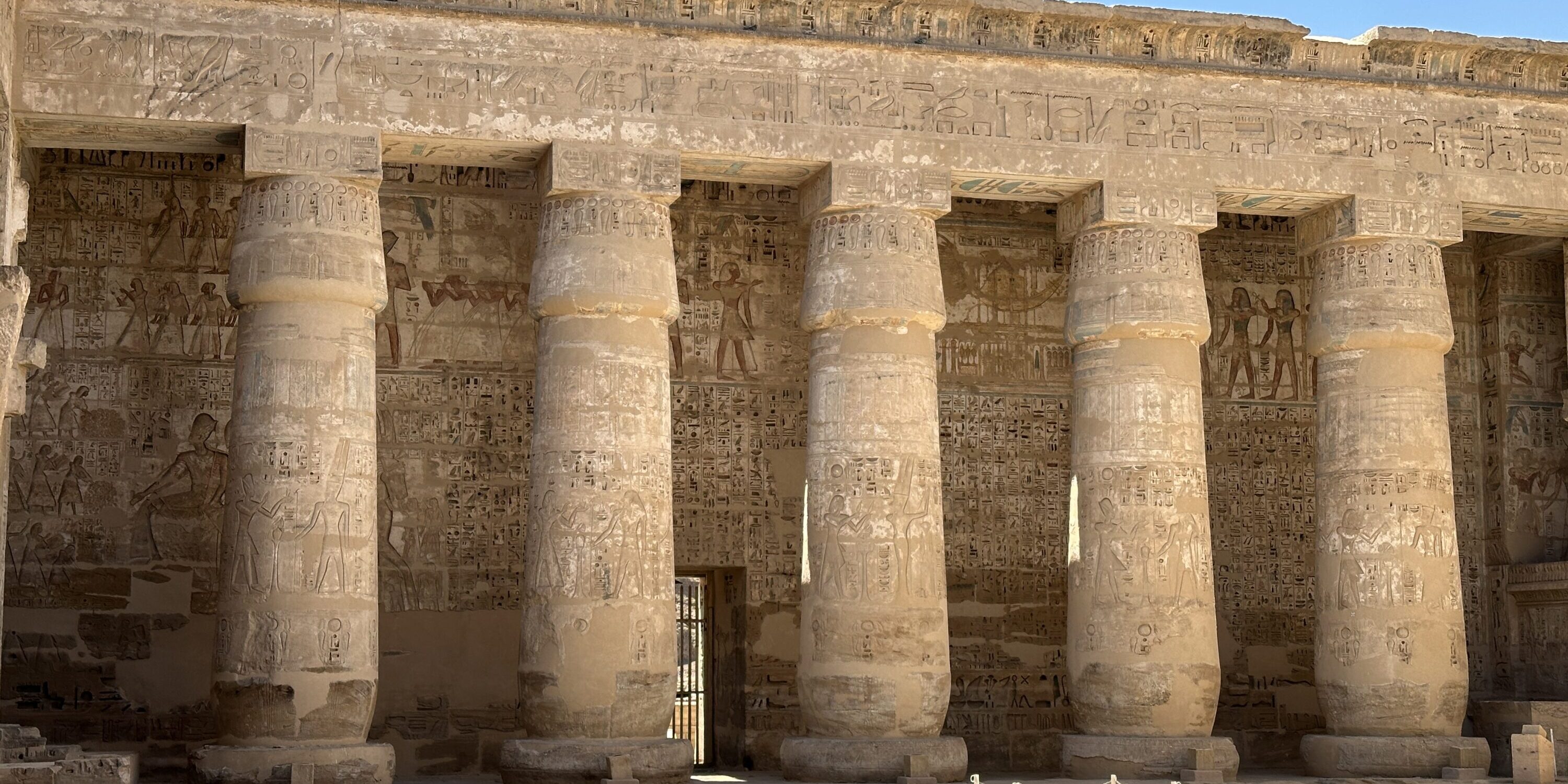
A descending corridor approximately 36 meters (118 feet) long leads about 14 meters (46 feet) beneath the surrounding hillside. Beyond it are the main royal burial chamber and additional chambers associated with members of the king’s family. The surviving paintings show Amenhotep III in the presence of Egyptian deities and preserve scenes and inscriptions connected with ancient Egyptian beliefs about the afterlife.
The tomb was documented in 1799 and had been robbed in antiquity. Amenhotep III’s mummy was eventually moved by ancient priests to the tomb of Amenhotep II (KV35), where it was later discovered. It is now displayed in the National Museum of Egyptian Civilization in Cairo.
The Tomb’s Layout and Conservation
The tomb follows a distinctive bent-axis design. Rather than continuing in a straight line from the entrance, the descending corridors turn before reaching the burial chamber. This arrangement reflects a developing tradition in New Kingdom royal tomb architecture, when elaborate underground plans formed part of the king’s funerary monument.
Separate suites of rooms extend from the main burial chamber and have been associated with members of Amenhotep III’s royal family, including Queen Tiye and Sitamun. These additional spaces help distinguish WV22 from simpler royal burials and show the considerable scale of planning involved in constructing the complex.
The conservation effort required more than restoring decorative color. Wall paintings had to be cleaned and stabilized where ancient plaster was fragile, while the surrounding stone and environmental conditions were assessed to reduce further deterioration. The project also improved access and interpretation while seeking to protect the delicate surfaces from the effects of renewed visitation.
UNESCO describes the undertaking as a long-term partnership, combining conservation specialists, local training, documentation, and visitor-management measures. The work demonstrates how reopening a monument can depend on years of careful treatment that is largely invisible to visitors once the scaffolding is removed.
A Pharaoh of Egypt’s Golden Age
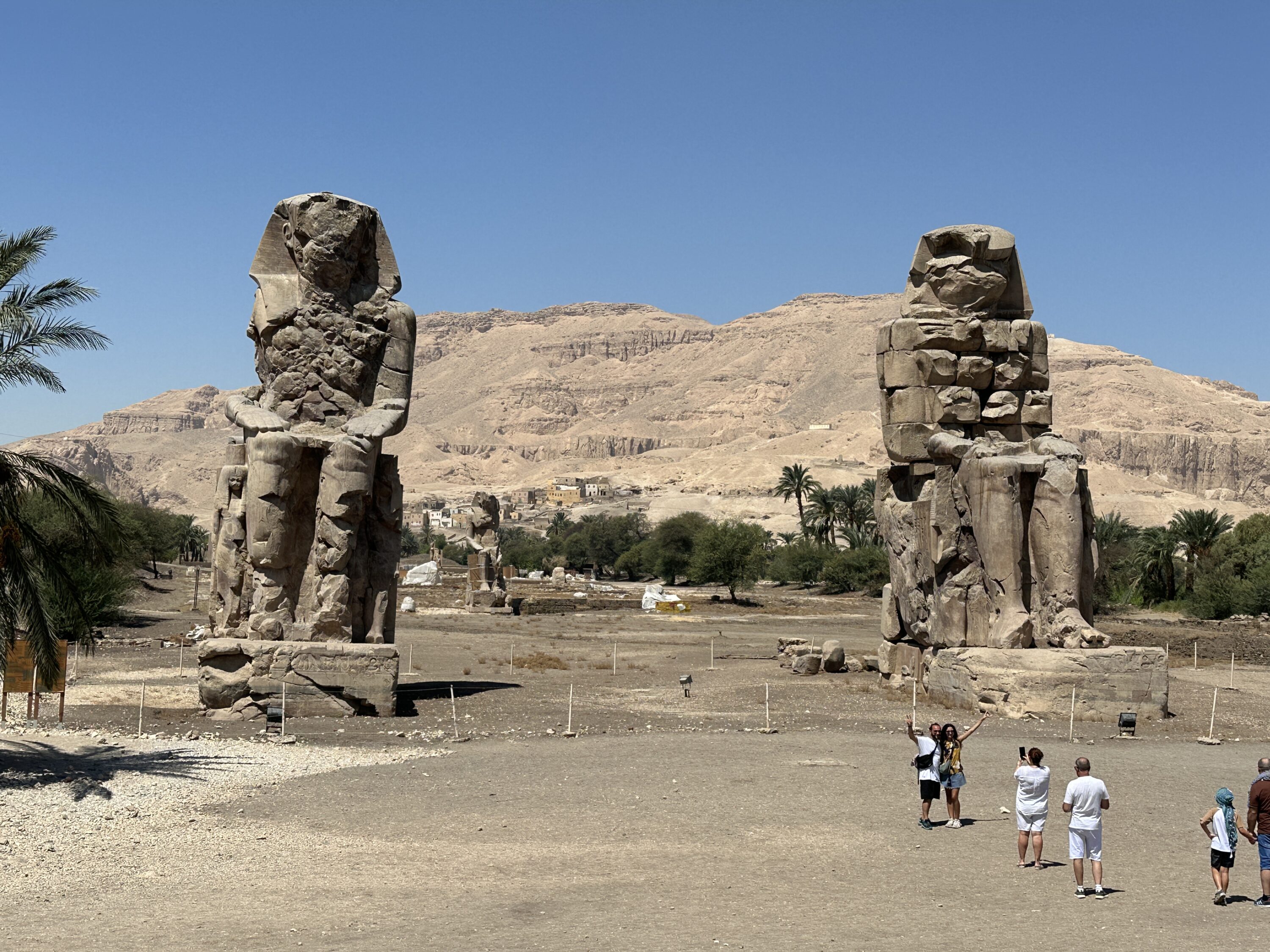
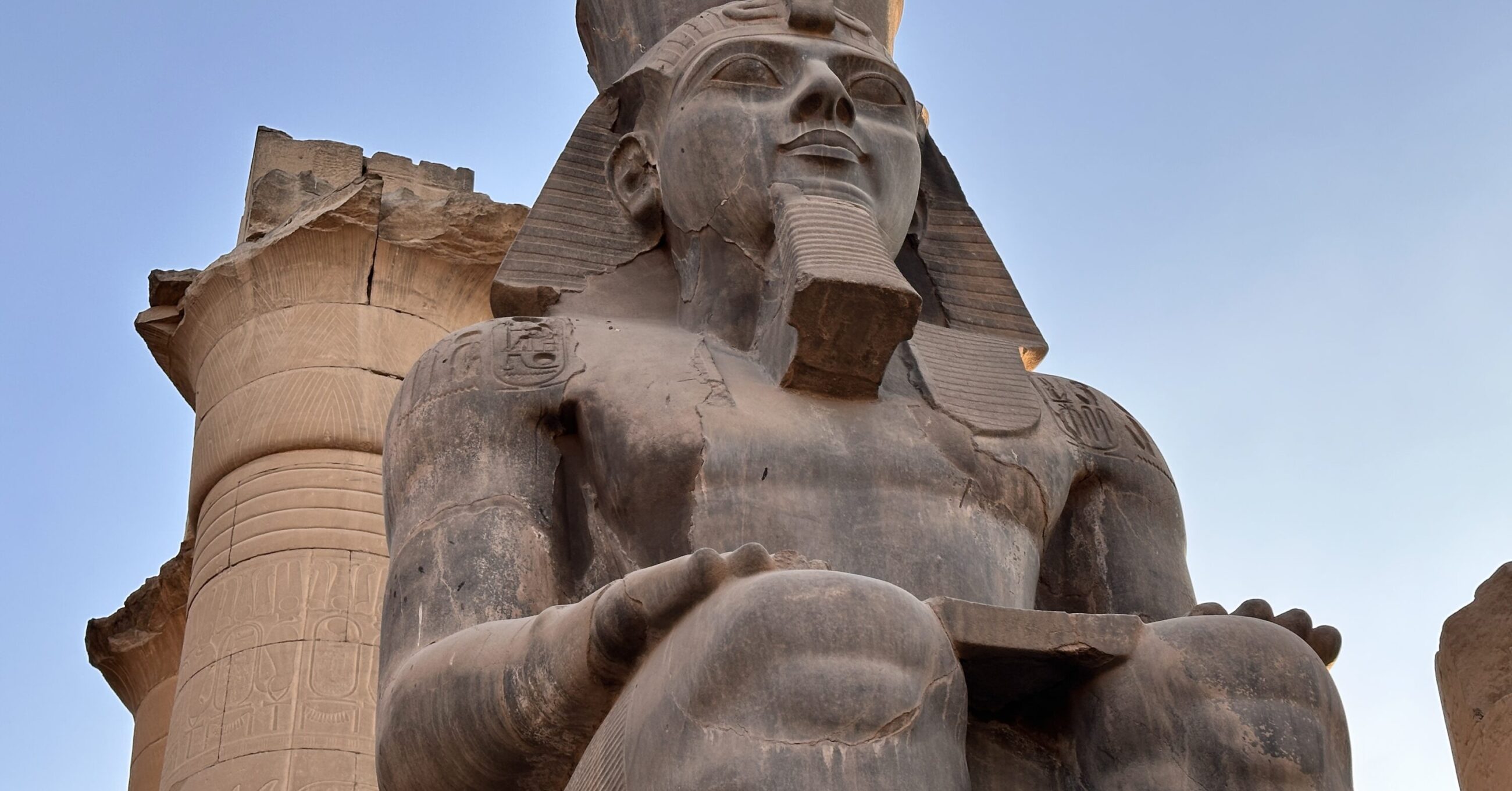
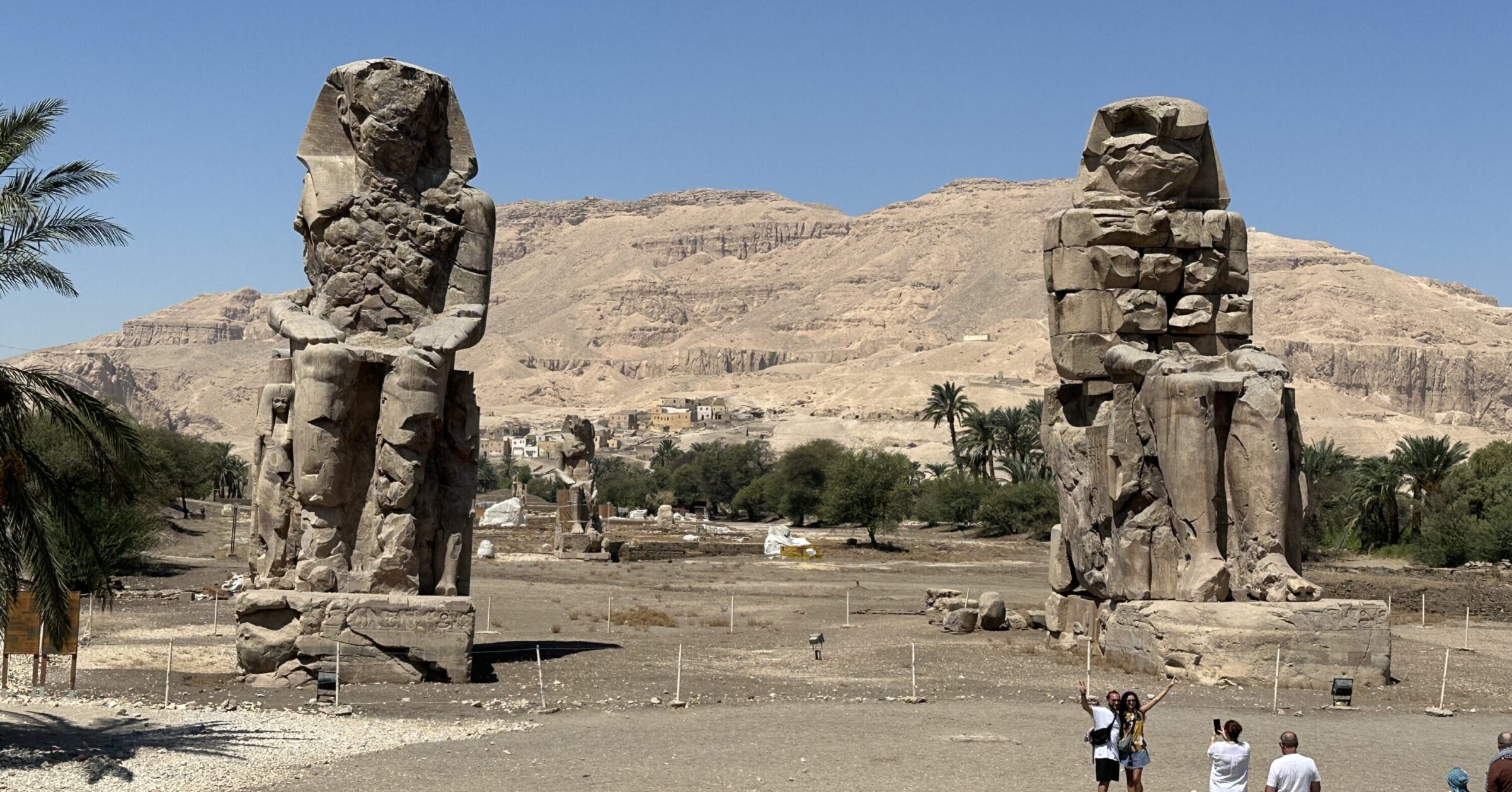
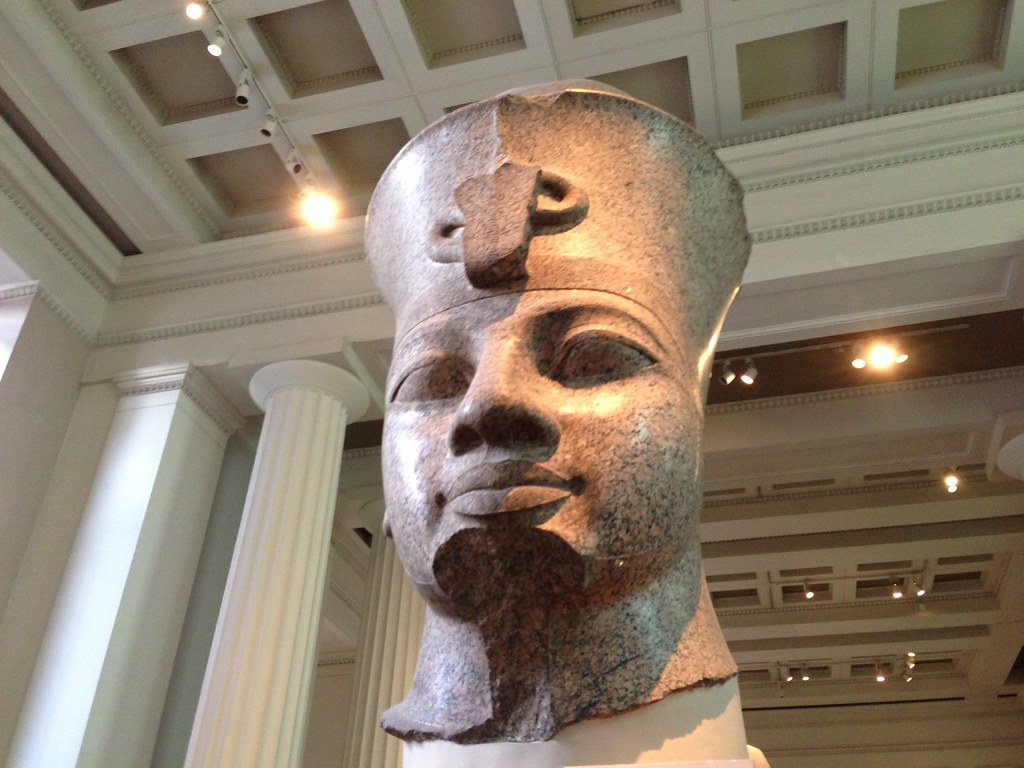
Amenhotep III ruled during Egypt’s Eighteenth Dynasty, dated in the traditional high chronology to approximately 1417–1379 BC. His reign was distinguished by major building projects, royal artistic commissions, and far-reaching diplomatic relationships. Among his surviving monuments are the Colossi of Memnon and portions of Luxor Temple.
Amenhotep III and the Biblical Timeline
According to the Egyptian high chronology and the biblical record, Amenhotep III would possibly have reigned during Israel’s wilderness wandering, with his reign perhaps extending into the period of the conquest of Canaan.
With its restored paintings and subterranean architecture once again accessible, WV22 provides a remarkable look into Egypt’s royal funerary traditions and the conservation work required to preserve them for future generations.
Sources & Further Reading
- UNESCO. “Promoting Heritage Preservation for Sustainable Tourism in Egypt.” March 10, 2026.
- UNESCO. “Fostering Partnership for Heritage Conservation in Egypt.” April 27, 2024.
- Associated Press. “Egypt Reopens Amenhotep III’s Tomb After Over 20 Years of Renovation.” October 4, 2025.
- UNESCO/Japan. “Wall Paintings of the Royal Tomb of Amenhotep III, Egypt.”