
Explore Egypt’s archaeology, geography, ancient history, and biblical background through in-depth articles connecting the physical landscape of Egypt with Scripture and the ancient world.
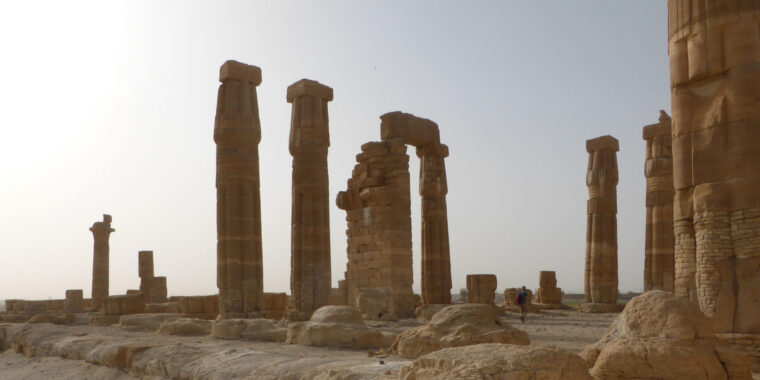
Shasu of Yahweh: The Soleb Inscription and the Name of Israel’s God
Examine the Soleb Inscription, the Shasu associated with Yahweh, the Egyptian signs behind the name, and the inscription’s significance for the biblical world of the Exodus.
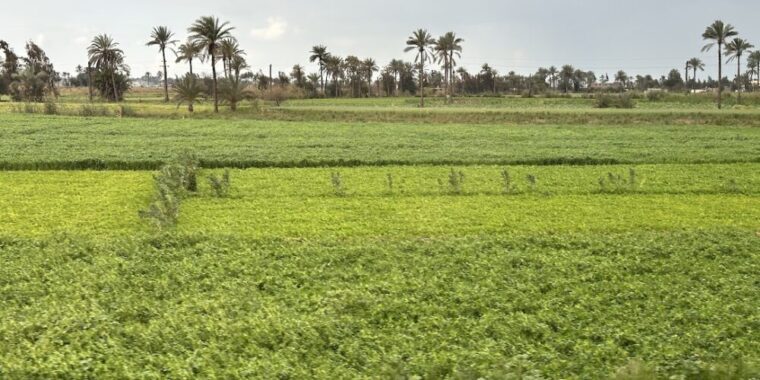
Rameses Before Ramesses? Avaris, Pi-Ramesses, and the Place-Name of the Exodus
Follow the history of Avaris, Peru-nefer, Qantir, and Pi-Ramesses to see why the biblical name Rameses fits naturally as a later place-name update within an early Exodus chronology around 1446 BC.
When Did the Exodus Happen?
Examine the biblical chronology behind a 1446 BC Exodus, including the 480 years of 1 Kings 6:1 and Jephthah’s 300 years in Judges 11:26.
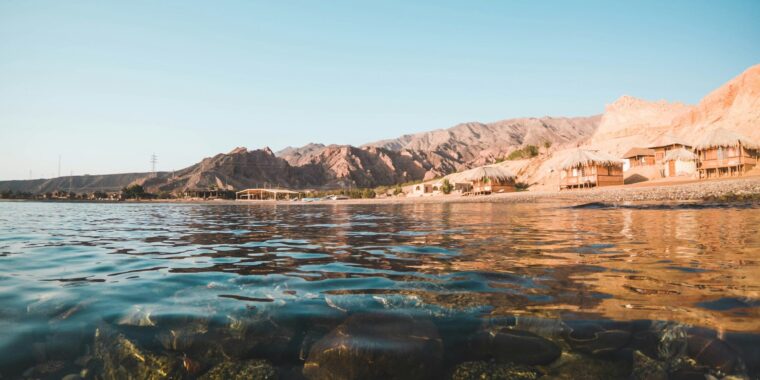
Where Did Israel Cross the Red Sea? Examining the Major Exodus Crossing Theories
Compare the leading proposals for the Exodus sea crossing, from the northern lakes and Bitter Lakes to the Gulf of Suez, Nuweiba, and the Straits of Tiran.
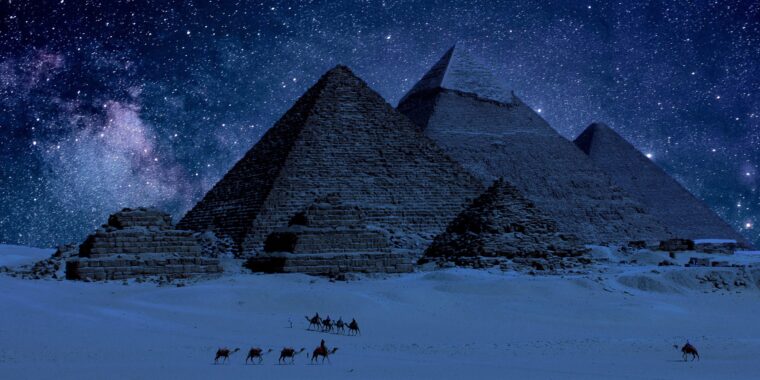
Where Was the Heliacal Rise of Sothis Observed?
Explore the astronomical and geographic questions behind one of the most influential chronological markers in ancient Egyptian history.
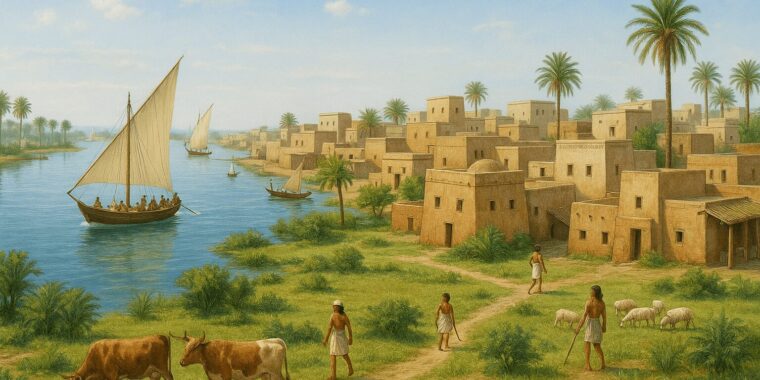
Avaris: The Forgotten Capital of the Hebrews in Egypt
Examine the eastern Nile Delta city of Avaris and its significance for biblical history, archaeology, and the world of Joseph and the Israelites.
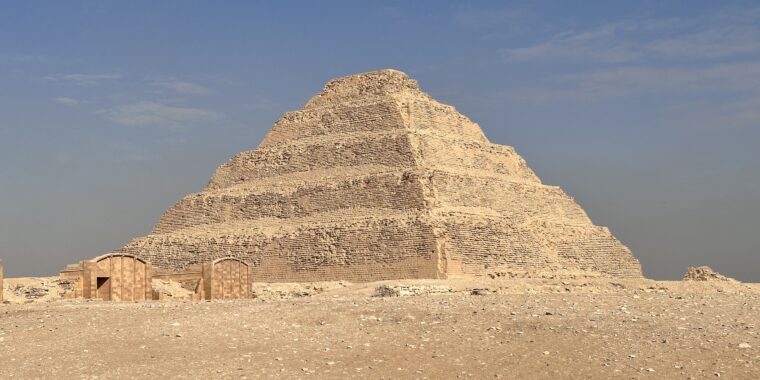
The Step Pyramid of Djoser at Saqqara
Discover why Djoser’s Step Pyramid transformed Egyptian architecture and why Saqqara remains one of the most important archaeological landscapes in Egypt.
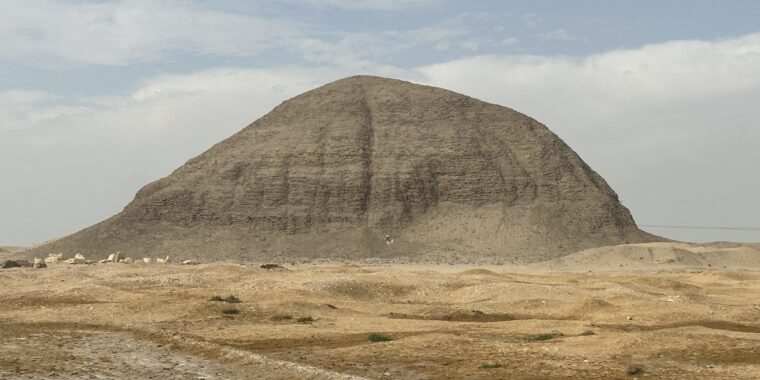
Bricks Without Straw?
Look at mudbrick construction in ancient Egypt and the material culture behind the biblical account of Israelite brickmaking.
Go deeper with the Biblical Egypt Travel Guide
Explore biblical locations, archaeological sites, and travel resources throughout Egypt.