Ramesses II Basalt Stele Restored at Cairo’s Egyptian Museum
A century-old museum display of one of Egypt’s best-known pharaohs has been given new life through conservation, relocation, and a redesigned presentation in Cairo.
DATE: August 20, 2026
SUBJECT: Restoration and redisplay of a basalt stele of Ramesses II
LOCATION: Egyptian Museum, Tahrir Square, Cairo, Egypt
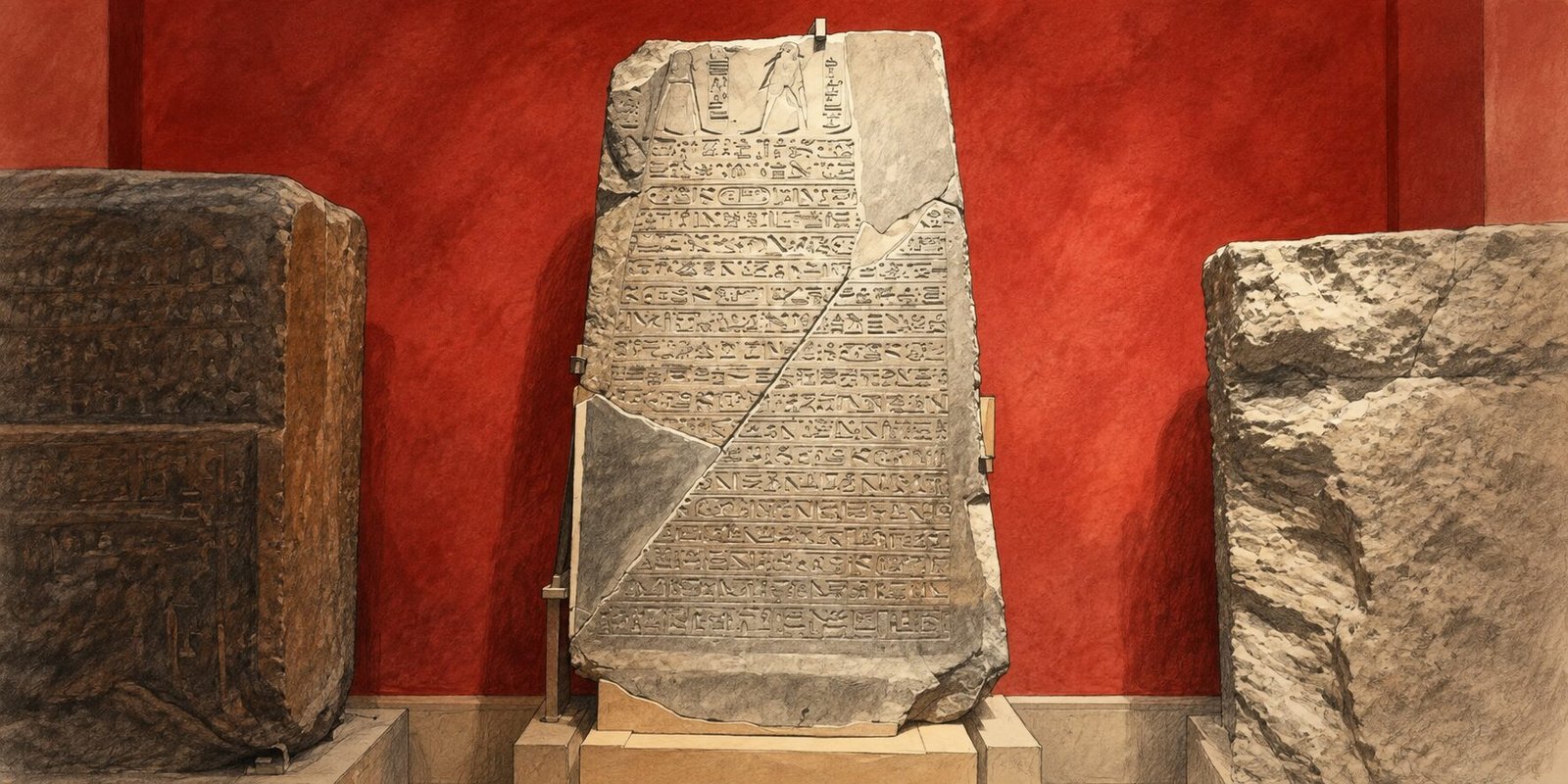
The Egyptian Museum in Cairo has completed the restoration and redisplay of a large black-basalt stele of Ramesses II, one of the most recognizable rulers of Egypt’s New Kingdom. The monument, which measures approximately 2.4 meters high by 1.1 meters wide, has been displayed in the museum for more than a century and was originally discovered in two separate pieces.
According to Egypt’s Ministry of Tourism and Antiquities, the conservation work formed part of the museum’s continuing effort to reorganize its collections within clearer historical, cultural, and religious contexts. The older restoration materials and wooden support around the stele were removed, the joins between the two sections were treated, and the monument was placed in a new freestanding display between two other stelae of Ramesses II.
A New Presentation for an Old Monument
The work was overseen by specialists from Egypt’s Supreme Council of Antiquities using approved conservation methods. The new installation also includes panoramic lighting intended to make the stele’s carved details easier to see.
Dr. Ali Abdel Halim, director-general of the Egyptian Museum, also addressed photographs that had circulated on social media during the conservation process. Some posts claimed that cement had been used to repair the monument. Abdel Halim rejected those claims, stating that cement was not used at any stage and that the circulating images showed the stele while work was still underway rather than in its completed condition.
This is a useful reminder of how easily an archaeological conservation project can look alarming in the middle of the process. Supports, temporary fills, clamps, cleaning stages, and exposed joins can all appear very different from the final presentation. In this case, the museum has now completed the work and placed the stele back on public view.
Ramesses II and the World of the Exodus
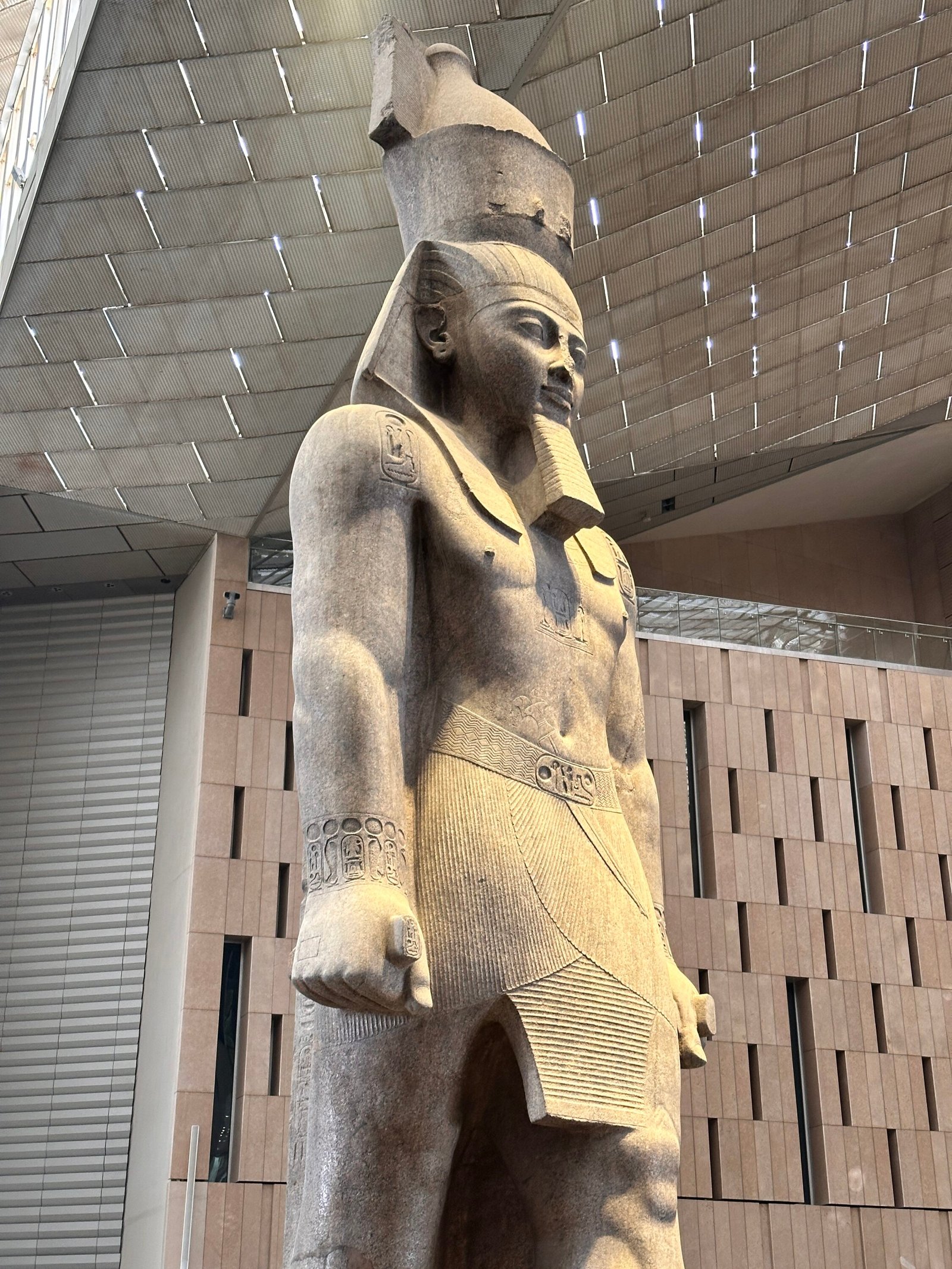
Ramesses II naturally attracts attention whenever his name appears in the news because he has long been one of the most popular candidates for the pharaoh of the biblical Exodus. That identification is common in documentaries and popular treatments of Egyptian history, although it is far from the only chronological reconstruction.
Egypt Christian Tours does not treat Ramesses II as the Exodus pharaoh. Within the biblical chronology and historical model we use, the Exodus belongs earlier, within the 18th Dynasty, with Amenhotep II providing the stronger historical fit. Ramesses II remains important to the biblical world, however, because his reign stands within the broader history of Egypt, Canaan, imperial roads, cities, monuments, and traditions that form the setting around the biblical text.
That distinction matters when reading archaeological news. A monument can be directly connected with Ramesses II without automatically becoming evidence for the Exodus itself. The stele is valuable first as a surviving royal monument and as part of the physical record of one of Egypt’s most powerful kings.
The Egyptian Museum Is Still Changing
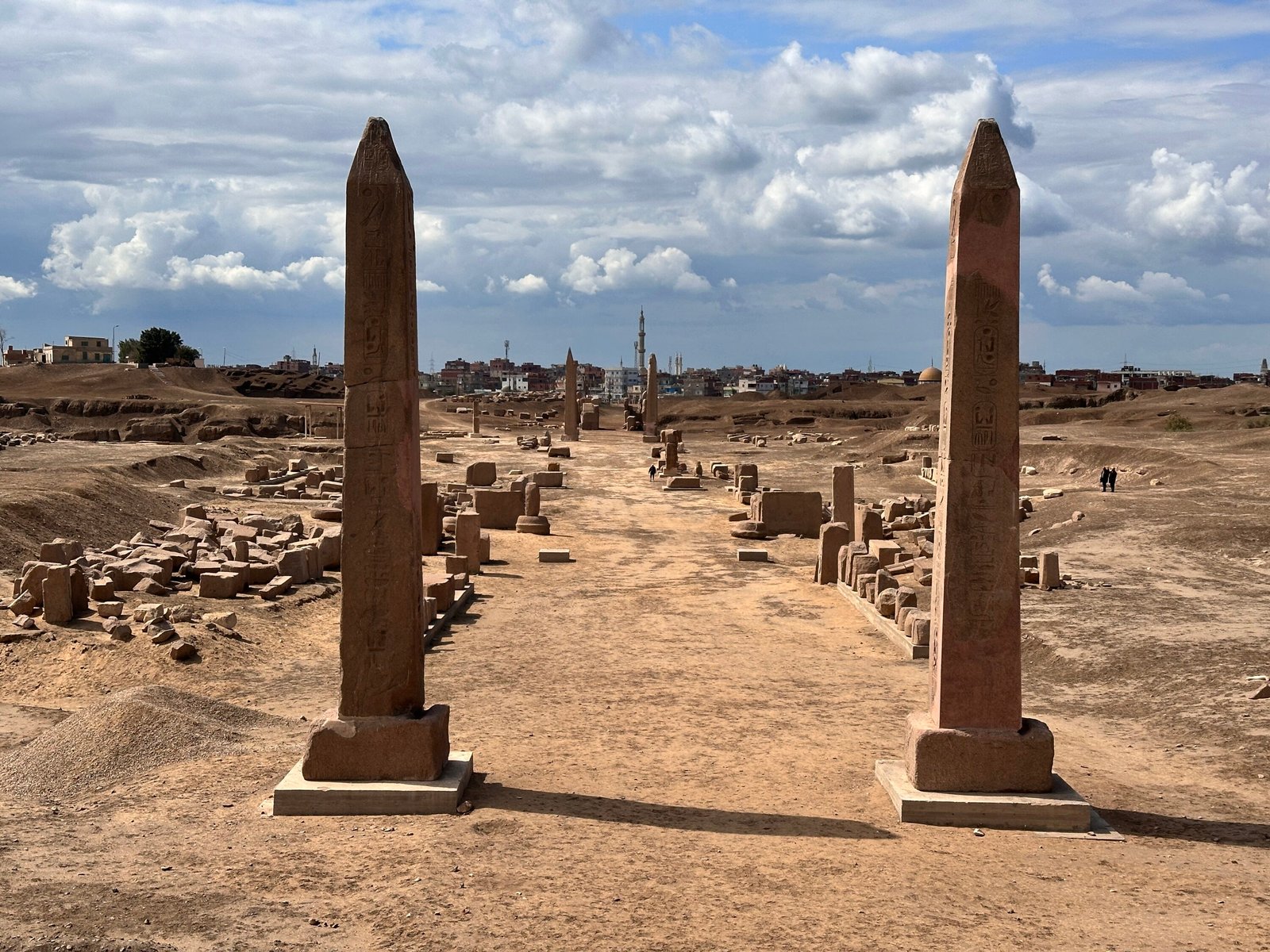
The conservation project is also a reminder that the Egyptian Museum in Tahrir remains an active museum rather than simply a historic building frozen in time. Even with the Grand Egyptian Museum now receiving many of Egypt’s most famous royal objects, the older Cairo museum continues to conserve, reorganize, and reinterpret the enormous collection that remains there.
For travelers, that means a return visit can still reveal something new. Objects that have stood in the same building for generations may be moved, cleaned, relit, or presented in a way that makes details visible that were easy to miss before.
Archaeology is not only about finding something new in the ground. Sometimes the story advances because an object known for a century is conserved well, placed in better context, and allowed to speak more clearly than it did before.
For related object research, see the Colossal Statue of Ramesses II from Memphis. For the chronological question surrounding Ramesses II and the Exodus, see When Did the Exodus Happen?
Sources
- Egyptian Ministry of Tourism and Antiquities. “Completion of Restoration of a Stele of King Ramesses II at the Egyptian Museum in Tahrir.” August 20, 2026. Official announcement.
- Samir, Salwa. “Cairo Museum Completes Restoration of Ramses II Basalt Stela.” Egyptian Gazette, August 20, 2026. Report.
- Sela-Eitam, Miriam. “Cairo’s Egyptian Museum Completes Restoration, Relocation of Ramesses II Basalt Stele.” The Jerusalem Post, September 5, 2026. Report.