How to Handle Street Vendors and Persistent Sellers in Egypt
How to Shop, Say No, Bargain Fairly, and Keep Moving Without Turning Every Encounter into a Battle
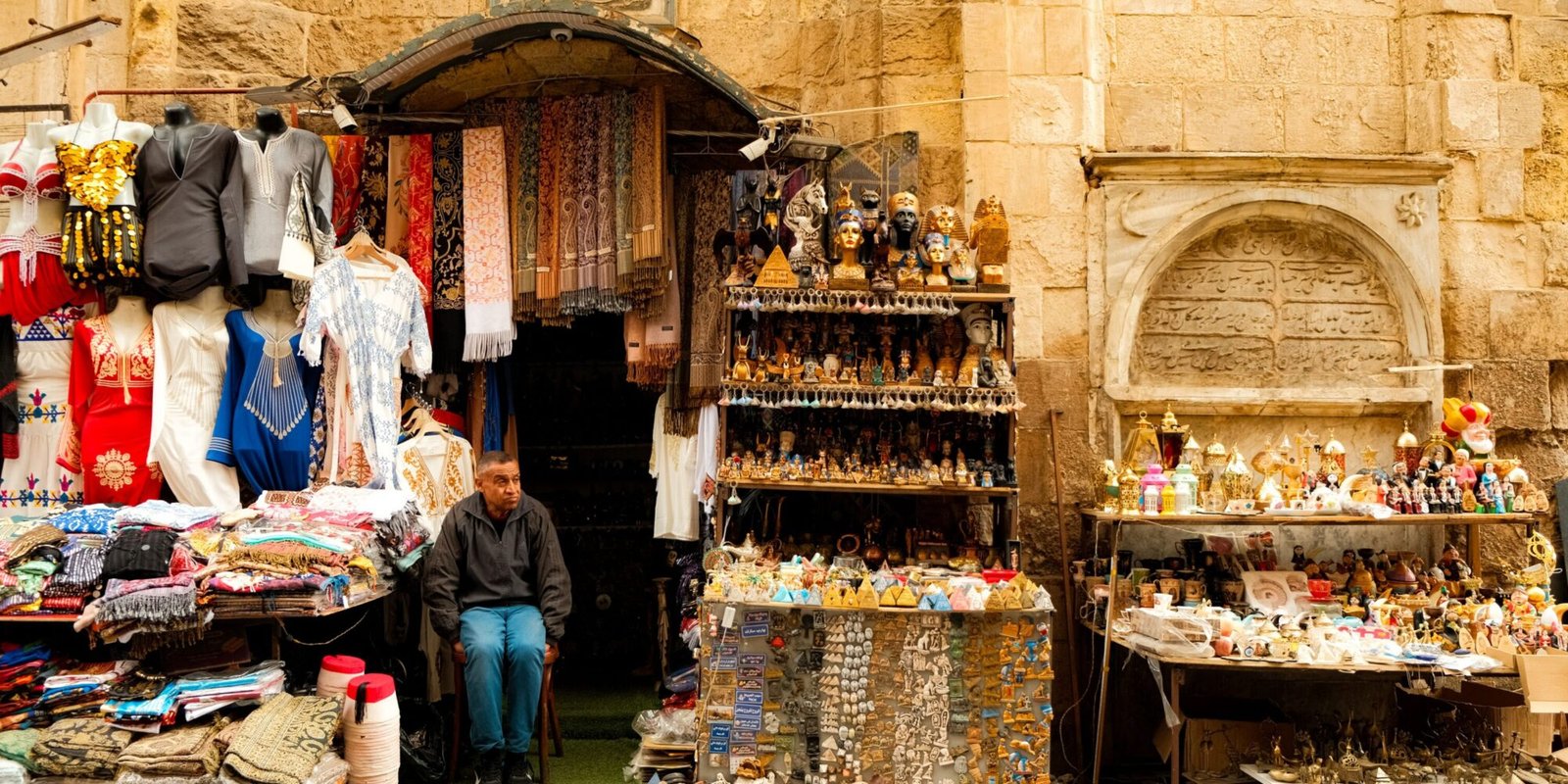
After enough days guiding around Egypt’s archaeological sites, markets, and tourist districts, I can tell you that sooner or later someone is going to try to sell you something. Maybe it is a scarf at Khan el-Khalili, a carved souvenir near a temple, postcards at Giza, or a handful of small statues outside an archaeological site. Sometimes the approach is casual. Sometimes it is persistent enough that first-time visitors are not quite sure how to respond.
The important thing to understand is that this is normal. Selling to visitors is part of the tourism economy, bargaining is common, and an energetic sales pitch is not necessarily hostility. At the same time, you are never obligated to buy something simply because someone has started talking to you.
The trick is learning how to be friendly without accidentally opening a negotiation you never intended to have.
A Polite No Works Better Than a Long Explanation
One of the biggest mistakes travelers make is trying to explain why they do not want something. “I already have one,” “I do not have any cash,” or “maybe later” can sound like the beginning of a conversation rather than the end of one.
In my experience, a simple “No, thank you” works better than almost anything else. In Arabic, la, shukran means “no, thank you,” and even a traveler who speaks no other Arabic can use it comfortably.
Say it pleasantly, keep walking, and do not feel that you need to justify the decision. If the seller continues, repeat it once and keep moving. The more you stop, look closely at the merchandise, ask questions, or begin explaining yourself, the more reasonable it will seem to the seller that you might actually be interested.
This is one of those cases where clarity is kinder than hesitation.
Do Not Start Bargaining Unless You Might Actually Buy
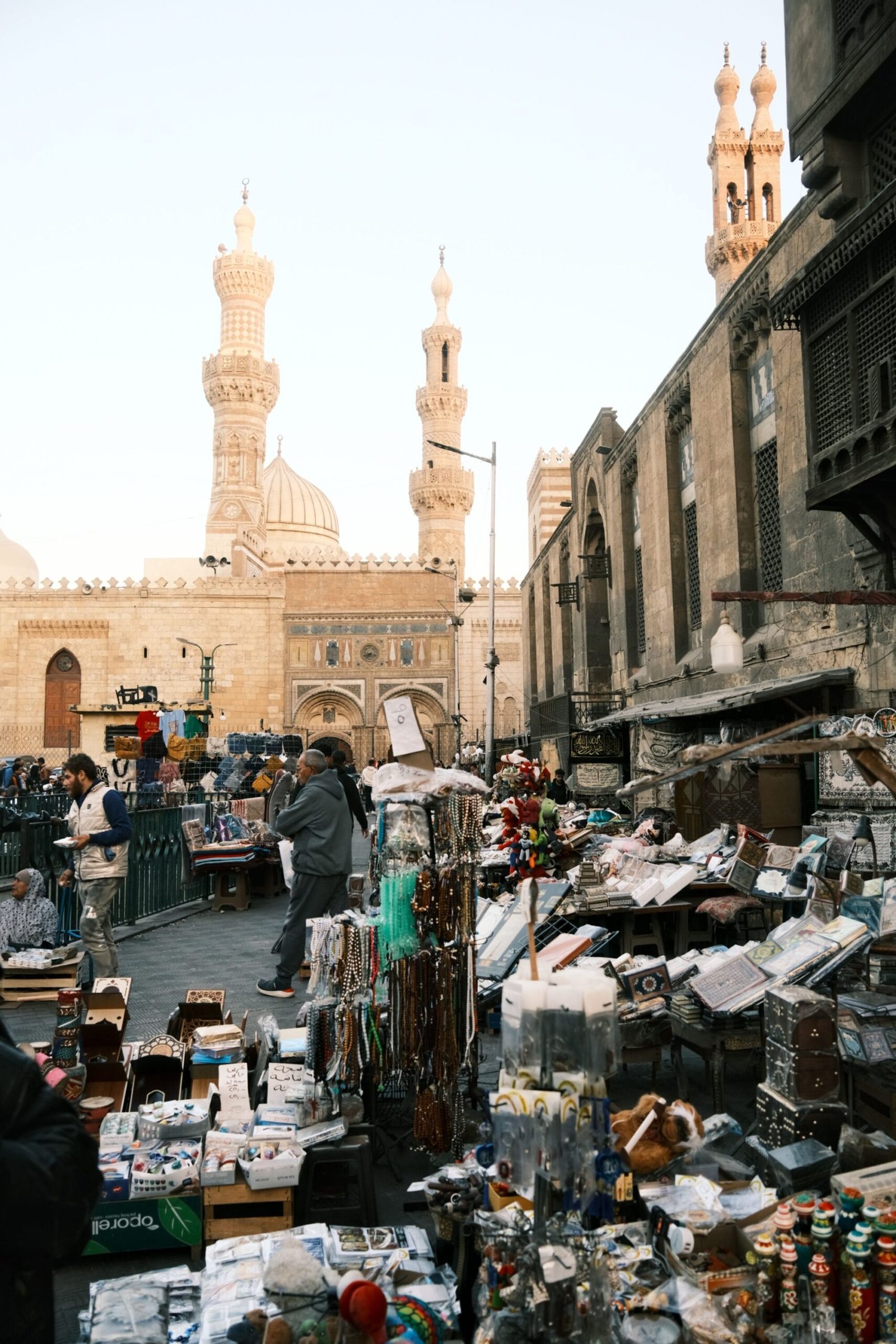
In many Egyptian markets, the first price you hear is the beginning of a negotiation rather than the final price. Bargaining can be fun, and it is part of the experience in places such as Khan el-Khalili and many souvenir markets.
But there is an unwritten courtesy to it. Once you begin seriously negotiating a price, the seller reasonably assumes there is a real possibility of a sale. If you have absolutely no intention of buying the item, it is better not to ask for the “best price” just to see how low someone will go.
If you are interested, decide what the item is worth to you and negotiate from there. You do not need to win some imaginary contest against the seller. The goal is simply to reach a price that both sides can live with.
And remember that the difference between a price you consider excellent and one you consider merely good may amount to only a few dollars. Bargaining is part of the culture. Grinding someone down over an amount that means very little to you can turn an enjoyable exchange into something unnecessarily adversarial.
“Just Look” Usually Means the Conversation Has Started
Sellers know that visitors are more likely to buy once they stop moving. That is why you may hear phrases such as “just look,” “no pressure,” “special price,” or “for you, my friend.” None of that is sinister. It is salesmanship.
But if you step into the shop, pick up several items, ask where they were made, and start talking about prices, you have moved from passing traveler to potential customer. That is fine if you actually want to shop. It is less helpful if your group is disappearing around the corner while you are trying to figure out how to leave politely.
If you want to browse, browse. Egypt has wonderful markets, and shopping can be one of the most enjoyable ways to interact with local people. Just make the decision intentionally rather than being surprised when “just looking” turns into a ten-minute negotiation.
Be Careful with “Gifts” and Unrequested Services
One common sales technique is to place something in your hand, put a scarf around your shoulders, hand a toy to a child, or describe a small item as a “gift.” Sometimes it really is a friendly gesture. Other times the expectation of payment appears a few seconds later.
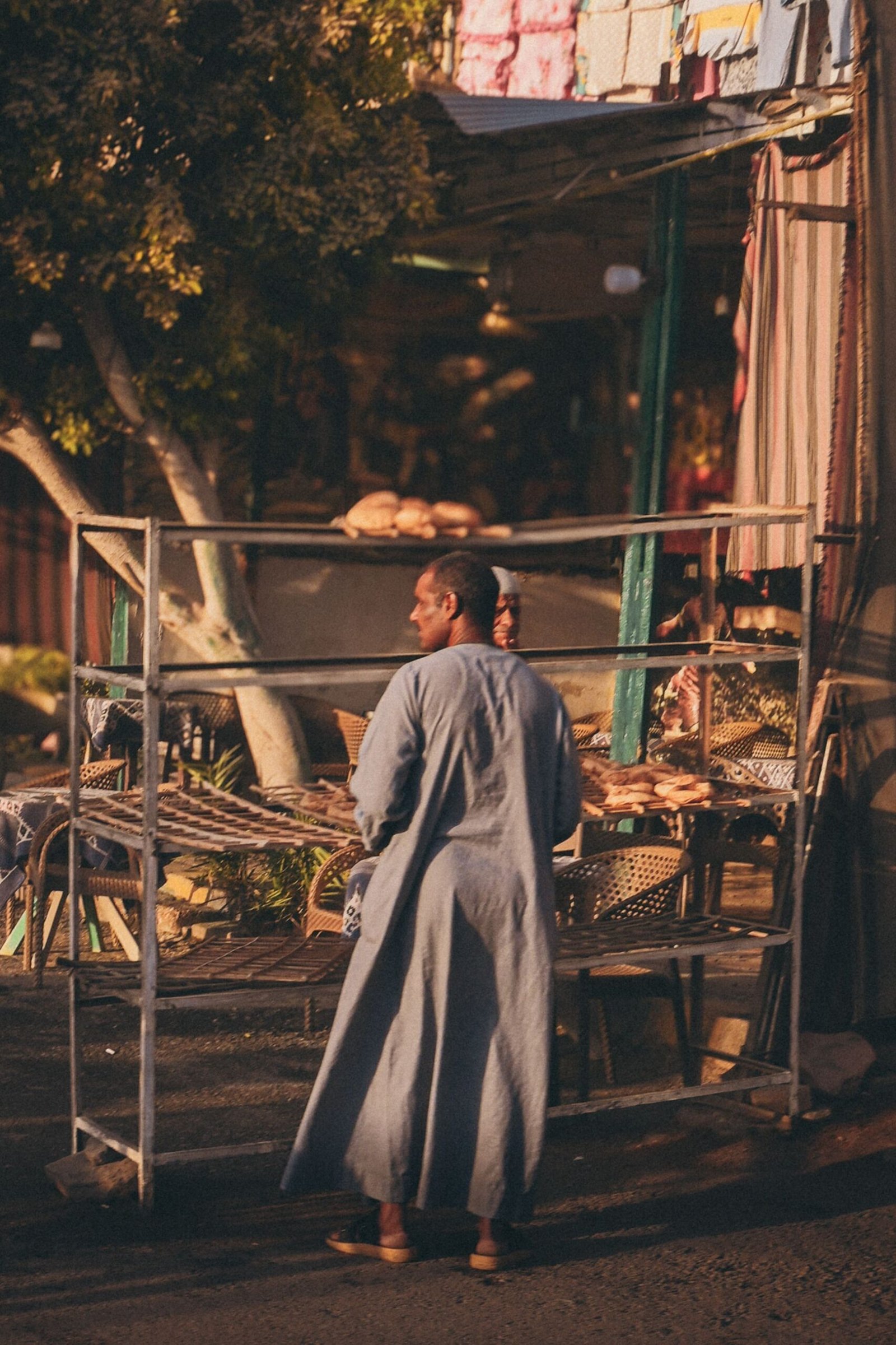
The easiest approach is not to accept an item you do not want. Smile, say no thank you, and hand it back immediately if necessary.
The same principle applies to unrequested services. Someone may offer to take your photograph, show you a viewpoint, help with a camel, guide you through an entrance, or point out something nearby. In some settings, a small tip may be expected afterward. If you want the help, that can be perfectly fine. If you do not, decline before the service begins.
This is closely related to baksheesh and tipping in Egypt. A little clarity at the beginning prevents awkwardness at the end.
At Giza, Agree on the Whole Price Before You Begin
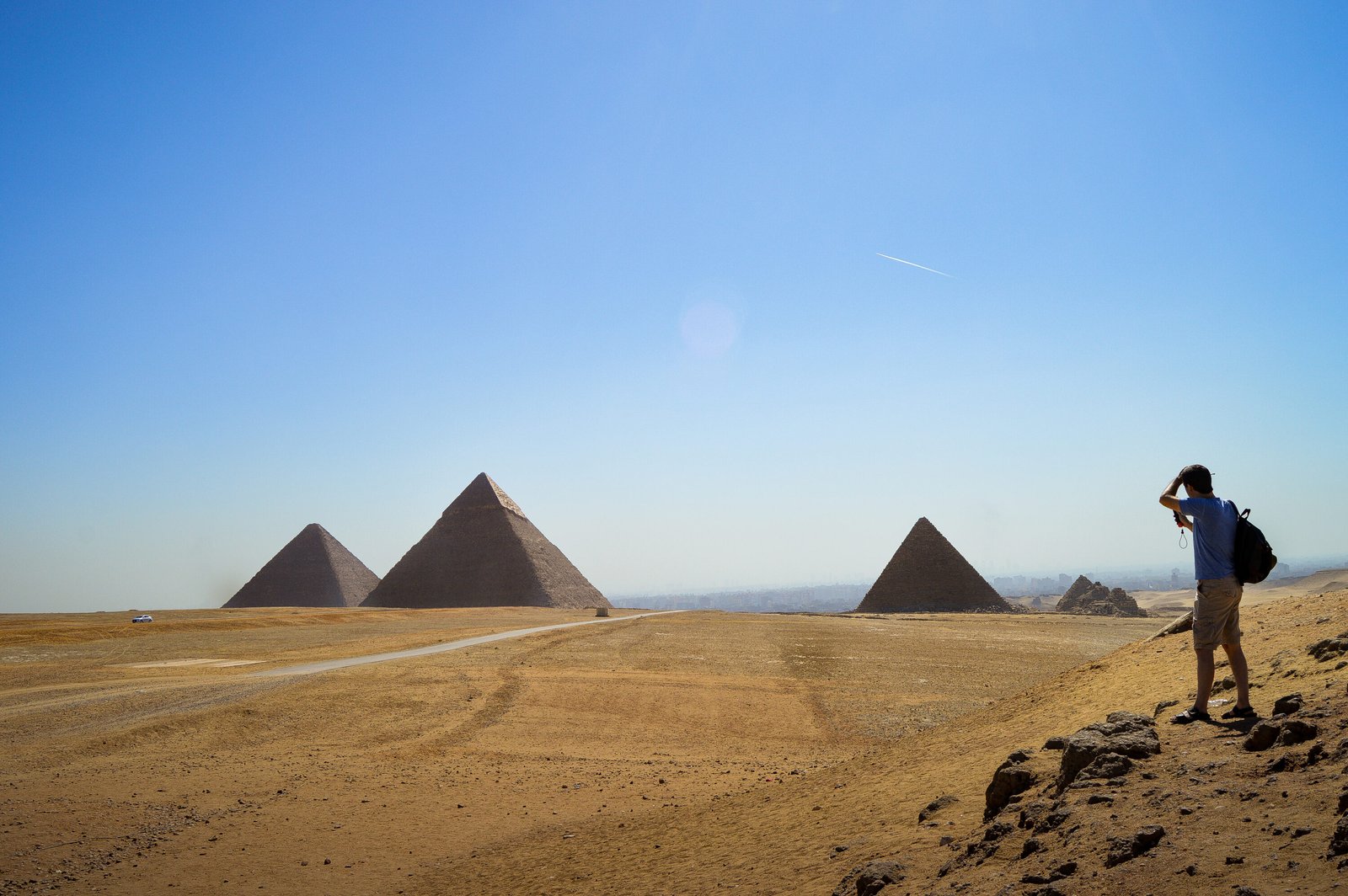
Giza deserves a special mention because activities around the plateau can involve more than simply buying souvenirs. Camel rides, horse rides, carriage rides, photographs, and other services may be offered as you move through the site.
Before accepting one of these services, make sure you understand the total price and exactly what is included. Ask whether the price is per person, per animal, per ride, or for the whole group. If there is a return ride involved, make sure that is included too.
Do not assume that a vague opening price covers everything you have in mind. Clear agreement before you start is much easier than sorting out a disagreement afterward.
If you are traveling with an experienced guide or organized group, this is one of the advantages of staying close to your guide. Local guides know the normal rhythm of these interactions and can often tell immediately when an offer is reasonable or when it is better simply to keep walking.
You Are Allowed to Keep Walking
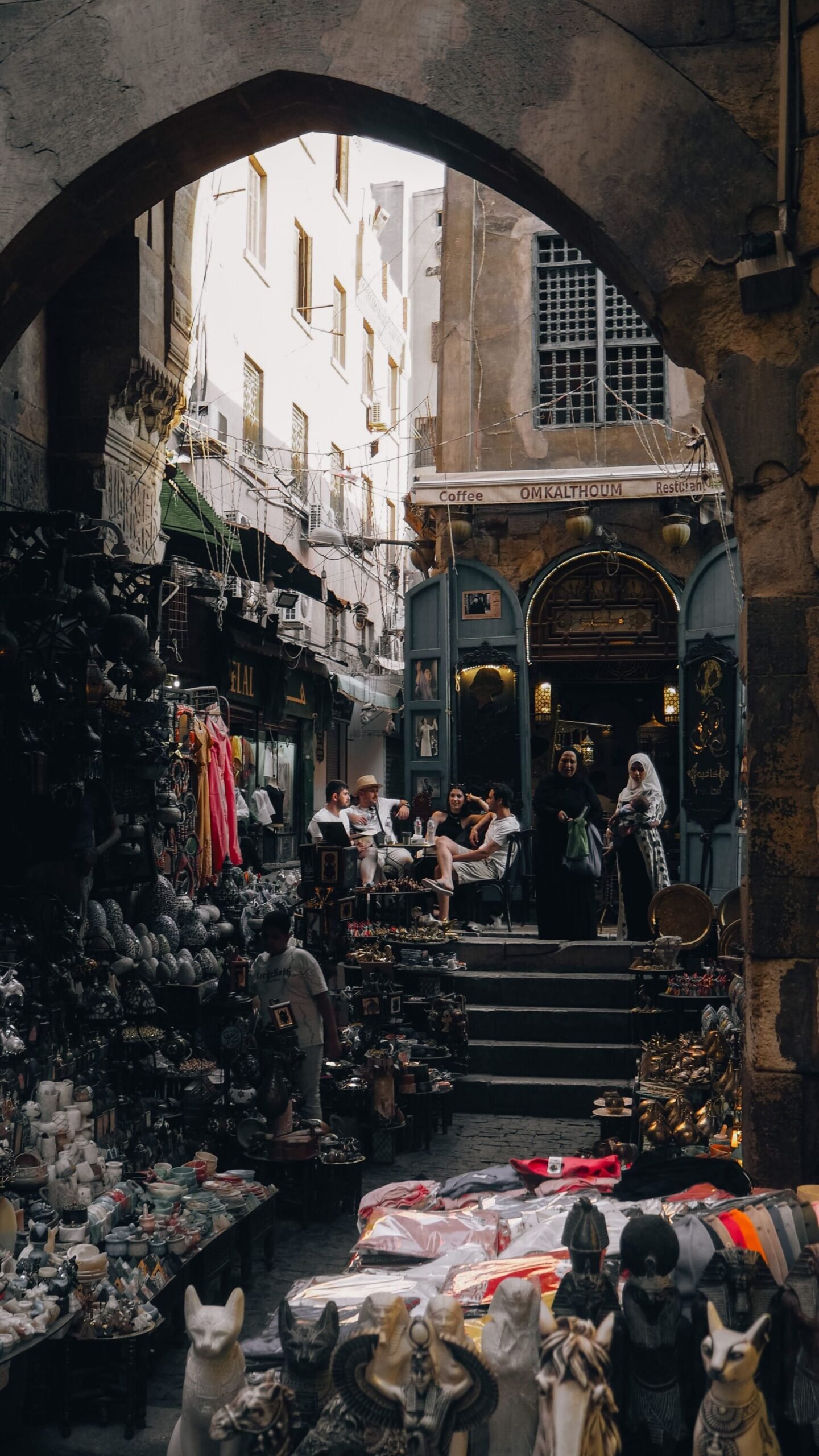
Persistent selling can feel uncomfortable to travelers from cultures where a salesperson usually backs away after the first refusal. In Egypt, a second or third attempt is not unusual.
That does not mean you need to become rude. Keep your answer short, keep moving, and avoid getting drawn into a debate. If someone walks alongside you for a few steps, you can continue toward your destination without engaging further.
Body language matters. If you stop, turn fully toward the seller, examine the item, and continue answering questions, you are signaling interest even while your words say no. A friendly refusal combined with forward motion is much clearer.
If a situation ever moves beyond ordinary persistence and you genuinely feel unsafe or harassed, move toward your guide, group, site staff, security personnel, or a more populated area. That is different from normal marketplace salesmanship and should be treated differently.
Do Not Let Fear Ruin the Markets
There is another mistake travelers sometimes make after hearing stories about aggressive vendors: they become so defensive that every seller is treated as a threat.
That is a shame, because some of the most memorable interactions in Egypt happen in markets and small shops. You may drink tea while looking at carpets, laugh through a completely theatrical round of bargaining, learn how something is made, or have a conversation with a shopkeeper whose family has worked in the same trade for years.
Egyptian markets are lively by nature. Selling is direct, conversation is part of the process, and bargaining often has an element of performance to it. You can enjoy all of that without becoming an easy target for pressure.
Be open when you want to shop. Be clear when you do not.
A Few Habits Make Everything Easier
Keep small purchases separate from your main wallet so you are not displaying all of your cash every time you buy something. Know roughly what you are willing to spend before you begin negotiating. Do not accept an item just because someone puts it in your hand. Agree on prices before accepting a service. And when you are finished, say so clearly.
I have watched this confidence develop quickly with travelers in our groups. The first persistent sales pitch may feel awkward. By the third day, you will probably smile, say “la, shukran,” and keep walking without giving it another thought.
That is the goal. Street vendors should not become the story of your trip. They are simply one part of the travel environment, and once you understand how the interaction works, they are much easier to navigate.
Firm, Friendly, and Fair
The best approach to vendors in Egypt is not aggression and it is not nervous politeness. It is a combination of friendliness and clarity.
If you are not interested, say no and keep moving. If you want to shop, enjoy the process and bargain in good faith. If you accept a service, agree on the price first. If someone is persistent, do not mistake persistence for an obligation to buy.
Most importantly, remember that the person trying to sell you a scarf, statue, bracelet, or camel ride is working. You can treat that person with dignity while still protecting your time, money, and boundaries.
That balance is what I try to help travelers find. Once you do, the markets become much more enjoyable, and the vendors become part of the texture of the trip rather than something you spend the day trying to avoid.

For more practical planning advice, visit our Egypt Travel Tips or explore the broader Biblical Egypt Travel Guide.