Tipping and Baksheesh in Egypt: What Travelers Should Know
A Practical Guide to Gratuities, Egyptian Pounds, and Foreign Currency
There is a small moment I have watched happen to almost every first-time visitor I have traveled with in Egypt. You step out of a hotel, finish a meal, use a restroom at an archaeological site, or accept a little help from someone nearby, and suddenly there is a question hanging in the air: should I tip?
In Egypt, the answer is often yes, but not always in the way travelers expect. Tipping is woven into everyday service culture, and the word you will hear most often is baksheesh. It can mean a normal gratuity, a small thank-you for a minor service, or a modest courtesy payment. Once you understand how it works, it stops feeling awkward and simply becomes part of traveling well in Egypt.
The easiest way to handle it is to prepare before you need it. Carry small Egyptian-pound notes, keep them separate from your main wallet, and understand when foreign currency is useful and when it is not. That simple bit of preparation makes a surprisingly big difference.
What Baksheesh Actually Means
 The word baksheesh is broader than the English word tip. In a restaurant or hotel, it may function exactly like a normal gratuity. In other situations, it can be a very small payment for a small act of assistance: carrying a bag, helping with a photograph, watching over a restroom, opening a restricted-looking doorway that is actually accessible, or providing some other minor service.
That does not mean you are expected to pay everyone who speaks to you. At heavily visited sites, especially around Cairo, Luxor, and major temple complexes, some people may offer help you did not ask for and then expect baksheesh afterward. If you do not want the service, a friendly but clear “no, thank you” is completely appropriate.
At the same time, it is worth remembering that many people working around tourism rely heavily on gratuities. A small tip that feels insignificant to a visitor may be meaningful to the person receiving it. The goal is not to hand out money indiscriminately, but to recognize genuine service and respond graciously.
Carry Money People Can Actually Use
Small Egyptian Notes Make Everything Easier
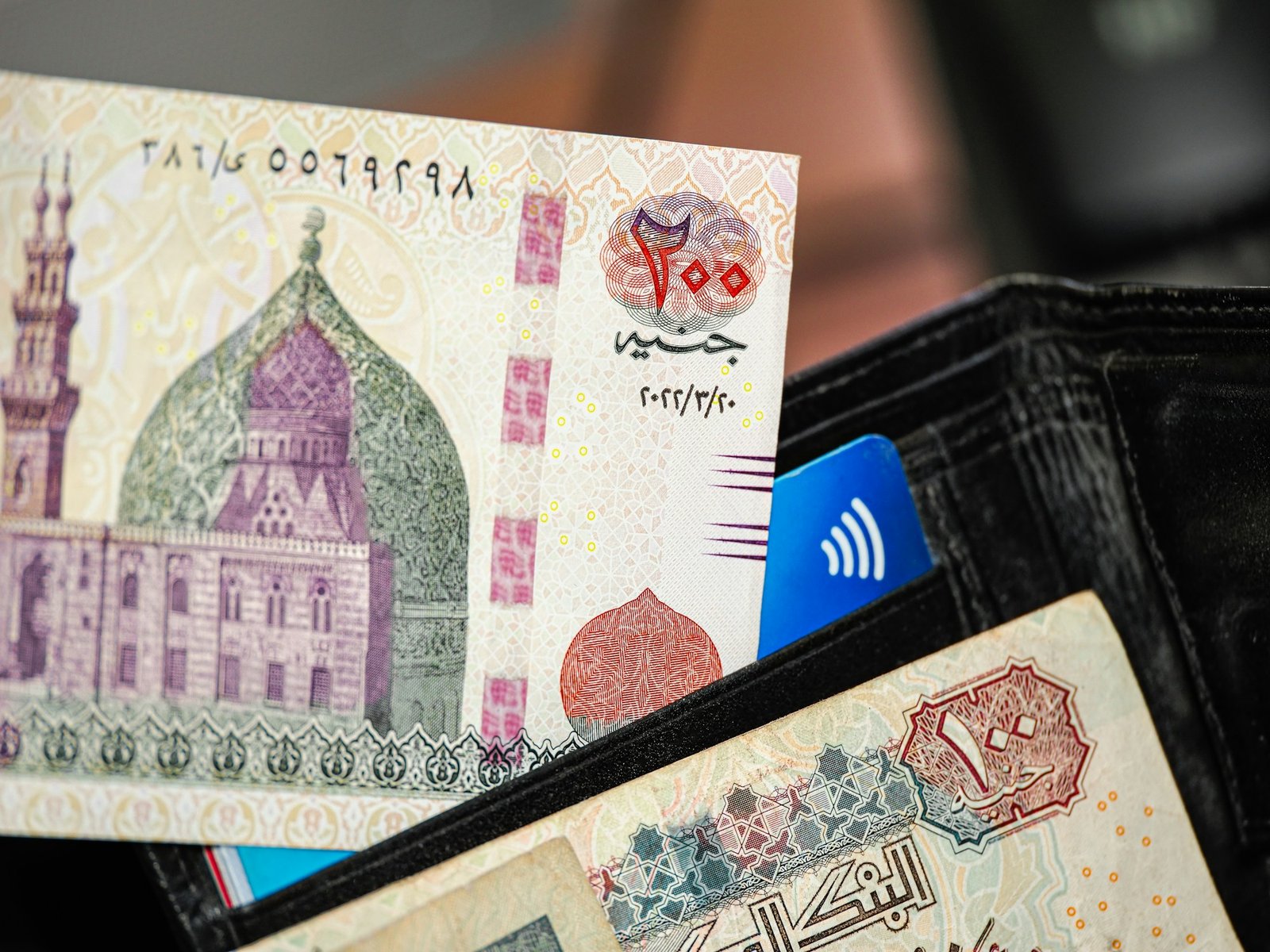
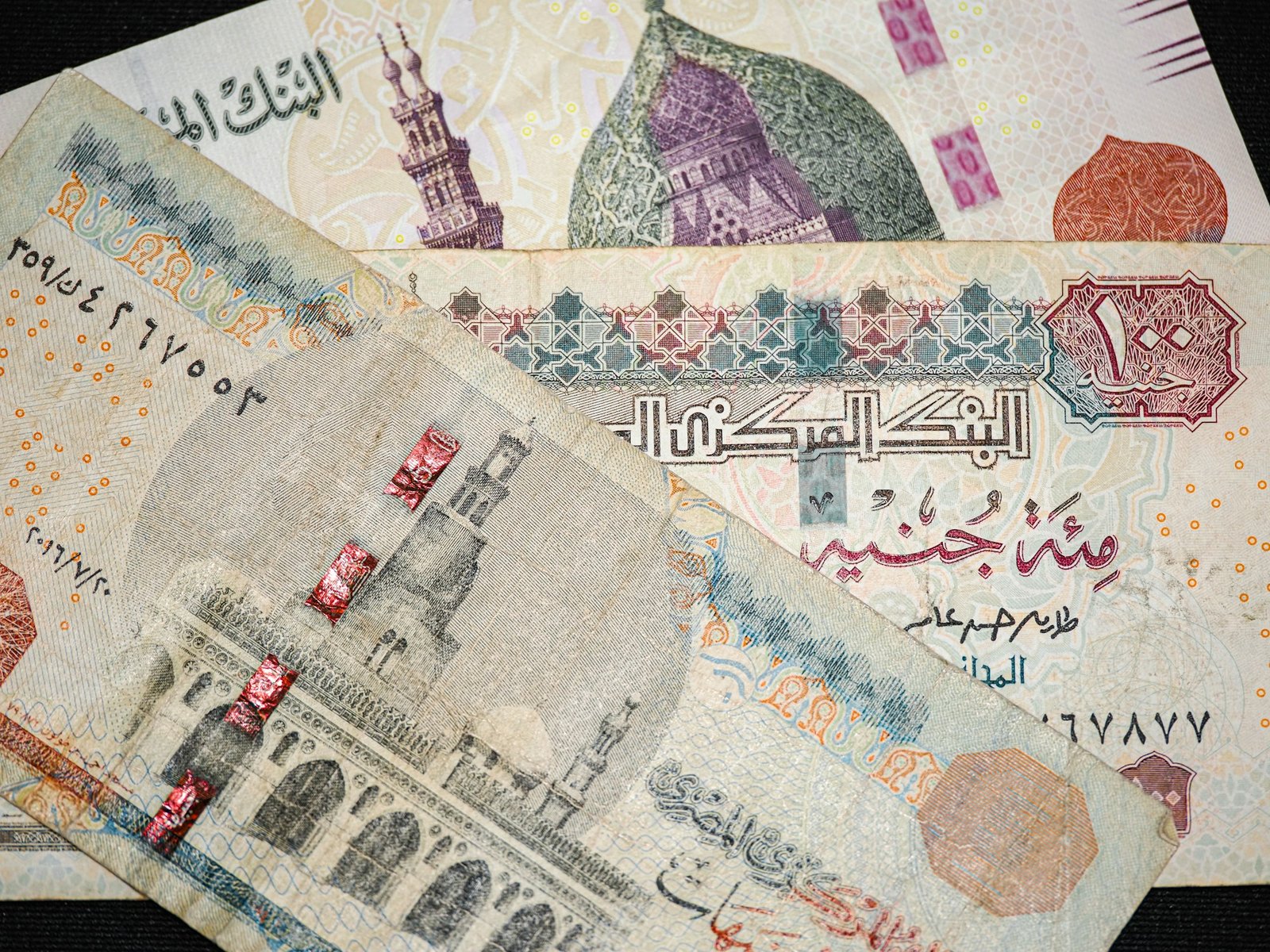
For everyday tipping, Egyptian pounds are usually the most practical choice. A driver, porter, restroom attendant, or local worker can spend Egyptian currency immediately. There is no need to exchange it, and no concern about whether a bank or exchange office will accept it.
The challenge is not having Egyptian pounds. The challenge is having the right size Egyptian pounds. If the only note in your pocket is a large denomination, a tiny courtesy tip suddenly becomes awkward. This is why I always recommend keeping a small supply of lower-value notes somewhere easy to reach. On the road in Egypt, I have found that this one little habit prevents a surprising amount of awkwardness.
Do not keep that tipping money buried inside your main wallet with your passport, cards, and larger cash. A front pocket, small travel pouch, or separate section of your bag works much better. It lets you handle ordinary baksheesh without displaying everything else you are carrying.
Using Dollars, Euros, and Other Foreign Bills
 Foreign paper currency can also be useful in Egypt, especially in the tourism industry. U.S. dollars, euros, and British pounds are familiar to many guides, drivers, hotel workers, and others who regularly work with international visitors. Small paper bills can be convenient when you do not have the right Egyptian denomination available.
There is one important rule, though, and it catches travelers off guard all the time: foreign bills need to be clean, crisp, and in very good condition.
A bill that is torn, badly creased, written on, stained, taped, or heavily worn may be perfectly spendable back home and still be difficult or impossible for someone in Egypt to exchange. Banks and exchange offices can be much stricter about the physical condition of foreign currency than most American travelers are used to.
That means the wrinkled dollar you have carried in your wallet for six months may not be much of a gift to the person receiving it. Before you travel, sort through the foreign cash you plan to bring and choose your best-condition notes. Newer, clean bills are far more useful than worn ones.
This matters especially if you are giving a larger gratuity in foreign currency. A worker should not have to wonder whether the money you handed him will actually be accepted when he tries to exchange it later.
Leave the Foreign Coins at Home
Foreign coins are different. A U.S. quarter, one-euro coin, British pound coin, or other foreign coin may technically have value, but that does not mean it is useful in Egypt.
Paper currency can often be exchanged. Foreign coins generally cannot. That means someone may accept a coin politely and then be left with something he cannot readily spend or convert into Egyptian pounds.
This happens more often than you might think. Travelers finish a trip with loose change in their pockets and assume that giving it away is better than taking it home. The intention is good, but the result is not especially helpful. If you want to tip in foreign currency, use paper bills. Do not use foreign coins. For small everyday baksheesh, Egyptian pounds are better anyway.
When Tipping Is Expected—and When It Is Not
Tipping in Egypt overlaps with many of the situations you already know from home. Hotel porters, housekeeping staff, drivers, guides, restaurant staff, and people providing personal service commonly receive gratuities. On a private or organized tour, your guide and driver may be among the most important people to tip because they are with you throughout the journey.
Then there are the distinctly Egyptian situations. Restroom attendants at archaeological sites may expect a very small gratuity. Someone may help you find the right entrance, point out a detail, carry something, or assist with a photograph. These are the situations where carrying small notes becomes especially useful.
What matters is whether a real service was provided. If someone is aggressively asking for money without doing anything, you are not obligated to pay simply because the word baksheesh was mentioned. A polite refusal is fine. The same is true when someone offers an unsolicited service at a tourist site. If you accept the help, assume a small tip may be expected. If you do not want to enter into that exchange, decline before the service begins.
On a Group Tour, Know What Is Already Covered
Organized tours make tipping easier, but only if you understand what is included. Some tour programs collect major gratuities in advance. Others provide recommended amounts but leave the actual tipping to travelers. Some cover guides and drivers while leaving smaller incidental tips to each traveler.
This is one of those details worth knowing before the trip begins. You do not want to spend a week independently tipping the same people whose gratuities have already been included in your tour cost.
On an Egypt Christian Tours journey, we explain what major gratuities are already handled and what small day-to-day situations you are still likely to encounter. That way you can enjoy the experience instead of constantly wondering whether you are supposed to pull out your wallet.
A Simple System That Works
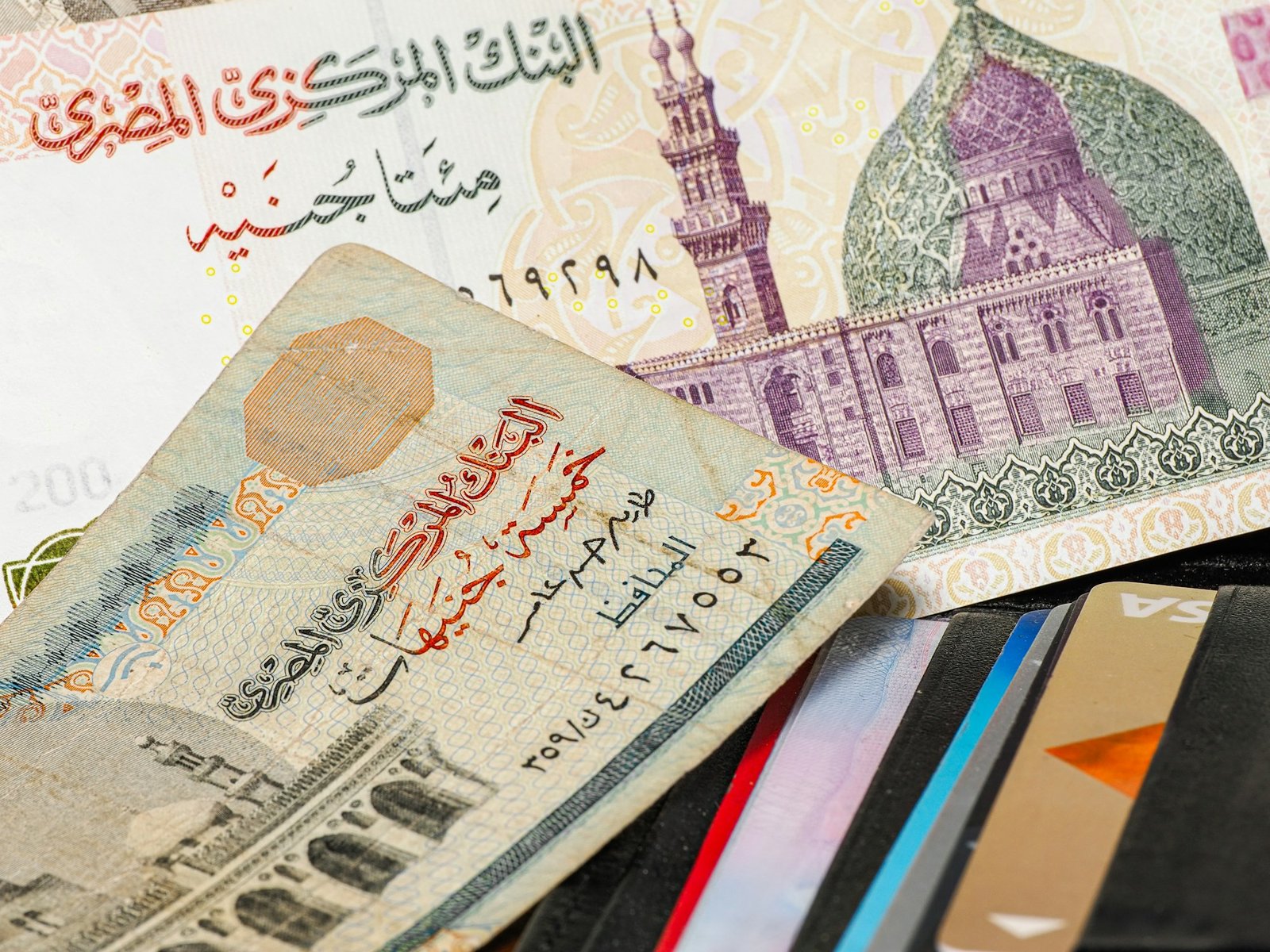
Before heading out each morning, carry a modest supply of small Egyptian-pound notes. Keep them somewhere easy to reach and keep your larger cash somewhere more secure. If you bring U.S. dollars or another foreign currency, reserve clean, crisp paper bills for situations where foreign currency makes sense.
Do not worry about learning some complicated formula for every possible interaction. Egypt is not a place where you need to calculate your way through every thank-you. Pay attention to the service being provided, carry useful denominations, and be generous without feeling pressured.
And leave the foreign coins at home.
After enough time traveling in Egypt, baksheesh stops feeling like a puzzle. I have seen that once travelers understand the rhythm of it, they relax almost immediately. It becomes one of those small cultural details that helps you move through Egypt more comfortably, more respectfully, and with far less second-guessing.

For more practical planning advice, visit our Egypt Travel Tips or explore the broader Biblical Egypt Travel Guide.