
2027 Total Solar Eclipse in Egypt: When, Where, and How to See It
A Practical Guide to the August 2, 2027 Eclipse over Luxor, Upper Egypt, and the Nile
There are few places on earth where I can imagine a total solar eclipse feeling quite like this one. On Monday, August 2, 2027, the Moon’s shadow will cross Egypt in the middle of the day, passing directly over Upper Egypt and almost directly over Luxor — ancient Thebes — where temples, tombs, obelisks, desert cliffs, and the Nile all sit beneath one of the longest periods of totality available anywhere along the eclipse path.
If Egypt has been on your travel list, this is an extraordinary year to go. But it is also the sort of event that rewards planning early. Luxor is already attracting eclipse travelers from around the world, and the practical questions are becoming just as important as the astronomy: Where exactly should you stay? Do you need to be at Karnak or the Valley of the Kings? How long will totality last? Will Cairo see it? What about Aswan? And how do you safely watch something that will happen almost directly overhead in the August sun?
Here is what I would want a traveler to know before building a trip around it.
Date: Monday, August 2, 2027
Best-known Egypt viewing base: Luxor
Luxor maximum eclipse: about 1:05 PM local time
Luxor totality: approximately 6 minutes 22 seconds
Overall maximum totality: about 6 minutes 23 seconds
Path width near greatest eclipse: roughly 258 km
When Will the 2027 Solar Eclipse Happen in Egypt?
The eclipse takes place on August 2, 2027. NASA lists it as a total solar eclipse crossing Spain, North Africa, Egypt, the Red Sea, and parts of the Arabian Peninsula before continuing eastward. The point of greatest eclipse is in Egypt, at roughly 25.5° north latitude and 33.2° east longitude. NASA calculates a maximum central duration of about 6 minutes 23 seconds. NASA’s eclipse path data is the best technical reference for the route.
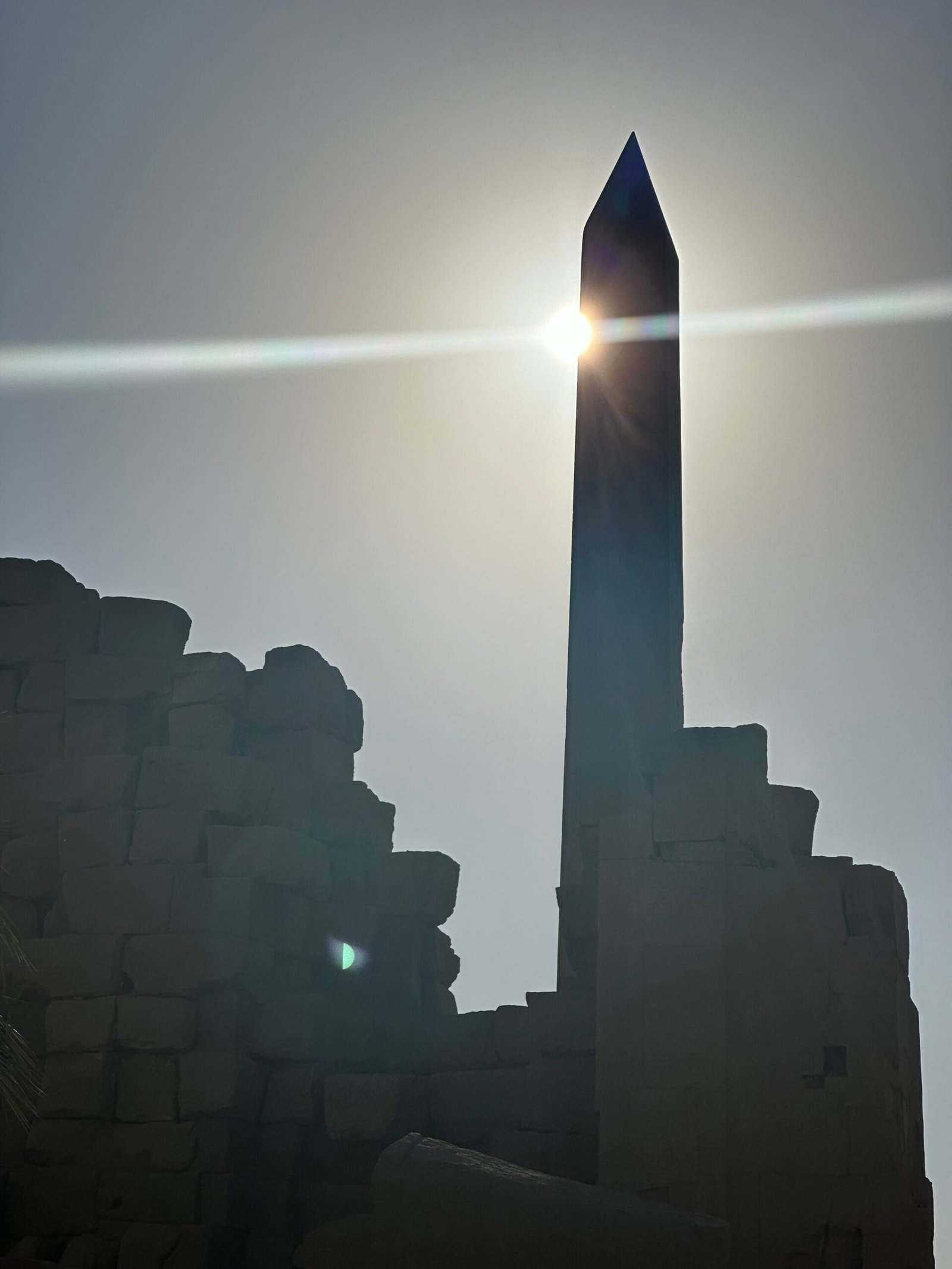
In Luxor, the partial phase begins at about 11:40 AM. Maximum eclipse comes at approximately 1:05 PM, and the partial phase finishes around 2:26 PM. Totality itself lasts about 6 minutes 22 seconds. Those times are local to Luxor and may be refined slightly as the date approaches. Timeanddate’s Luxor eclipse calculations are useful for following those local circumstances.
One detail matters more than it might seem: the Sun will be very high in the sky, close to 82 degrees above the horizon around maximum eclipse. You are not hunting for a clean eastern or western horizon. You need open sky overhead. A hotel garden, rooftop, Nile boat deck, or carefully chosen open area can be every bit as effective as a famous archaeological site.
Where Is the Path of Totality in Egypt?
The path cuts diagonally across Egypt from the Western Desert toward Upper Egypt and the Red Sea. It includes Siwa Oasis in the northwest and crosses the Nile Valley through the general region of Asyut, Sohag, Qena, and Luxor before moving southeast.
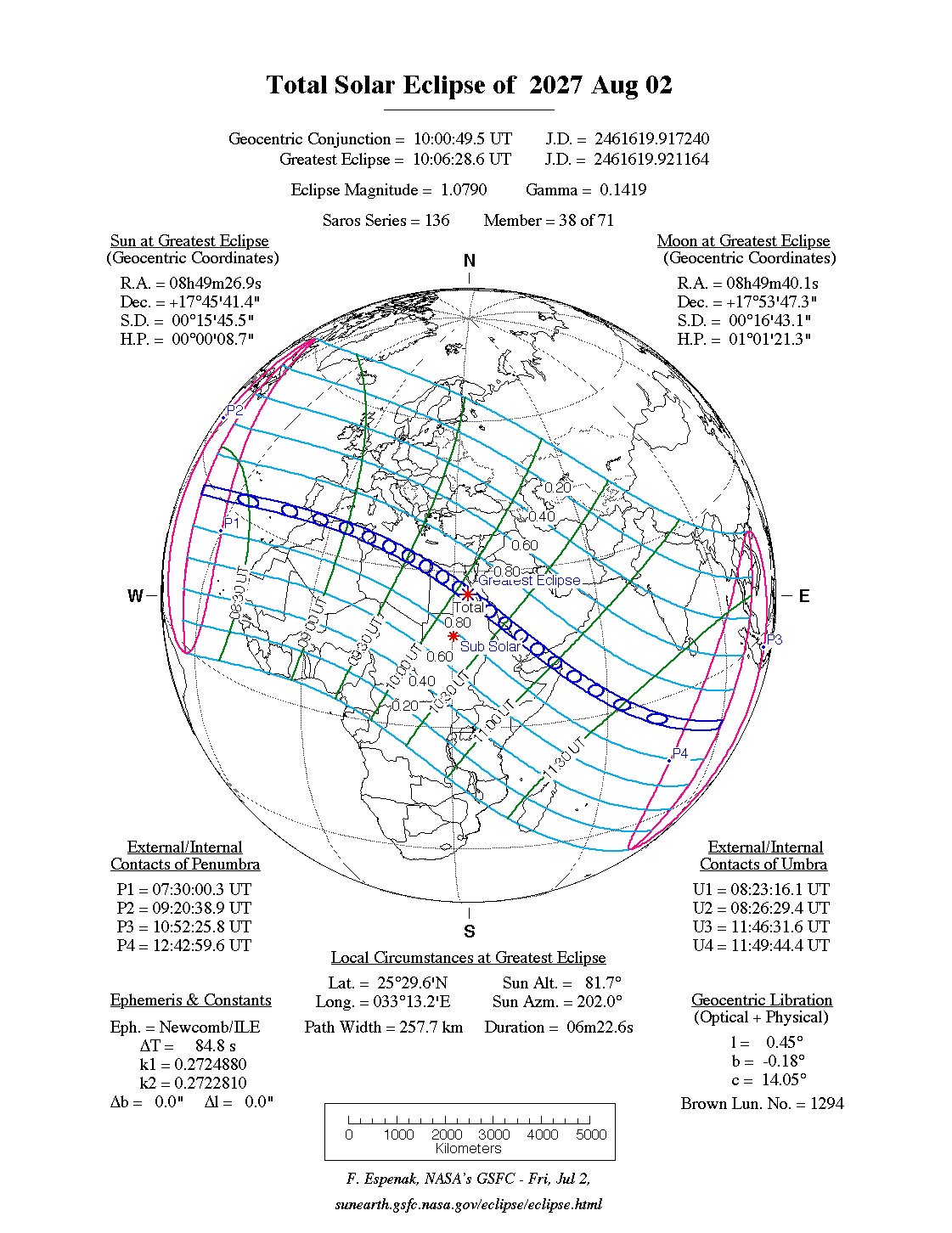
NASA’s path calculations place the greatest eclipse in Egypt and show the shadow band to be roughly 258 kilometers wide near maximum. The map here gives the larger regional picture. The important practical rule is simple: you must be inside the path of totality to experience totality. A 95 or 99 percent partial eclipse is impressive, but it is not the same event. The corona, the sudden darkness, and the extraordinary visual experience of totality only happen inside that narrow band.
That distinction matters for Cairo and Aswan. Cairo will see a deep partial eclipse, around 95 percent, but it is outside the totality path. Aswan comes tantalizingly close, with roughly 99.8 percent coverage, but it is still outside totality. If seeing a true total solar eclipse is the reason for your trip, do not base yourself in either city on eclipse day and assume “almost total” is good enough.
Best Place to See the 2027 Eclipse in Egypt: Luxor
For most international travelers, Luxor is the clear first choice. It combines nearly the maximum possible duration of totality with the tourism infrastructure needed to handle an Egypt trip: an airport, established hotels, Nile cruise vessels, guides, restaurants, transportation, and some of the most extraordinary ancient sites in the country.
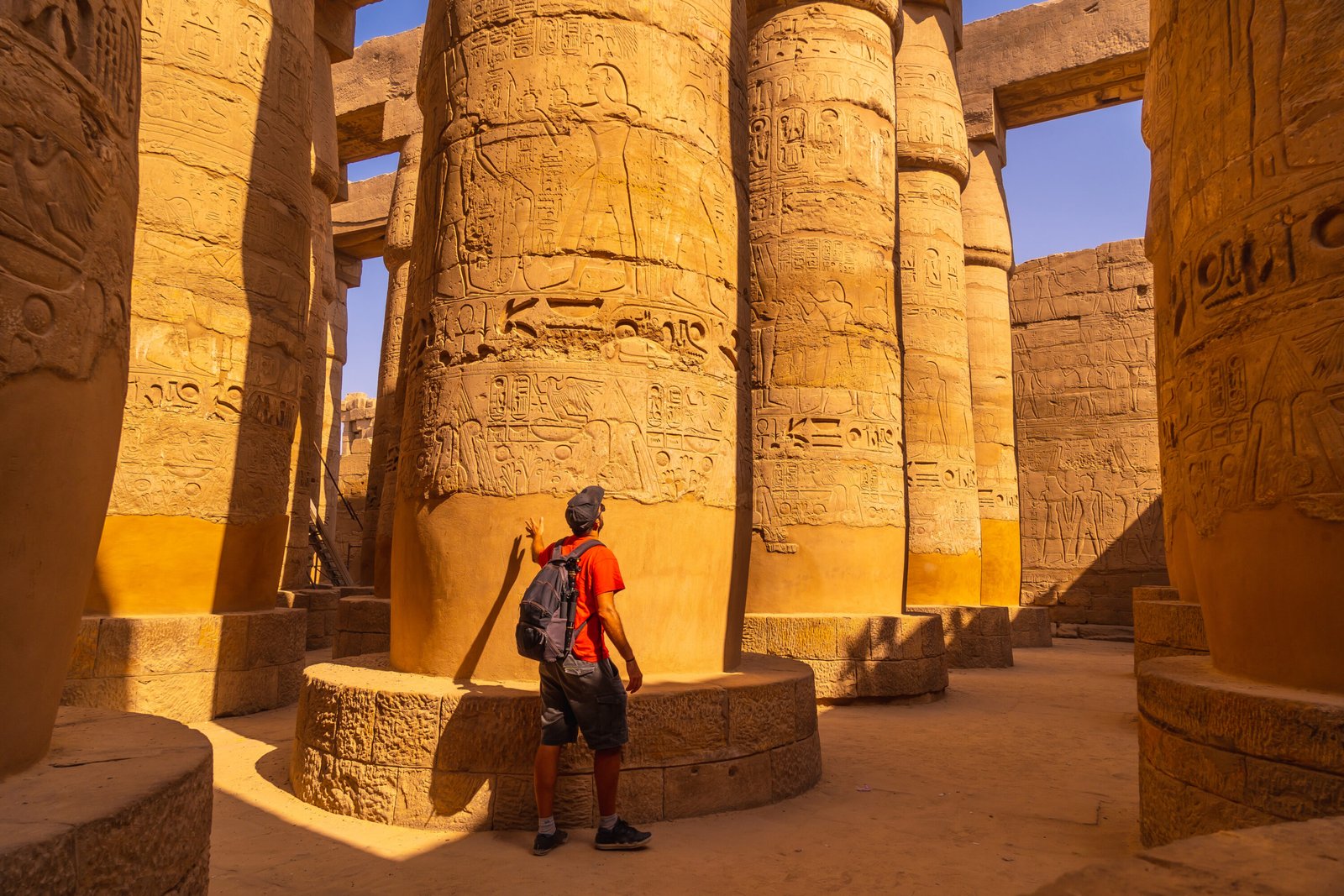
The setting is almost hard to improve upon. The eclipse passes over the landscape of ancient Thebes. Karnak and Luxor Temple sit on the east bank. Across the Nile are the Valley of the Kings, the Valley of the Queens, Hatshepsut’s temple at Deir el-Bahari, Medinet Habu, the Colossi of Memnon, and the limestone cliffs that define the Theban west bank.
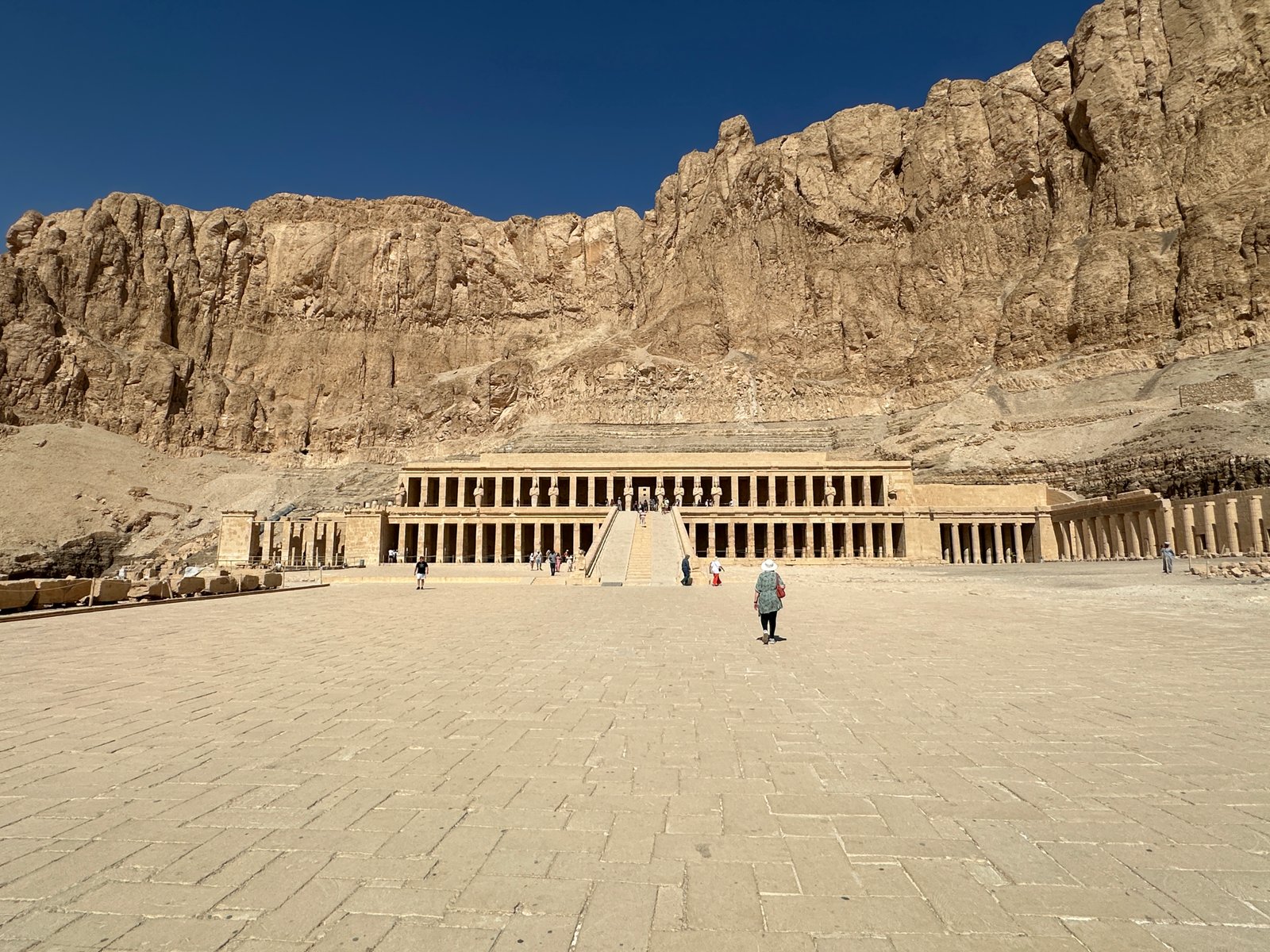
But I would not build an eclipse plan around the assumption that you will simply walk into one of those monuments at noon on August 2. As of now, final eclipse-day capacity, ticketing, traffic controls, and special access arrangements at Luxor’s major archaeological sites have not been fully announced. That could change as Egypt gets closer to the event.
For most people, the better plan may be a controlled viewing location where you already have shade, water, restrooms, and a clear overhead view — a hotel rooftop or garden, a Nile vessel, or an organized viewing site. Then visit Karnak, Luxor Temple, and the west-bank monuments on the days before and after the eclipse when you can actually enjoy them rather than trying to combine a major archaeological day with a once-in-a-lifetime astronomical event.
Other Excellent Places to See Totality in Egypt
Luxor will receive most of the attention, but it is not the only option.
Asyut is deep inside the path and is expected to receive a little over six minutes of totality. Sohag and the Nile Valley around it are also very close to the eclipse centerline. These can be excellent astronomical locations, though they do not have the same international tourism infrastructure as Luxor and may require more deliberate transportation and accommodation planning.
Siwa Oasis is a completely different experience. Timeanddate calculates roughly 5 minutes 31 seconds of totality there. You give up less than a minute compared with Luxor, but you gain one of Egypt’s most distinctive desert landscapes. Siwa is remote, however, and that remoteness becomes more significant during a major international event. I would only choose it if you are comfortable building the trip around the logistics of reaching and staying in the oasis.
South of Luxor, places such as Edfu and Kom Ombo also fall within the totality corridor, although duration decreases as you move toward the southern edge. These may be attractive options for travelers combining the eclipse with a Nile cruise, but you should verify the exact coordinates of your planned viewing point rather than relying on the city name alone.
Can You See the Eclipse from Cairo, Giza, or Aswan?
Yes — but not as a total eclipse.
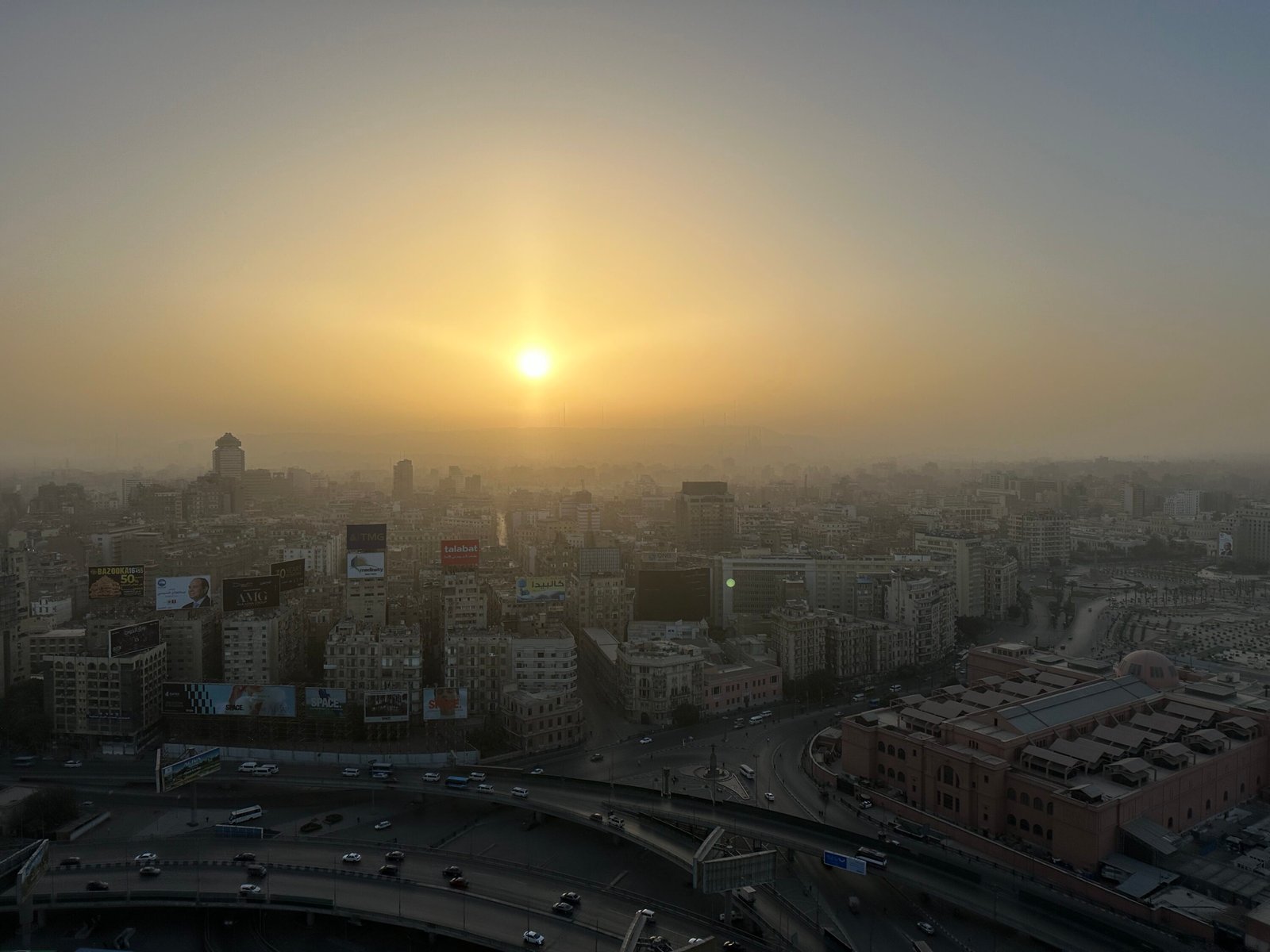
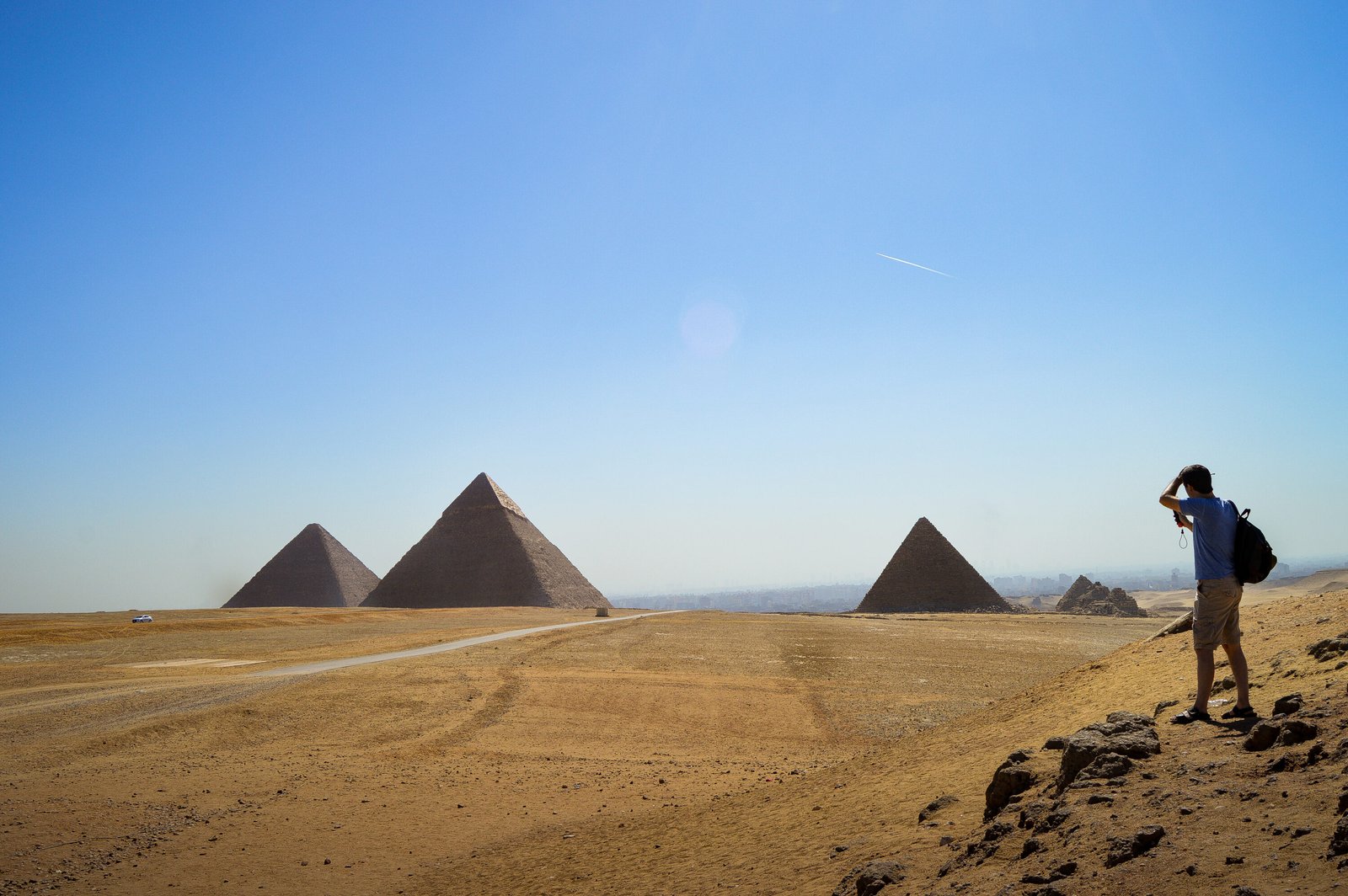
Cairo and the Giza Plateau will experience a very deep partial eclipse, with roughly 95 percent of the Sun covered near maximum. That will certainly be noticeable, and the light may become strangely subdued, but the Sun’s bright surface will never be completely covered. There is no safe naked-eye viewing period in Cairo. Eclipse glasses remain necessary throughout the event.
Aswan is even closer to totality, with roughly 99.8 percent coverage, but this is one of those cases where the last fraction of a percent changes everything. The experience of a 99.8 percent partial eclipse is still fundamentally different from totality. If you are already traveling that far to see the eclipse, I would move north into the totality path for August 2.
How to Watch the Eclipse Safely
This is not optional. During the partial phases, looking directly at the Sun without proper solar protection can seriously damage your eyes.
NASA recommends eclipse glasses or handheld viewers that comply with the ISO 12312-2 international safety standard. Ordinary sunglasses are not sufficient, no matter how dark they are. You should inspect eclipse glasses before use and discard any that are torn, scratched, or damaged. NASA’s eclipse safety guidance is worth reading before you travel.
During a total solar eclipse, there is one exception. If you are inside the path of totality, you may look directly at the eclipse only during totality, when the Moon completely covers the Sun’s bright face. As soon as even a small point of direct sunlight begins to reappear, the glasses go back on immediately.
Cameras, binoculars, and telescopes need their own solar filters mounted on the front of the optics. Eclipse glasses worn on your face do not make it safe to look through an unfiltered camera lens, binoculars, or telescope.
The August Heat May Be the Bigger Practical Challenge
The astronomy may be spectacular, but August in Upper Egypt is serious heat. Totality arrives shortly after 1:00 PM, close to the hottest part of the day. At Luxor’s open archaeological sites, shade can be scarce and stone surfaces radiate heat back at you.
This is one reason I would choose a viewing location for comfort and reliability rather than chasing two or three extra seconds of totality. Shade, cold water, toilets, a place to sit, and air conditioning nearby are worth a great deal when you may be in position for hours before the main event.
Bring more water than you think you need. Wear lightweight, breathable clothing, a hat, and sunscreen. Plan to arrive early enough that you are not fighting traffic at noon. And do not schedule a complicated sightseeing program immediately before or after totality. Eclipse day is one of those rare days when the event itself should be the itinerary.
Book Accommodation Early — Very Early
Normally I would tell travelers not to panic about Egypt hotel inventory a year in advance. This is different.
Luxor is one of the most desirable viewing locations anywhere on the 2027 eclipse path, and international eclipse tours have already been building programs around it. Some accommodations are reporting very limited or no ordinary availability for eclipse week. Nile vessels and organized eclipse packages are also being positioned as alternatives to standard hotel rooms.
If you plan to go independently, confirm three things before paying: that the booking is actually guaranteed for the nights around August 2, that you know how you will reach your viewing location, and that your hotel or vessel has a realistic eclipse-day plan. A room in Luxor is useful. A room in Luxor plus a reliable place to stand at 1:05 PM is much better.
A Smart Egypt Eclipse Itinerary
If I were planning a first Egypt trip around the eclipse, I would not fly into Luxor, watch six minutes of darkness, and fly home. This event falls across one of the richest archaeological landscapes in the world, and it deserves a few days on either side.
I would give Luxor several days. Visit Karnak early in the morning before the worst heat. See Luxor Temple in the evening when the stone and columns are lit. Spend a separate morning on the west bank at the Valley of the Kings, Hatshepsut’s temple, Medinet Habu, and the Colossi of Memnon. If your schedule allows, add Dendera and Abydos to the north or continue south toward Edfu, Kom Ombo, Aswan, and Abu Simbel after the eclipse.
On August 2 itself, keep the plan simple. Eat early. Hydrate. Get to your viewing site well ahead of time. Have certified eclipse glasses in hand. Let the partial phase build without rushing around. Then, when the last bright edge of the Sun disappears, take the glasses off during totality and actually look.
I have spent enough time in Luxor to know how easily the place can overwhelm your attention even on an ordinary day. The Nile, the cliffs, the obelisks, the temples, and the desert already make it one of the most visually unforgettable places in Egypt. For a little more than six minutes on August 2, 2027, the sky itself is going to join the story.
If you are going to make the trip, make it deliberately. Get inside the path of totality. Build in enough time to experience Egypt rather than merely chase the eclipse. And on eclipse day, choose the place that lets you stop worrying about logistics long enough to simply look up.
Research Sources and Further Reading
- National Aeronautics and Space Administration. “Total Solar Eclipse of 2027 August 02.” NASA Eclipse Web Site. Path and circumstances.
- National Aeronautics and Space Administration. “Eclipse Safety.” NASA Science. Safety guidance.
- Time and Date AS. “Eclipse in Luxor, Egypt, August 2, 2027.” Local eclipse calculations.

For more practical planning advice, visit our Egypt Travel Tips or explore the Biblical Egypt Travel Guide.