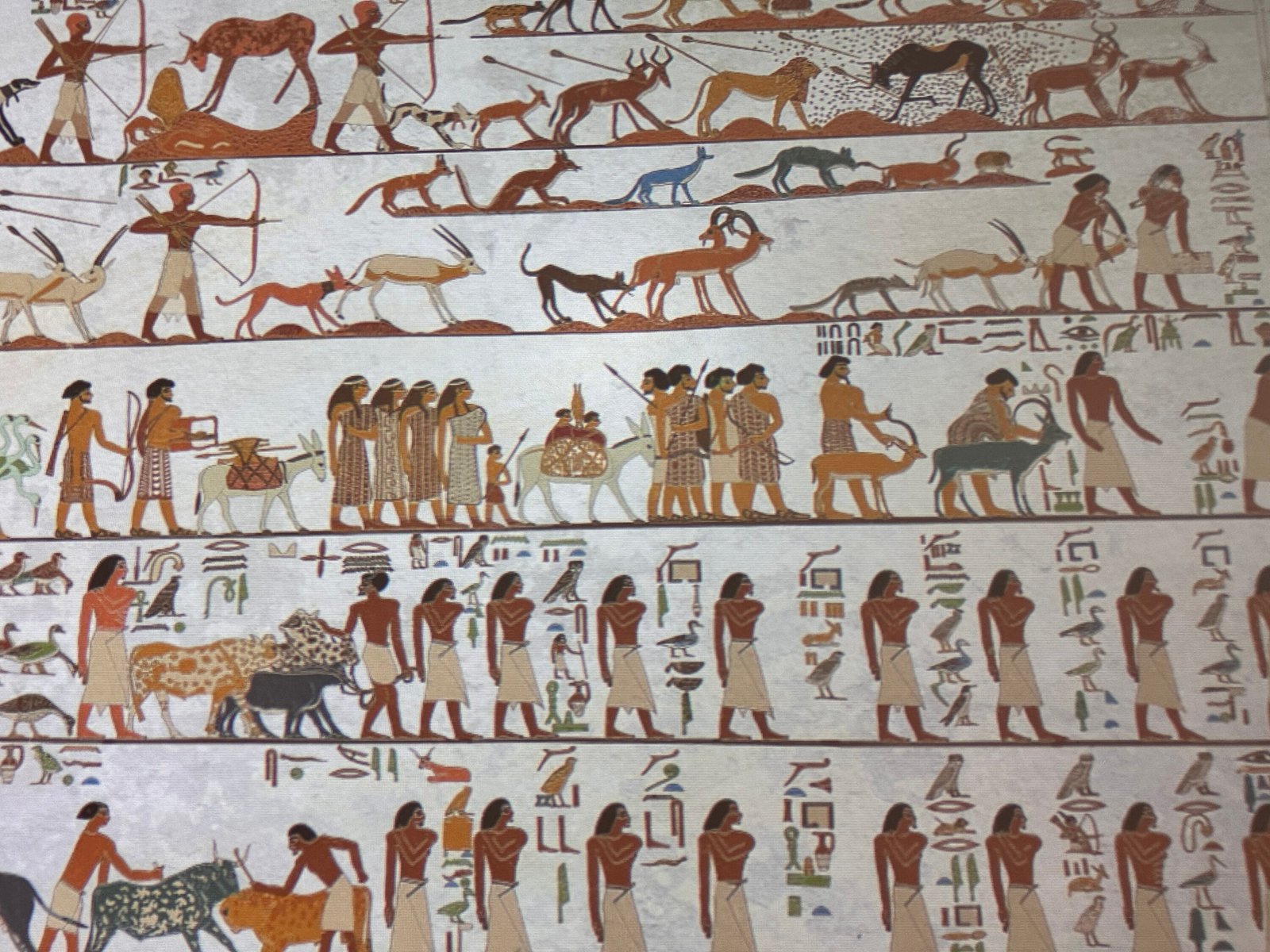
The Aamu Procession at Beni Hasan: Abisha and 37 Asiatics in Egypt
One of the most frequently reproduced images from Middle Kingdom Egypt is the procession of foreign visitors painted in the tomb of Khnumhotep II at Beni Hasan. The inscription calls the visitors Aamu, records a group numbering 37, and names their leader Abisha(i). The scene is valuable evidence for the movement of people from Egypt’s east and northeast into the Nile Valley centuries before the New Kingdom.
Key Facts
- Original monument: Tomb of Khnumhotep II (BH3), Beni Hasan.
- Period: Middle Kingdom, during the reign of Senusret II.
- Location in tomb: North wall of the tomb chapel.
- Group: Aamu, a term commonly translated “Asiatics.”
- Recorded number: 37 people in the accompanying inscription.
- Figures actually depicted: 15 representatives of the larger group.
- Leader: Abisha(i), described as a heqa khaset, “ruler of a foreign land.”
- Purpose described by the inscription: The visitors bring mesdemet, usually understood as eye-paint or cosmetic material.
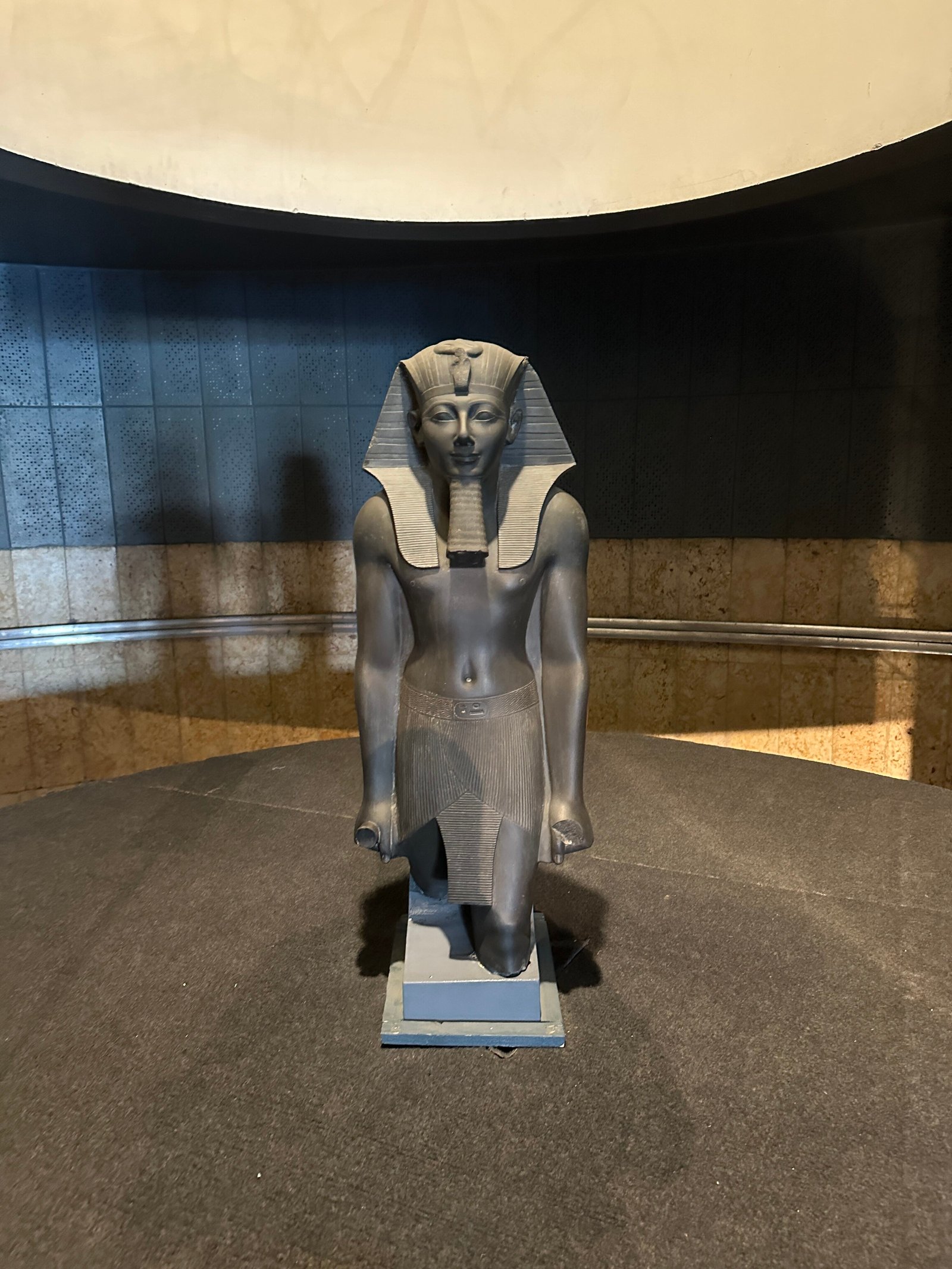
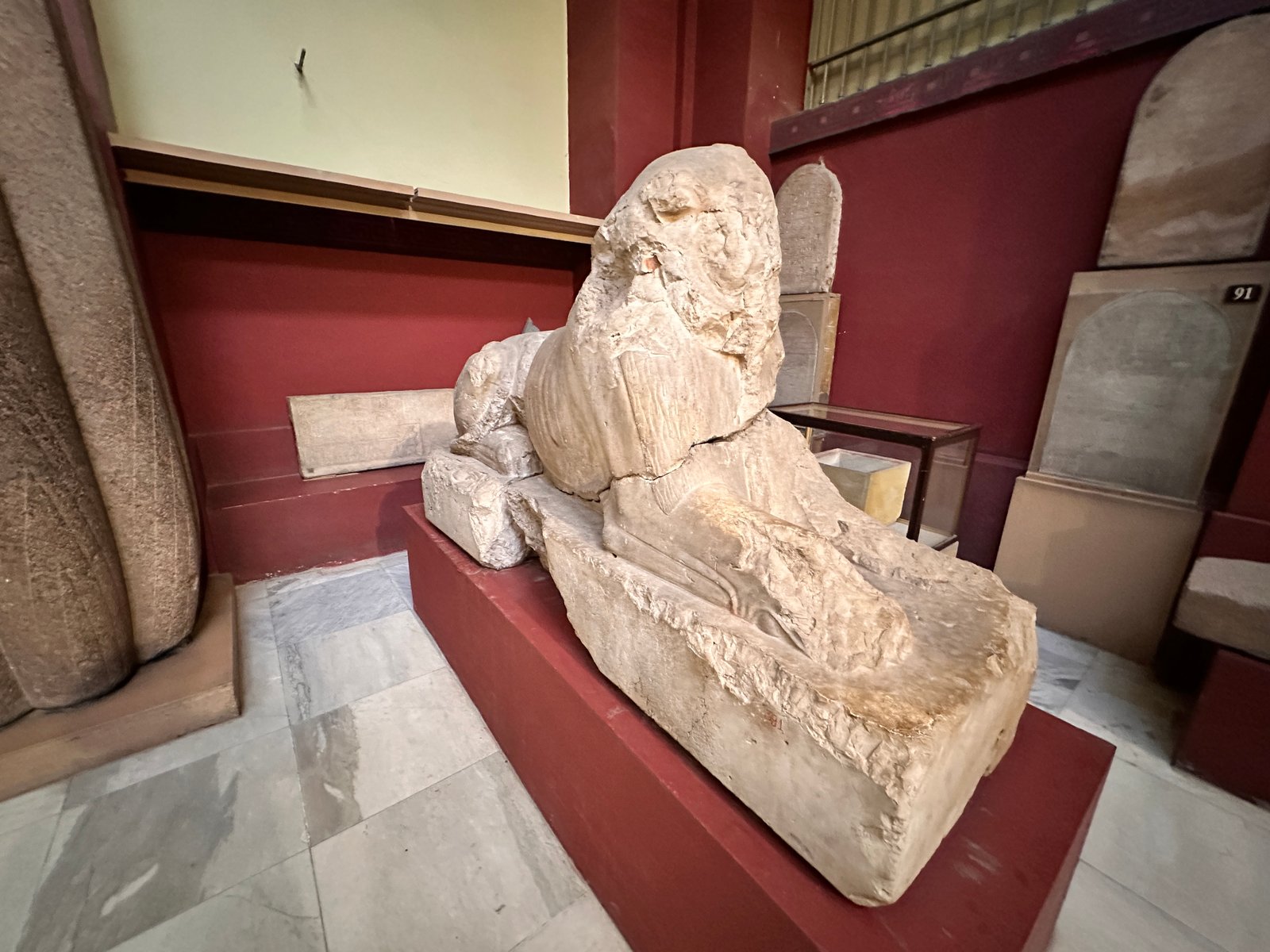
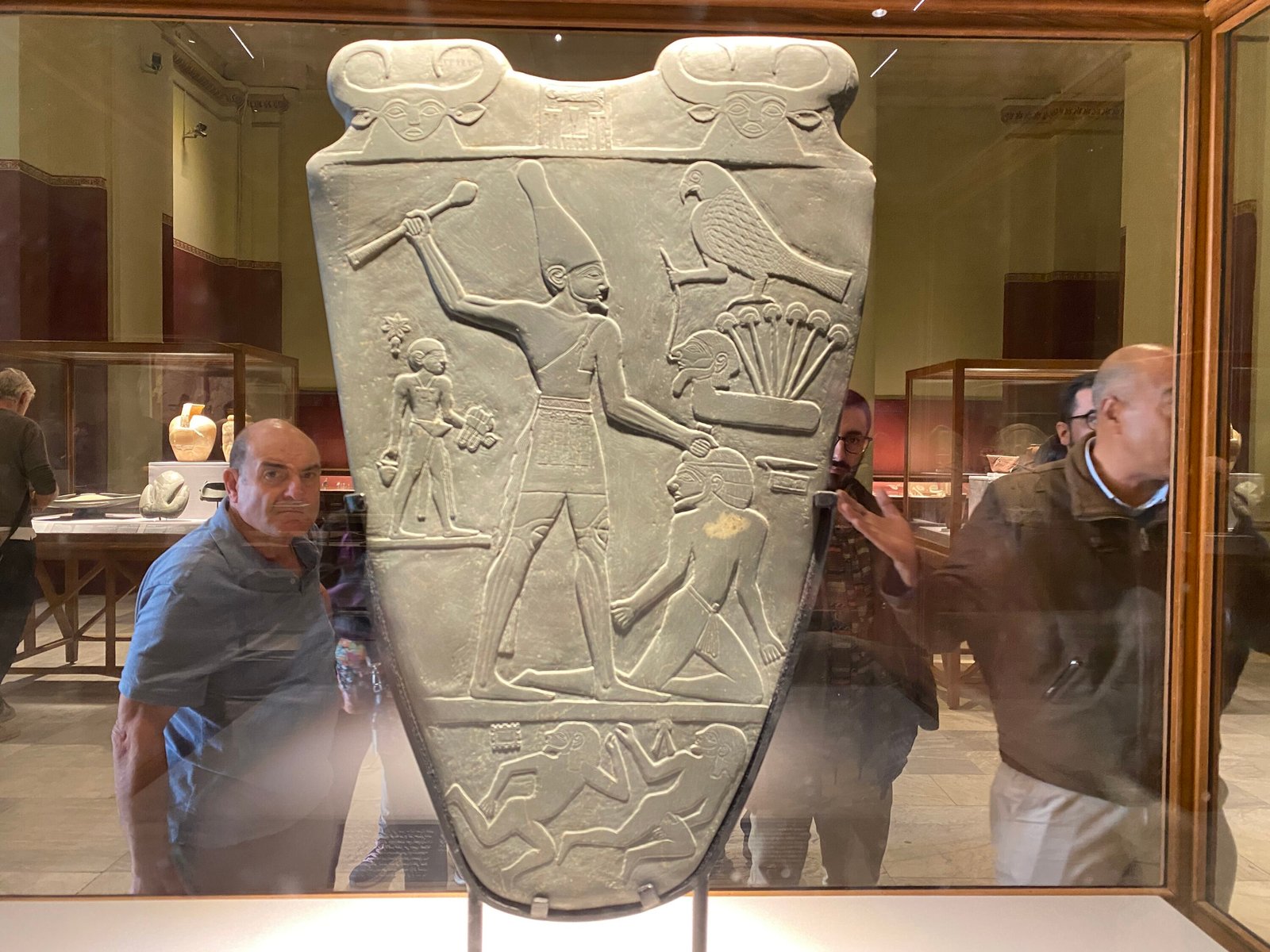
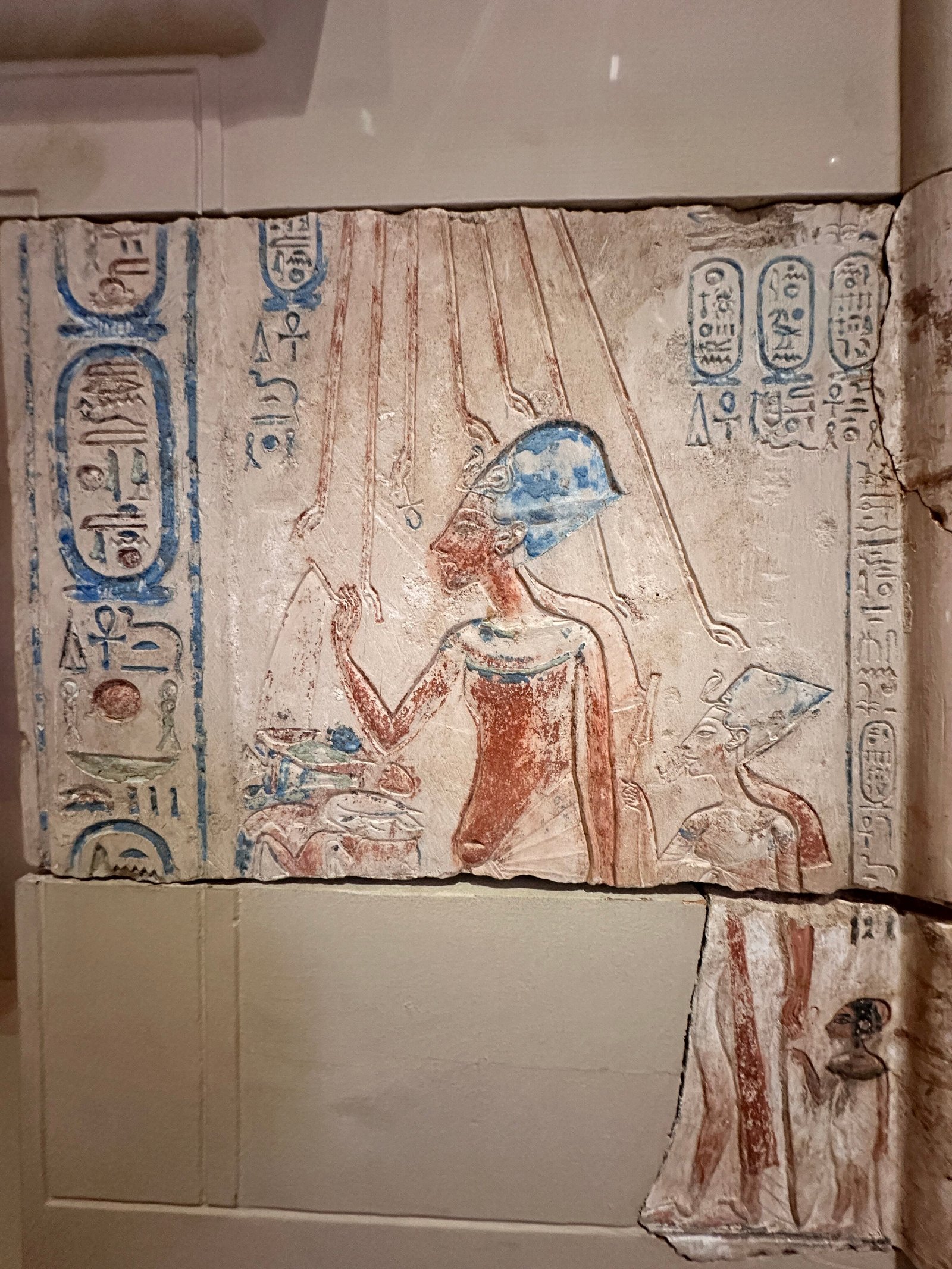
- Photographic note: The Egypt Christian Tours images below document the Grand Egyptian Museum reproduction/display of the scene, not the original painted wall at Beni Hasan.
The Scene in Khnumhotep II’s Tomb
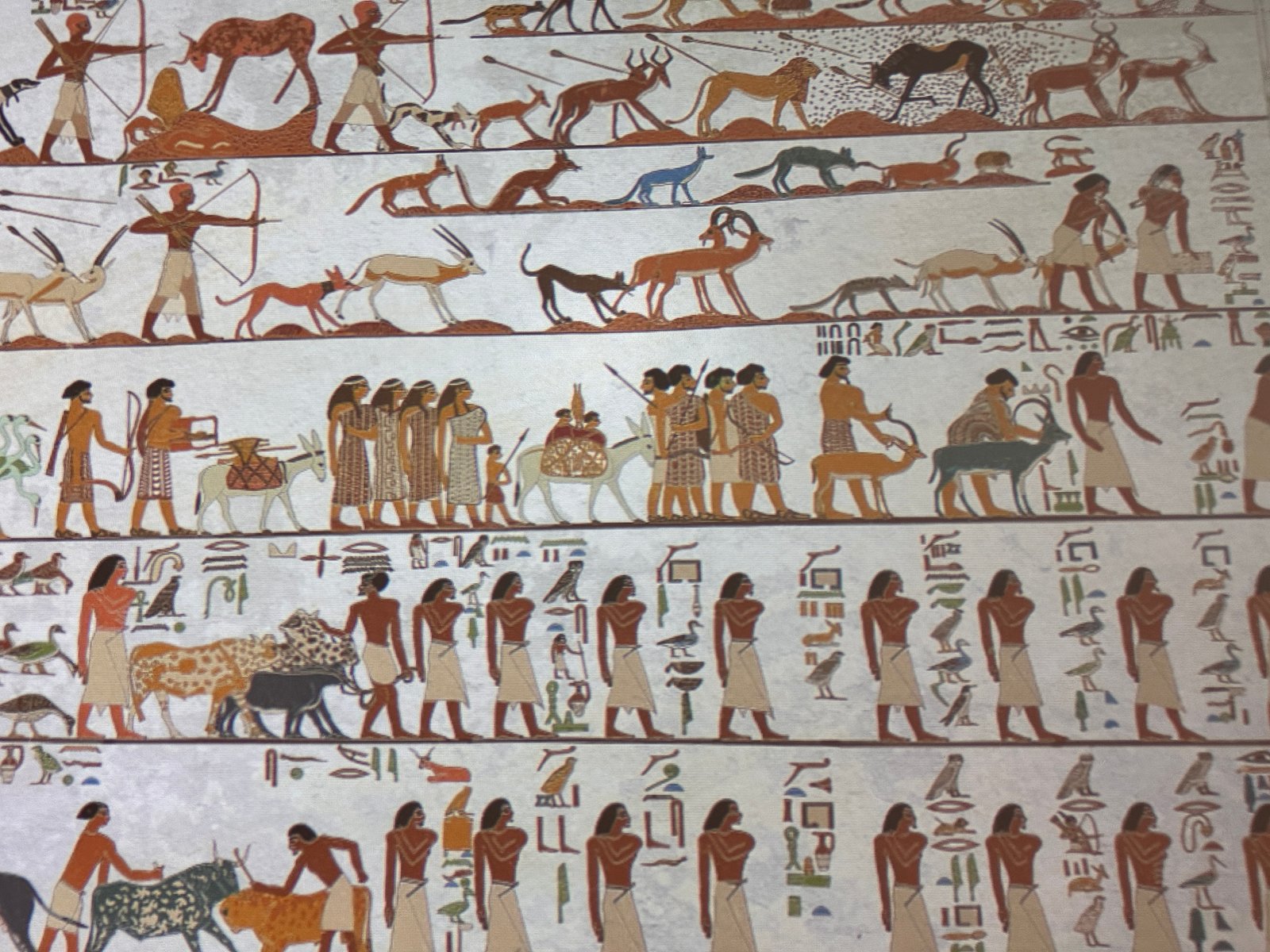
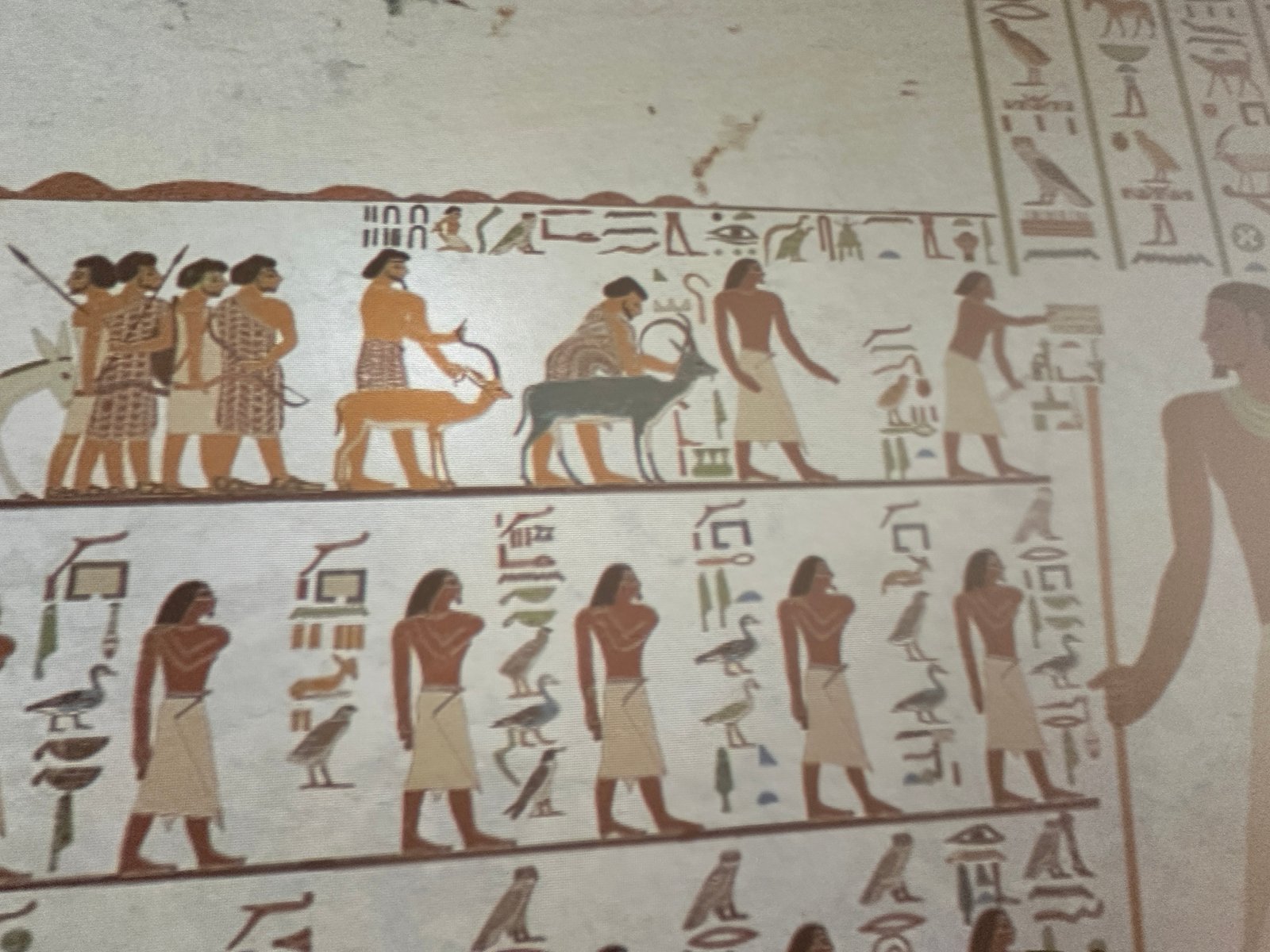
The Egyptian Ministry of Tourism and Antiquities identifies the procession as a delegation of 37 ‘Amu made up of men, women, and children wearing distinctive colorful clothing. The Ministry also identifies the leader as Abisha(i) and notes his title heqa khaset, a phrase meaning “ruler of a foreign land” that is linguistically important in discussions of the later term Hyksos.
The scene does not portray thirty-seven separate figures. As Egyptologist Janice Kamrin explains in her peer-reviewed study, only fifteen Aamu are actually painted, with the smaller group functioning as representatives of the larger number recorded in the inscription. This is a useful reminder that Egyptian art often compresses groups symbolically rather than depicting every individual literally.
Aamu of Shu
The accompanying inscription identifies the visitors as Aamu of Shu. Kamrin notes that the Egyptian term Aamu is generally understood as referring to Semitic-speaking peoples from east or northeast of the Nile Valley, but the precise homeland of this particular group remains debated. Proposed locations have ranged across Sinai, the southern Levant, Syria, the Eastern Desert, and neighboring regions.
That uncertainty matters. It is reasonable to describe the group broadly as West Asiatic or Levantine-connected foreigners. It is not responsible to assign them to a specific biblical family, ethnic group, or later dynasty without additional evidence.
Abisha and the Title Heqa Khaset
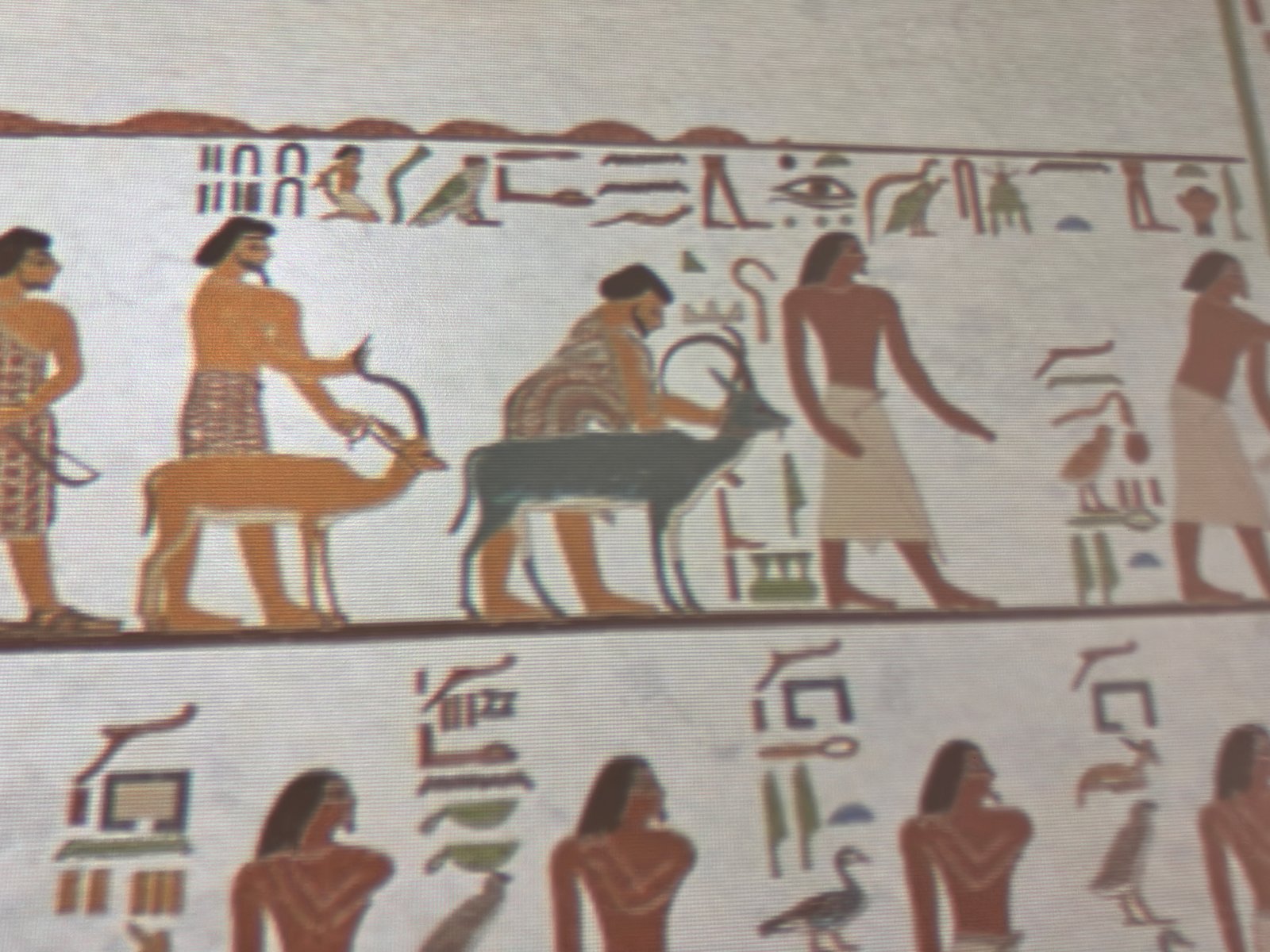
The group’s leader is labeled Abisha(i), and his caption includes the title heqa khaset. The title literally refers to a ruler of a foreign land. Its appearance here is historically interesting because the same Egyptian expression is related to the designation later applied to the Hyksos rulers.
This does not mean that Abisha was a Hyksos pharaoh or that the Beni Hasan visitors were the later Hyksos dynasty. The scene is earlier. Instead, it demonstrates that the title and the broader pattern of interaction between Egypt and populations from the northeast were already present in the Middle Kingdom.
What the Grand Egyptian Museum Display Shows
The Grand Egyptian Museum presents a reproduction of the famous Beni Hasan scene. Egypt Christian Tours photographed that museum display from several distances, preserving both the overall procession and close details of the visitors, animals, and inscriptions. These photographs should always be described as images of the GEM reproduction/display, not as photographs of the original tomb painting.
Why the Scene Matters for Biblical Egypt
The procession is often discussed in relation to the patriarchal world because it vividly shows people from Egypt’s northeast entering Egypt during the Middle Kingdom with families, distinctive clothing, animals, and goods. That broad cultural picture is relevant when readers visualize biblical accounts involving movement between Canaan and Egypt.
But the scene does not name Abraham, Joseph, Jacob, Hebrews, or Israelites. It should therefore be used as historical and cultural background, not as a portrait of a biblical event. Its strength is that it demonstrates the kind of cross-border movement and Semitic-speaking presence that formed part of Egypt’s real Middle Kingdom world.
Research Sources and Further Reading
- Egyptian Ministry of Tourism and Antiquities. “The Tomb of Khnumhotep II.” Official monument page.
- Kamrin, Janice. “The Aamu of Shu in the Tomb of Khnumhotep II at Beni Hassan.” Journal of Ancient Egyptian Interconnections 1, no. 3 (2009): 22–36. PDF. https://doi.org/10.2458/azu_jaei_v01i3_kamrin.
Image licensing: Original Egypt Christian Tours photographs of the museum display are available under the licensing terms stated in the Egypt Photo Gallery. Preferred attribution: Photo by Nate Loper / EgyptChristianTours.com.