Egypt Marks 204 Years Since the Decipherment of Hieroglyphs
Egyptian museums are marking the anniversary of the breakthrough that made the ancient Egyptian language readable again after more than a millennium.
DATE: September 27, 2026
SUBJECT: 204th anniversary of Champollion’s hieroglyphic decipherment
LOCATION: Egypt and Paris, France
September 27 marks one of the defining moments in the modern study of ancient Egypt. On that date in 1822, French scholar Jean-François Champollion presented his findings on the phonetic values of Egyptian hieroglyphs to the Académie des Inscriptions et Belles-Lettres in Paris. His work, building on the Rosetta Stone and other inscriptions, provided the breakthrough that allowed scholars to begin reading ancient Egyptian texts systematically.
The anniversary is being marked in Egypt this year by museums across the country, which have selected artifacts connected with ancient Egyptian writing and inscriptions as featured objects for September. The Ministry of Tourism and Antiquities described the displays as part of its continuing effort to highlight Egypt’s written heritage and the importance of the decipherment of the Rosetta Stone to the birth of modern Egyptology.
The Rosetta Stone and the Race to Read Egypt
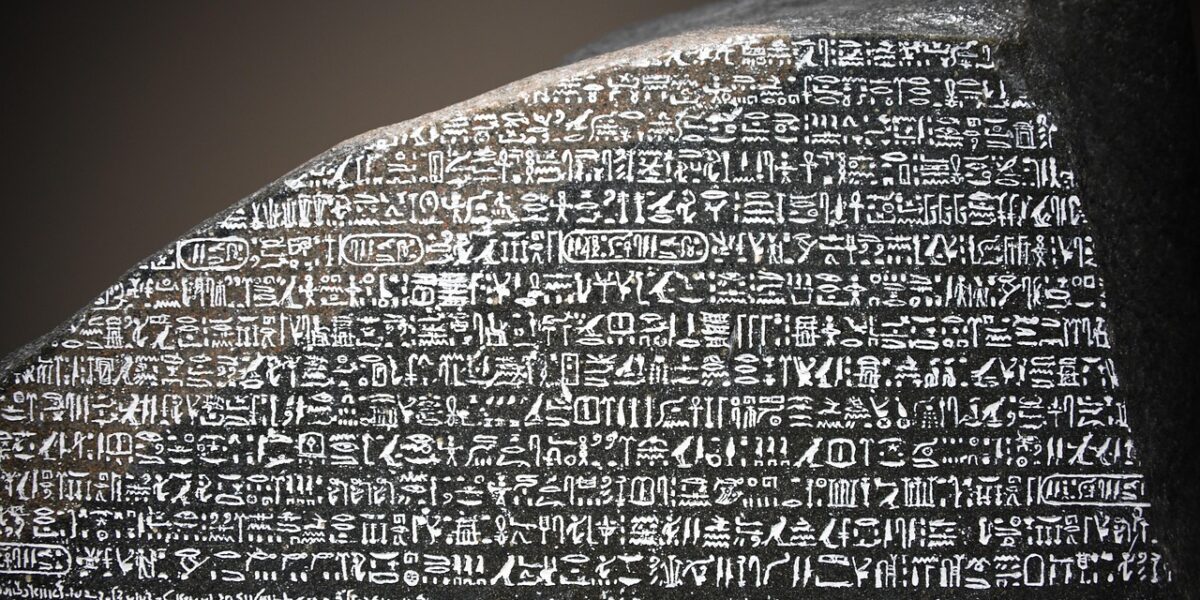
The Rosetta Stone was discovered in 1799 near the Nile Delta town of Rashid, known in Europe as Rosetta. The surviving slab carries a decree issued under Ptolemy V in 196 BC. The same decree appears in three scripts: ancient Egyptian hieroglyphs, Demotic, and Greek. Because scholars could already read Greek, the stone gave them a rare bilingual and multiscript key for comparing names, titles, and repeated phrases.
Champollion was not working in isolation. The British scholar Thomas Young had already made important progress in recognizing phonetic values in royal names, especially the name Ptolemy. Champollion pushed the work further. By comparing royal names and other inscriptions, including material from the Philae obelisk, he recognized that hieroglyphs were not simply symbolic pictures. They could also represent sounds in the Egyptian language itself.
His famous Lettre à M. Dacier was publicly read on September 27, 1822. The British Museum describes that public reading as the moment generally associated with the successful decipherment of hieroglyphs. Champollion continued refining the system afterward, but the 1822 announcement opened the way for scholars to read royal inscriptions, religious texts, administrative records, funerary writings, and countless other documents preserved on monuments and papyri.
Egyptian Museums Mark the Anniversary
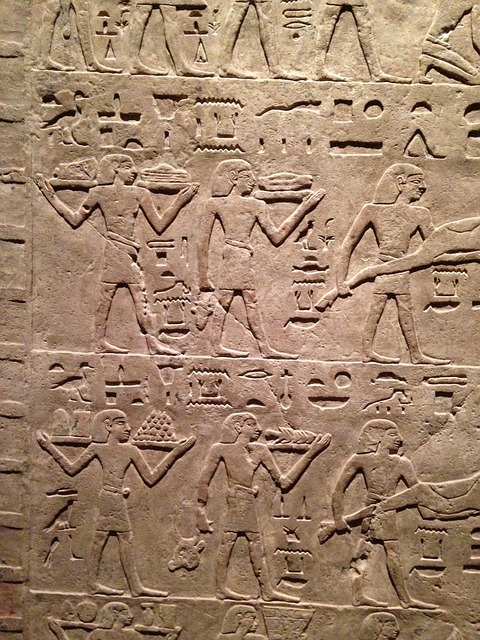
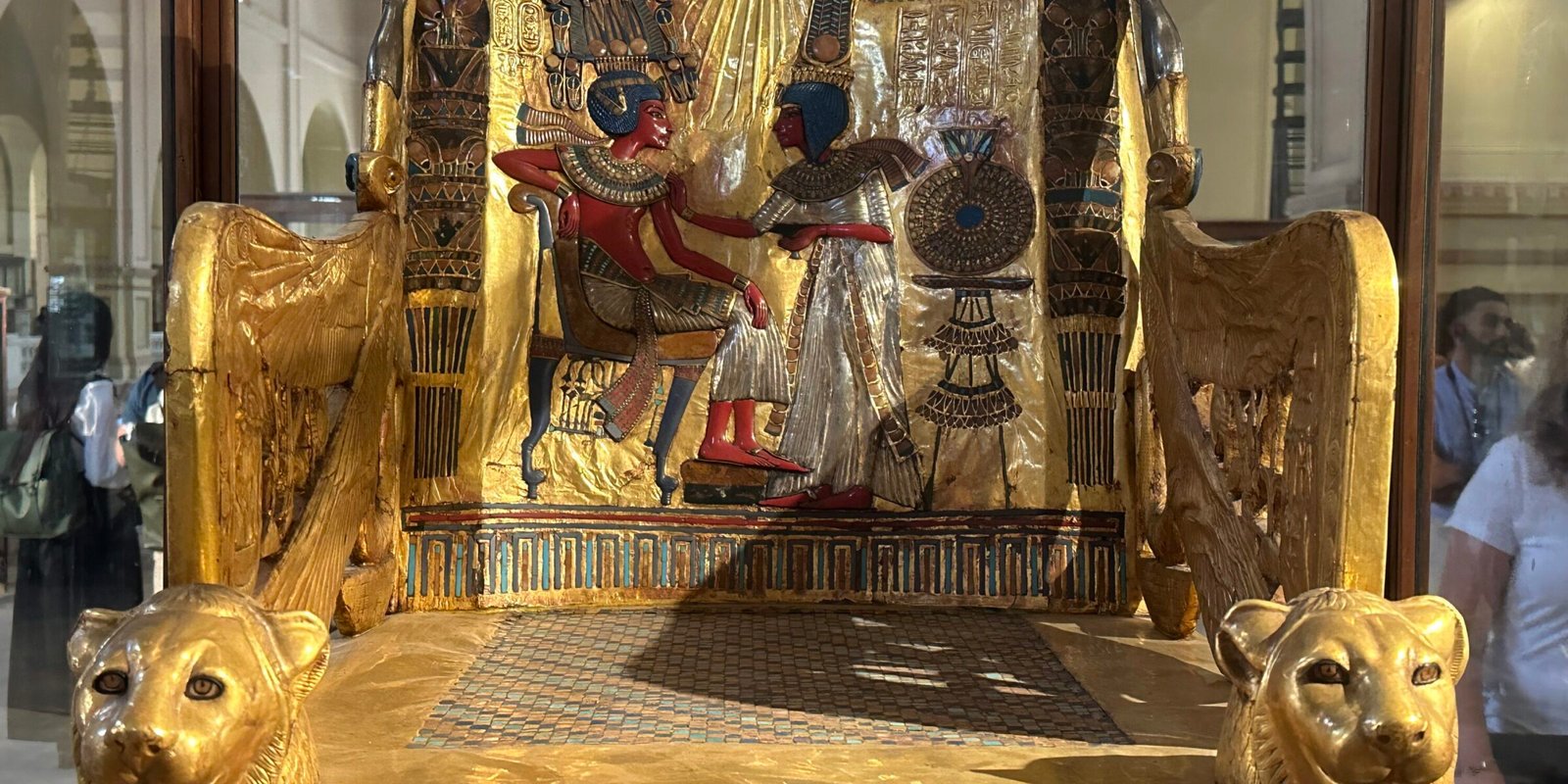
For September 2026, museums around Egypt have selected objects that emphasize the country’s long tradition of writing. Among the featured pieces are an inscribed seal bearing Tutankhamun’s throne name at the National Police Museum in Cairo, a hieroglyphic false door at the Suez National Museum, the so-called Arish Shrine at the Ismailia Museum, and royal inscriptions associated with Akhenaten at Luxor Museum.
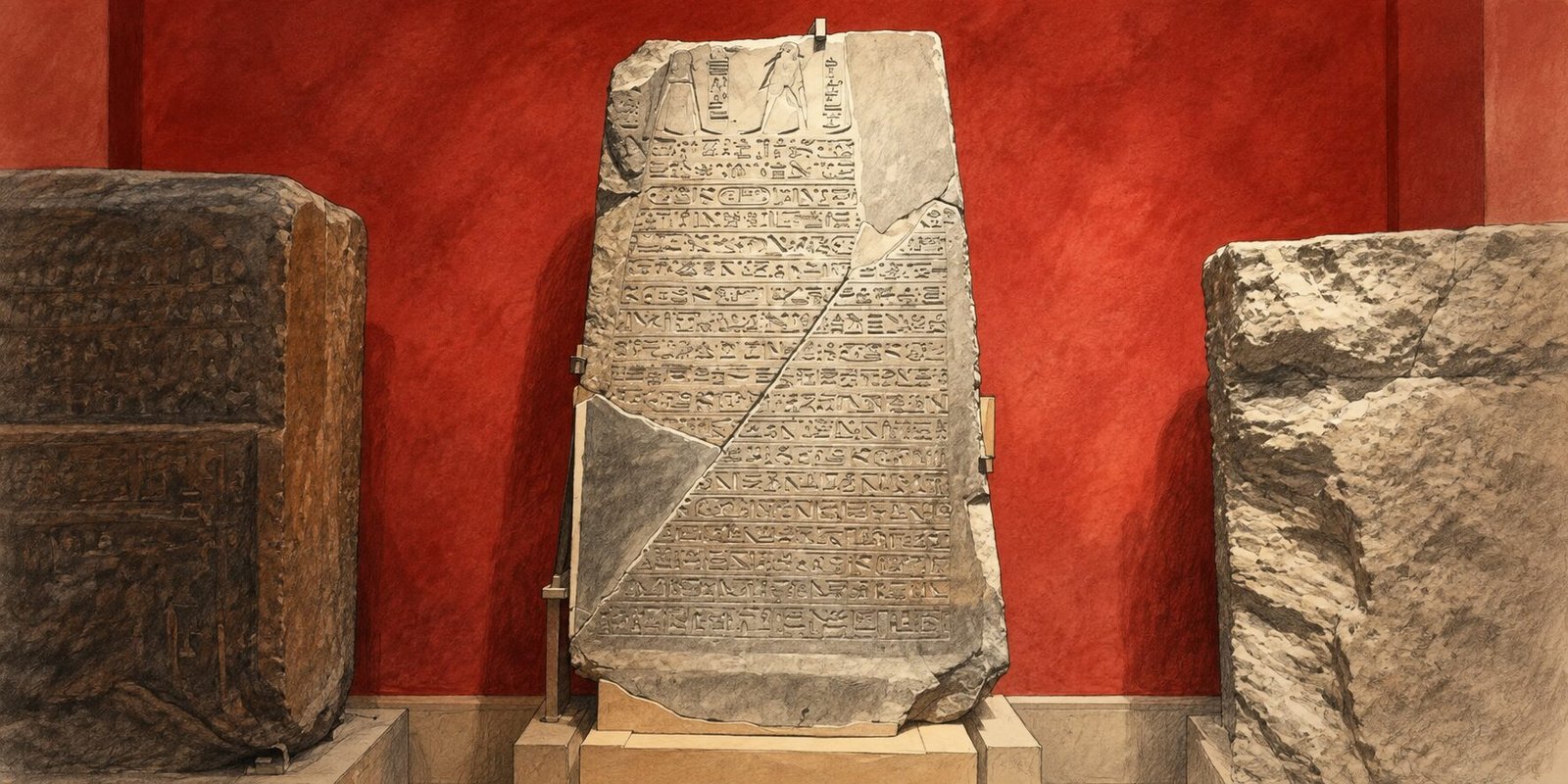
The Greco-Roman Museum in Alexandria is highlighting the Heracleion stelae, which preserve a royal decree concerning taxes and temple revenues. Sharm el-Sheikh Museum is featuring a scarab inscribed with the throne name of Thutmose III, while other museums are using their September selections to draw attention to the different ways Egyptian writing appeared on stone, wood, seals, ritual objects, and architectural elements.
The displays help illustrate why the decipherment mattered so much. Before the nineteenth-century breakthrough, ancient Egyptian monuments could be admired visually, but much of the information carved across their surfaces remained inaccessible. Once the script could be read, names, titles, religious ideas, legal formulas, royal proclamations, and even small administrative details could again be understood in the language in which Egyptians had recorded them.
More Than an Alphabet
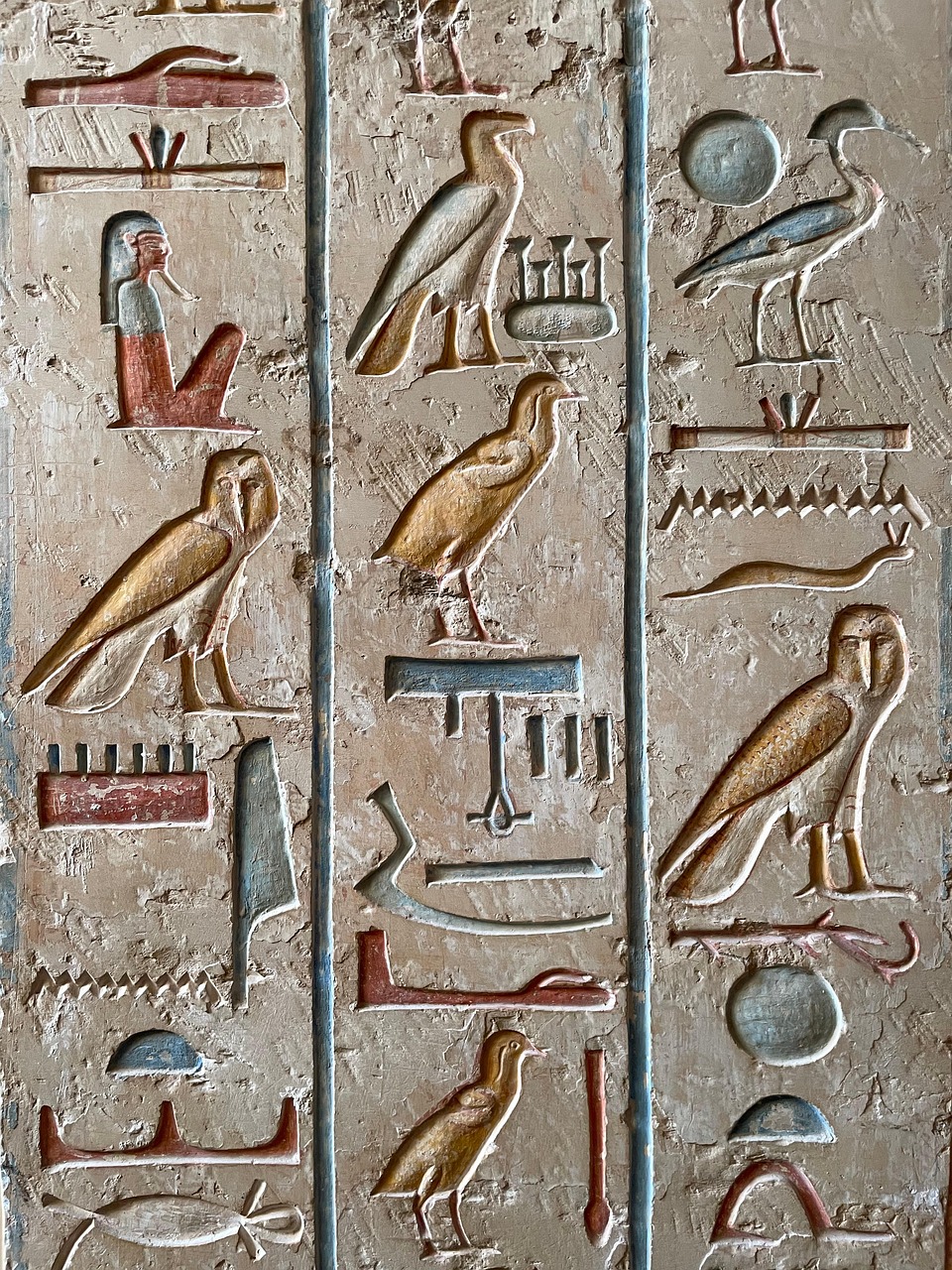
One of the most important results of Champollion’s work was the recognition that hieroglyphic writing was much more sophisticated than a simple picture code. Some signs represented individual consonants. Others carried two or three consonantal values. Still others represented entire words, while determinatives helped readers understand the category or meaning of a written term without being pronounced themselves.
That mixture of phonetic and symbolic writing is why the system had resisted earlier attempts at decipherment. Scholars who treated every sign only as an idea or image could not account for the way Egyptian scribes spelled names and ordinary words. The Rosetta Stone provided the comparison scholars needed, but it was the recognition of the underlying language that made the real breakthrough possible.
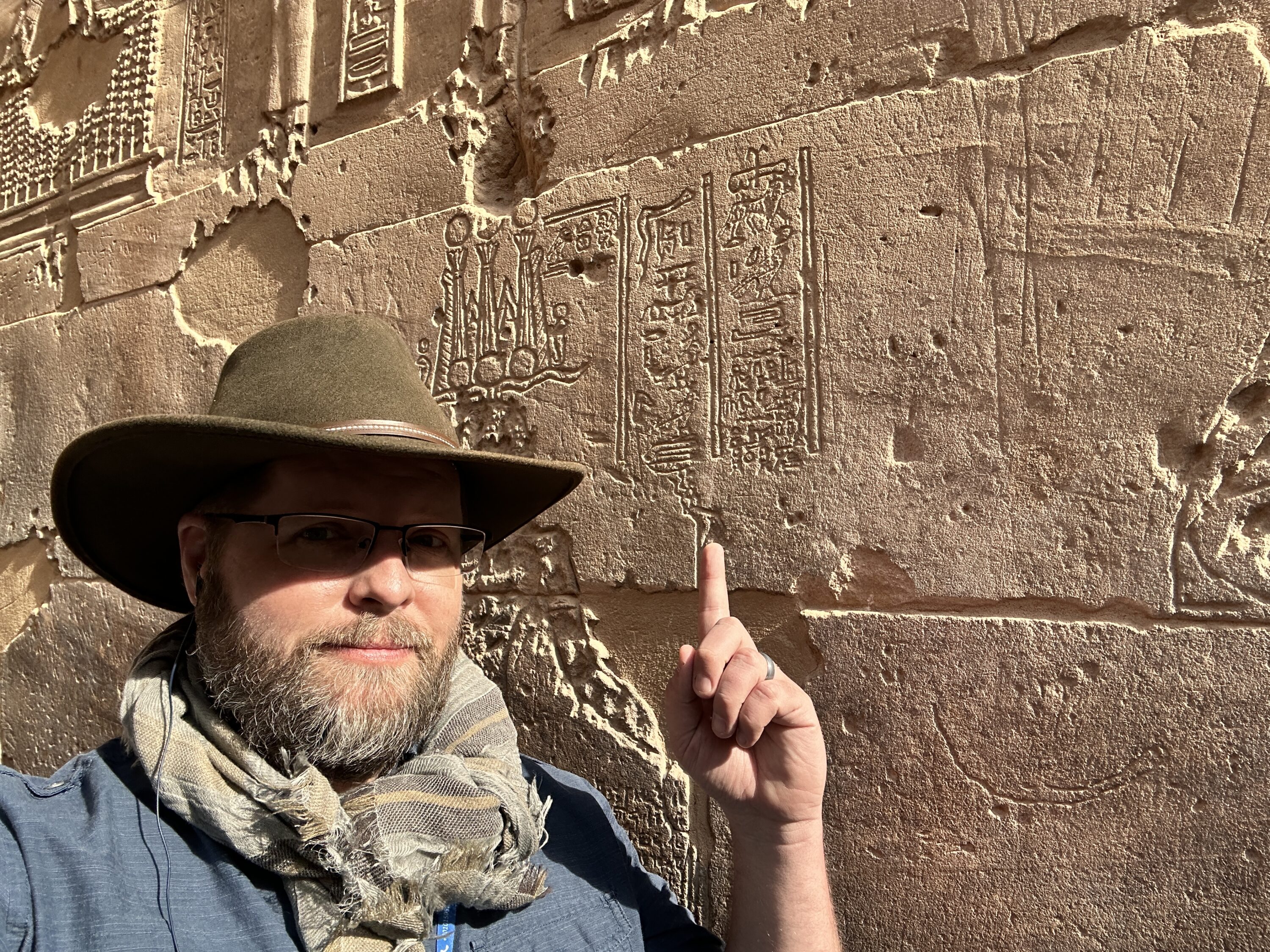
The story also has an extraordinary ending. The last known dated hieroglyphic inscription was carved at Philae, near Aswan, in AD 394 by a priest named Esmet-Akhom. By then, the ancient temple-writing tradition was nearing its end, and knowledge of the script gradually disappeared. For centuries afterward, Egypt’s monuments remained covered with writing that almost no one could read. Champollion’s breakthrough in 1822 therefore did more than solve an academic puzzle. It restored access to a written tradition that had effectively fallen silent for well over a thousand years.
More than two centuries later, September 27 remains an important date for Egyptology. It marks the point at which the voices preserved on Egypt’s monuments began to become readable again, transforming temples, tombs, statues, and papyri into historical documents that could speak directly about the people who made them.
Sources and further information: British Museum: Egyptian hieroglyphs decipherment timeline · British Museum: The Rosetta Stone · Al-Masry Al-Youm, September 18, 2026 · Al-Ahram, September 19, 2026.