New Surveys Raise Possibility of Hidden Chambers Beyond Tutankhamun’s Tomb
A new study has revived the search near Tutankhamun’s tomb. Its proposed rooms are still waiting for direct confirmation.
DATE: September 17, 2026
SUBJECT: New geophysical study of possible chambers near Tutankhamun’s tomb
LOCATION: Tomb KV62, Valley of the Kings, Luxor, Egypt
More than a century after Howard Carter entered Tutankhamun’s tomb, researchers are again asking whether its decorated walls mark the end of the burial complex. A new report by a team led by Egyptian archaeologist Mamdouh Eldamaty combines several kinds of measurements taken in and around the tomb, known as KV62. The researchers say the results point to possible corridors and chambers beyond the rooms Carter found. No new chamber has yet been entered or photographed.
The latest field surveys were carried out in 2023 and 2024. They bring together ground-penetrating radar, electrical measurements of the rock, and microgravity readings, which detect minute changes in the pull of gravity caused by differences in the material below the surface. The team interprets some of the patterns as a possible rubble-filled passage extending north from the burial chamber. A model of the surrounding area also proposes several farther rooms and a possible storage space beyond the chamber’s west wall. These are interpretations of indirect data, not excavated spaces.
Why the Search Has Returned to KV62
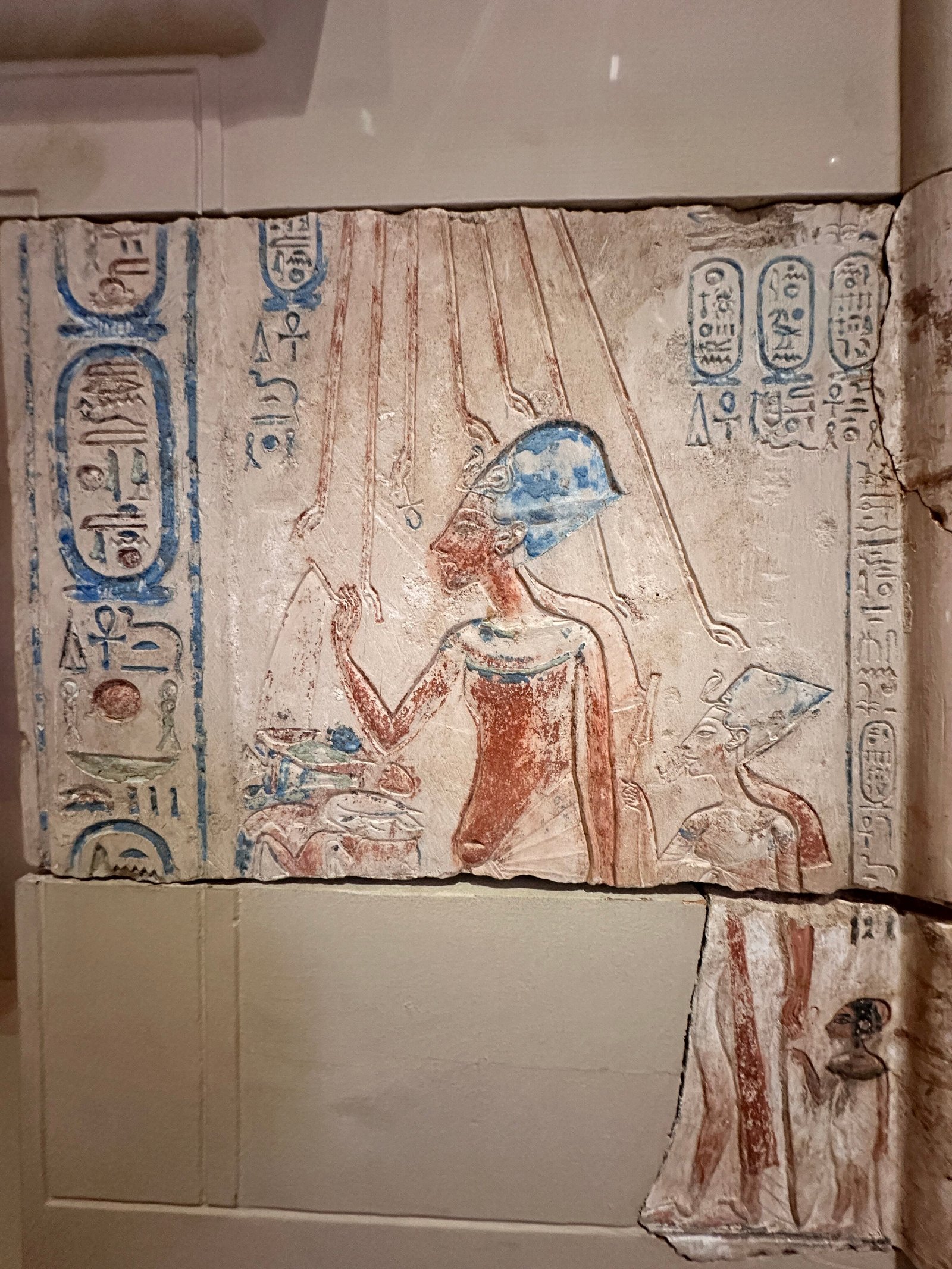
Egyptologist Nicholas Reeves first proposed in 2015 that the unusually small tomb might be the outer portion of a larger royal burial. He suggested that Tutankhamun’s burial was placed in its front rooms while an earlier burial, possibly that of Queen Nefertiti, remained sealed deeper within. High-resolution recordings of the decorated walls helped prompt that question. The new study revisits the architectural clues and compares them with several sets of measurements gathered since then.
Earlier tests did not settle the matter. A radar survey conducted in 2018 and published the following year found no hidden chamber immediately adjoining the tomb’s painted walls. The present team argues that a filled passage rather than a large empty room directly behind the north wall could account for part of that result. Its proposed arrangement farther north also draws on gravity and electrical anomalies. Natural features in the limestone can produce complicated signals, so the shapes on a survey remain open to interpretation.
The research team’s paper suggests that as many as five or six chambers could lie to the north of the known tomb, but that number belongs to a proposed model. It has not been verified by an opening, camera, or excavation. Nor would the discovery of another room by itself establish that Nefertiti was buried there. An inscription or identifiable burial material would be needed to make that historical connection.
What Happens Next
Egypt’s Supreme Council of Antiquities would need to approve any direct investigation. The team hopes to find a careful way to inspect one of the suspected spaces with a camera, while protecting the decorated tomb and its contents. Until that happens, the strongest claim is that several kinds of geophysical evidence have renewed a serious archaeological question.
KV62 is famous for what Carter found inside it. This study asks a different question: whether the walls he saw conceal more of the tomb’s original plan. For now, the measurements give researchers a reason to look more closely, while the answer remains on the other side of the stone.
Original report and further information: Amarna Royal Tombs Project paper (2026) · Nature report (September 17, 2026) · 2019 radar survey.