Visiting the Pyramids of Giza
A Traveler’s Guide to Egypt’s Timeless Marvels
I have been to the Giza Plateau many times, and the Pyramids of Giza still have a way of stopping you in your tracks. They are among the most iconic and awe-inspiring landmarks in the world. Standing as a testament to ancient Egypt’s architectural genius and cultural sophistication, these structures have captivated visitors for millennia. Whether you are a history enthusiast, a casual traveler, or someone fulfilling a lifelong dream, a visit to the Pyramids of Giza is an unforgettable experience. Explore what makes these pyramids so extraordinary and learn practical tips to ensure you make the most of your visit.
The Allure of the Pyramids of Giza
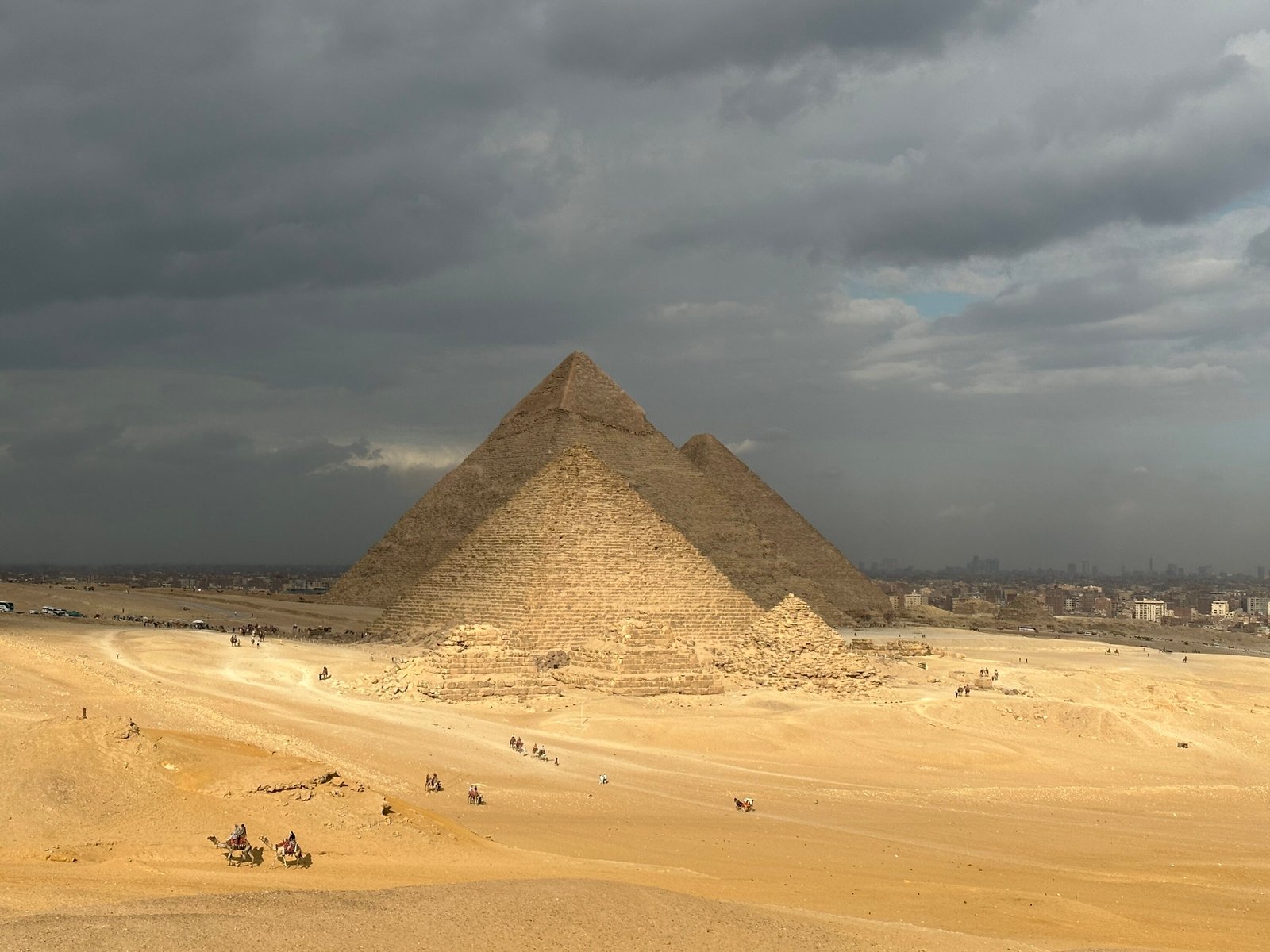
The Giza Plateau is home to three main pyramids: the Great Pyramid of Khufu (Cheops), the Pyramid of Khafre (Chephren), and the Pyramid of Menkaure (Mykerinos). These structures were built as royal tombs during Egypt’s Old Kingdom (circa 2600–2500 BC) and are part of a larger complex that includes the Great Sphinx, mortuary temples, and smaller satellite pyramids for queens and nobles.
The Great Pyramid of Khufu, the largest of the three, was once the tallest man-made structure in the world, standing at 146 meters (479 feet). Its precise alignment with the cardinal points of the compass and its massive limestone blocks—some weighing up to 80 tons—continue to baffle archaeologists and engineers alike. The Pyramids of Giza are not just monuments to ancient kings but also to the ingenuity and determination of the human spirit.
The Biblical Connection
What makes these pyramids even more fascinating is their connection to biblical history. No, the Hebrews did not build the pyramids when they lived in Egypt and were eventually enslaved. While the pyramids were already ancient by the time of many biblical events, it is highly likely that some of the patriarchs mentioned in the Bible saw them firsthand.
Abraham, for instance, traveled to Egypt during a time of famine (Genesis 12:10-20). Later, Joseph, sold into slavery by his brothers, rose to power in Egypt and managed the country’s resources during a severe famine (Genesis 41). His father, Jacob, and his family also moved to Egypt, settling in the fertile land of Goshen (Genesis 46:28-34) in the Eastern Delta area of Avaris that eventually became known as Pi-Ramesses. These biblical figures would have walked in the shadow of the pyramids, marveling at their scale and significance, just as modern visitors do today.
What to Expect During Your Visit
A visit to the Pyramids of Giza offers more than just a chance to marvel at their size and scale. It’s an opportunity to step back in time and immerse yourself in the grandeur of ancient Egypt. Here’s what you can expect:
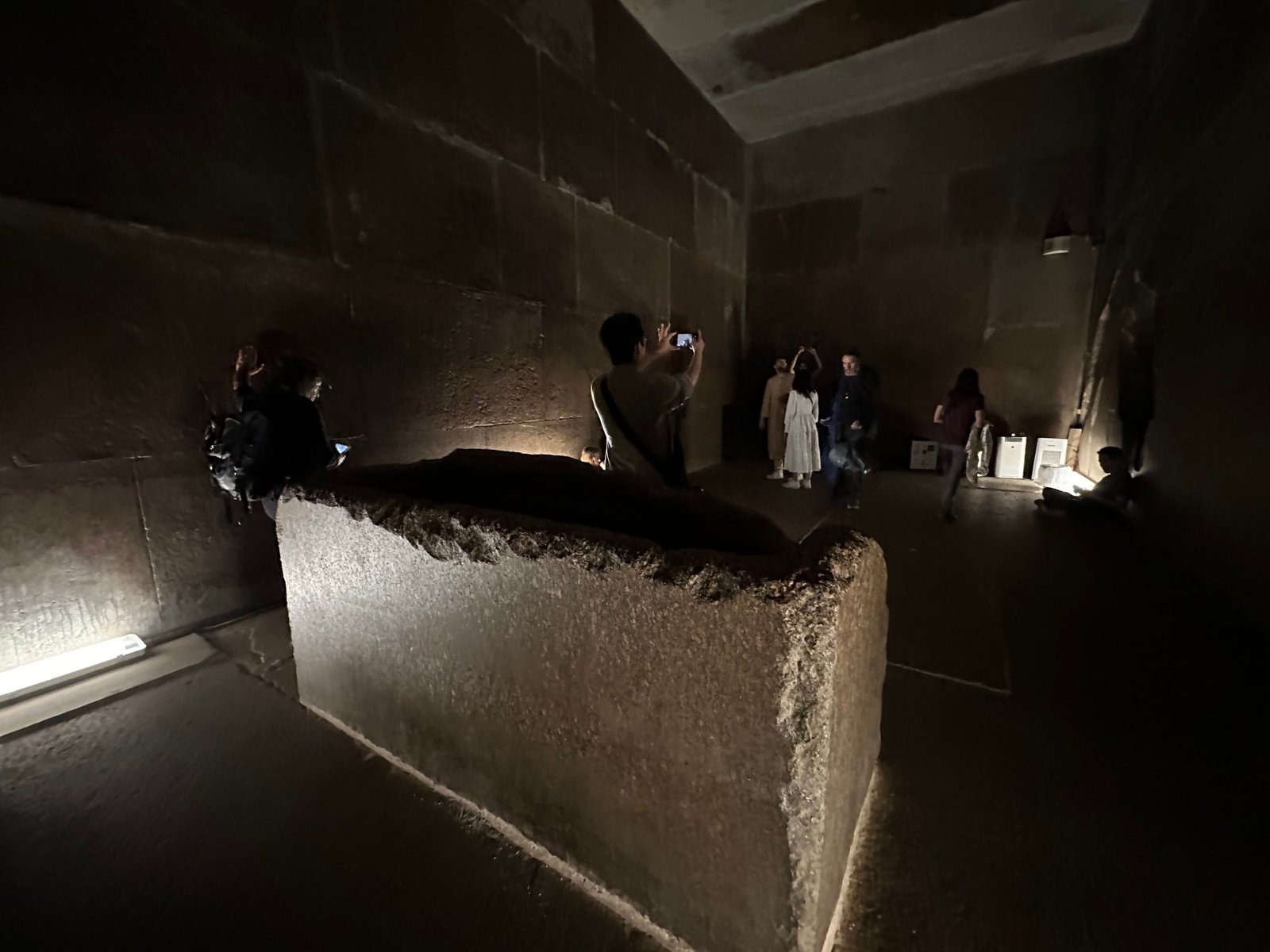
The Great Pyramid of Khufu: You can explore the exterior and, for an additional fee, venture inside the pyramid to see its intricate passageways and the King’s Chamber. Be prepared for narrow, steep, and dimly lit corridors.
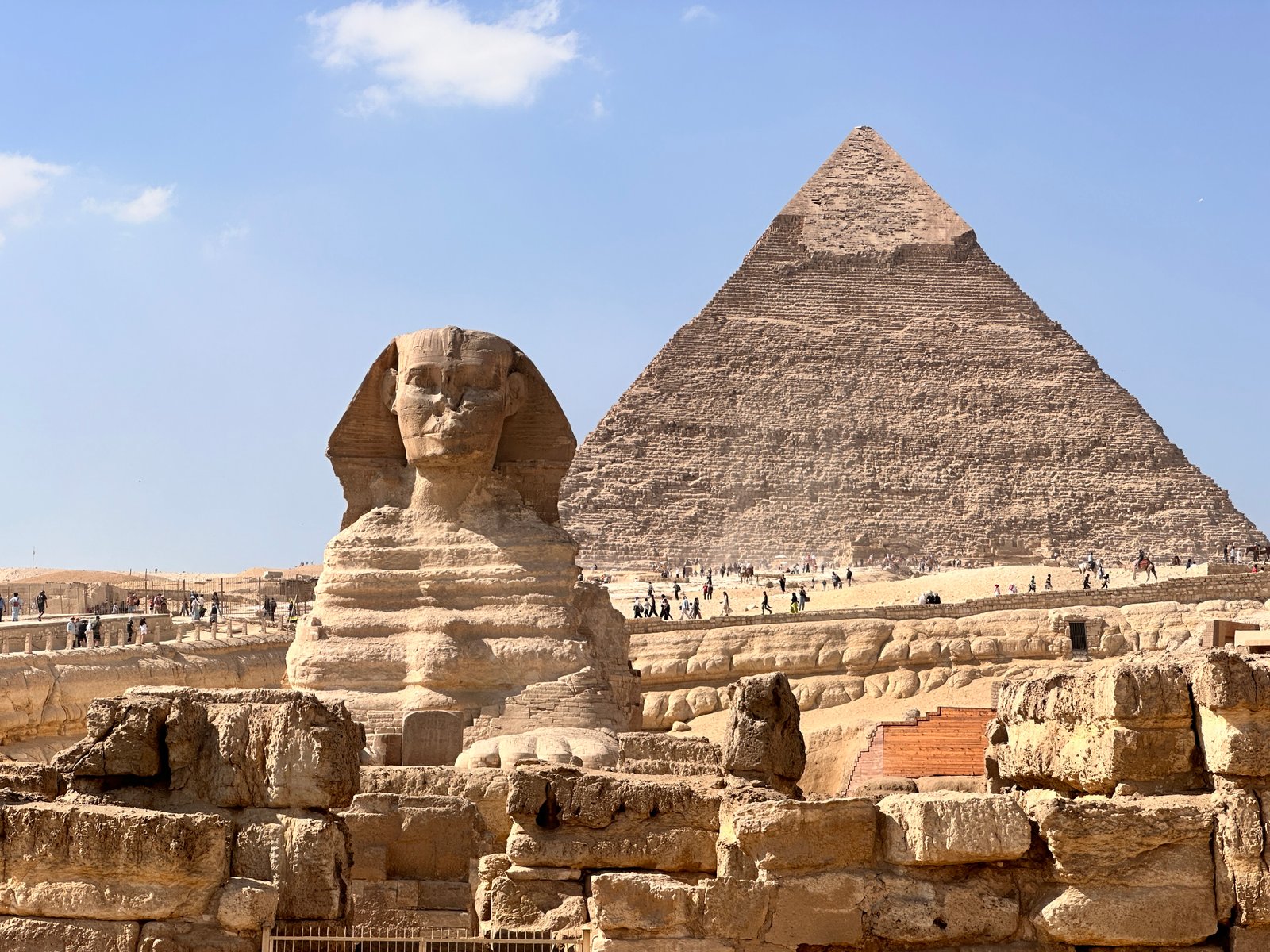
The Pyramid of Khafre: Known for its intact limestone casing at the top, Khafre’s pyramid is slightly smaller than Khufu’s but equally impressive. Its proximity to the Great Sphinx makes it a must-see.
The Great Sphinx: This enigmatic limestone statue with the body of a lion and the head of a pharaoh (believed to represent Khafre) is one of the most photographed landmarks in Egypt. Its sheer size and mysterious aura make it a highlight of any visit.
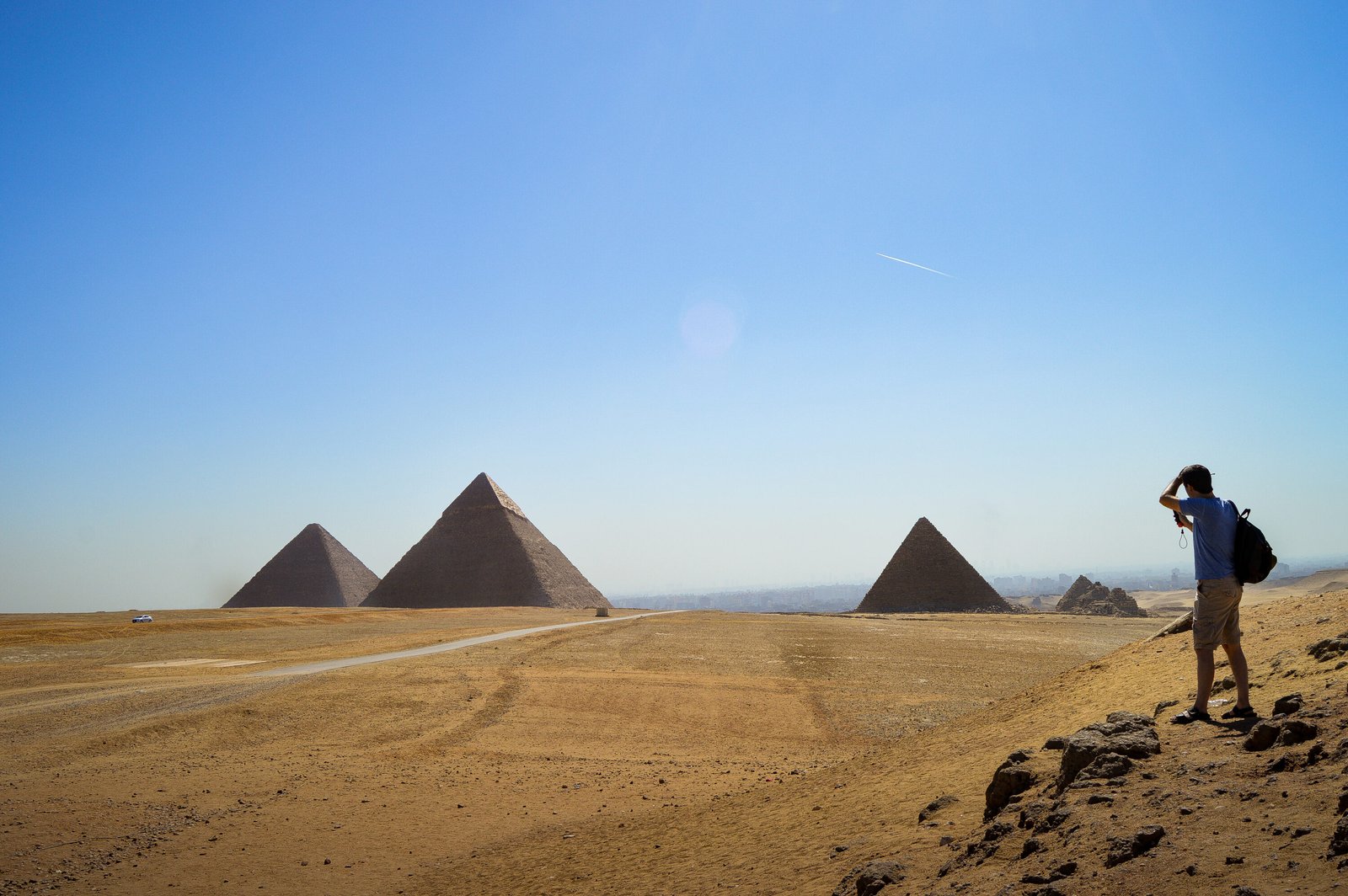
Panoramic Views: The Giza Plateau offers stunning panoramic views of all three pyramids. This is the perfect spot for photography and soaking in the majesty of the site.
Camel and Horse Rides: For a quintessential Egyptian experience, you can take a camel or horse ride around the pyramids. Just be sure to negotiate the price beforehand.
Practical Tips for Visiting the Pyramids of Giza
After guiding and revisiting Giza over the years, these are the practical things I find make the biggest difference for travelers:
1. Plan Your Visit Wisely
- Best Time to Visit: The cooler months (October to April) are ideal for visiting, as the summer heat can be intense. Aim to arrive early in the morning to avoid crowds and enjoy the site in relative tranquility.
- Tickets: Purchase your tickets at the main entrance. There are different ticket options depending on whether you want to enter the pyramids themselves.
2. Dress Comfortably
- Wear lightweight, breathable clothing and comfortable walking shoes. A hat, sunglasses, and sunscreen are essential to protect yourself from the sun.
- Bring a scarf or shawl to cover your shoulders if visiting other religious or cultural sites during your trip.
3. Stay Hydrated
- Carry plenty of water with you, especially if you’re visiting during warmer months. There are sometimes vendors on-site, but prices can be higher.
4. Be Prepared for the Terrain
- The Giza Plateau is sandy, rocky, and uneven, so sturdy footwear is a must. If you plan to climb into the pyramids, be ready for steep, hot, and confined spaces.
5. Respect Local Customs
- Be mindful of local customs and traditions. Avoid climbing on the pyramids, as this is both illegal and disrespectful to the site’s historical significance.
6. Beware of Scams
- While the locals are generally friendly and welcoming, be cautious of overly persistent vendors and guides. Agree on prices for services like camel rides or souvenirs before committing.
7. Hire a Knowledgeable Guide
- A licensed guide can enrich your experience by sharing the history, archaeology, and cultural significance of the pyramids. They can also help you navigate the site and avoid common tourist pitfalls.
8. Capture the Moment
- Don’t forget your camera or smartphone to capture the breathtaking views. Early morning or late afternoon provides the best lighting for photos.
Enhancing Your Experience
If you have extra time, consider extending your visit to include nearby attractions:
- The Grand Egyptian Museum: Located near the Great Pyramid, this museum houses some of the most incredible collections of Ancient Egypt on the planet.
- Saqqara and Dahshur: A short drive from Giza, these sites feature earlier pyramid designs, including the Step Pyramid of Djoser and the Bent Pyramid.
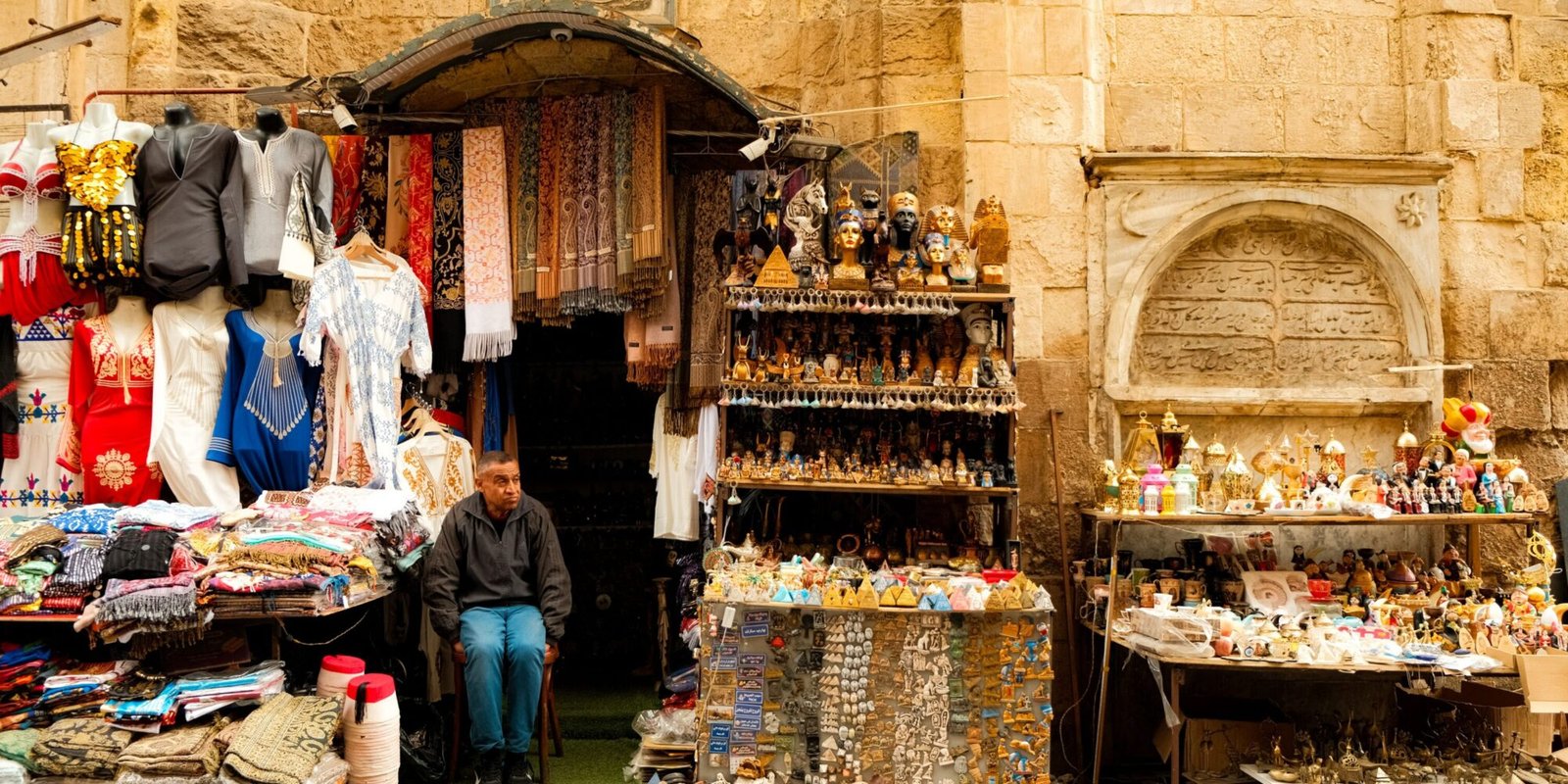
- Khan el-Khalili Bazaar: After your visit, head to Cairo’s bustling market for souvenirs, spices, and authentic Egyptian cuisine.
A Journey Through Time
Visiting the Pyramids of Giza is more than just a sightseeing trip—it’s a journey through time that connects you with one of the greatest civilizations in human history. As you stand before these ancient wonders, you’ll gain a deeper appreciation for the ingenuity, artistry, and history of the people who built them.
Whether you’re marveling at the Great Pyramid, standing in front of the Sphinx, or looking back across the plateau from the panoramic viewpoint, Giza is one of those places I never get tired of seeing through a traveler’s eyes. Even after repeated visits, there is always some detail, angle, or moment that makes the site feel new again.
If you are planning your own visit, my biggest advice is simple: give Giza enough time to be more than a photo stop. Slow down, look closely, and let the scale and history of the place settle in.
To place Giza within the wider development of Egypt’s pyramid age, see The Step Pyramid of Djoser at Saqqara. If you are planning a broader biblical-history itinerary, our Biblical Egypt Travel Guide brings together the major sites and themes.